Navigating Commercial Property Leasing in Colorado's Top Markets
Essential strategies for securing the right commercial space in Greenwood Village, Denver, and Fort Collins.

Introduction: Understanding the Colorado Commercial Leasing Landscape
Colorado's commercial real estate market has experienced significant growth and transformation, making it an attractive destination for businesses of all sizes. The state's thriving economy, skilled workforce, and business-friendly environment have created diverse opportunities for companies seeking commercial space. However, navigating the leasing landscape requires a strategic approach and understanding of regional market dynamics.
Whether you're a startup looking to establish your first office or an established company seeking to expand, Colorado offers compelling options. The three primary markets—Denver, Greenwood Village, and Fort Collins—each present unique advantages and considerations. Understanding these markets is crucial for making informed decisions that align with your business goals and budget.
Key Differences Between Denver, Greenwood Village, and Fort Collins Markets
Denver: The Urban Hub
Denver remains Colorado's largest commercial real estate market, characterized by its vibrant downtown core and diverse neighborhoods. The city offers:
- Diverse Property Options: From historic loft conversions to modern high-rise office buildings, Denver provides varied architectural styles and amenities.
- Competitive Pricing: While premium downtown locations command higher rates, surrounding neighborhoods offer more affordable alternatives without sacrificing accessibility.
- Strong Tenant Base: The city attracts major corporations, tech startups, and creative agencies, fostering a dynamic business community.
- Transportation Infrastructure: Excellent public transit, major highways, and Denver International Airport proximity make it ideal for businesses requiring frequent travel.
Denver's market is ideal for companies seeking visibility, networking opportunities, and access to a large talent pool. However, competition for premium spaces can be intense, and lease rates reflect the city's popularity.
Greenwood Village: The Suburban Professional Center
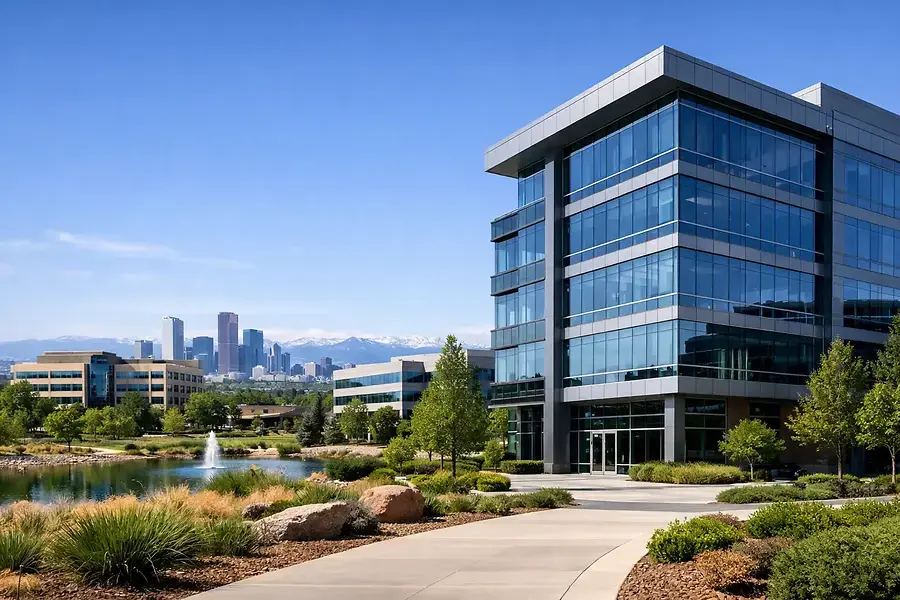
Located south of Denver, Greenwood Village has emerged as a premier suburban commercial destination. This market distinguishes itself through:
- Corporate-Friendly Environment: Home to numerous Fortune 500 companies and professional services firms, Greenwood Village offers a polished, corporate atmosphere.
- Modern Infrastructure: The area features newer construction, state-of-the-art facilities, and well-maintained business parks.
- Accessibility: Strategic location near major highways and Denver Tech Center provides excellent connectivity without downtown congestion.
- Premium Amenities: High-quality office spaces often include on-site dining, fitness centers, and collaborative work environments.
Greenwood Village appeals to established businesses and corporations prioritizing professional image and operational efficiency. Lease rates are typically higher than Denver's neighborhoods but reflect the premium facilities and corporate environment.
Fort Collins: The Growing Northern Market
Fort Collins represents Colorado's fastest-growing commercial market, offering distinct advantages for forward-thinking businesses:
- Emerging Tech Hub: The city has developed a strong technology and innovation sector, attracting startups and established tech companies.
- Affordable Rates: Compared to Denver and Greenwood Village, Fort Collins offers competitive lease rates with modern facilities.
- Quality of Life: The city's reputation for excellent schools, outdoor recreation, and community engagement attracts talented employees.
- Growth Potential: Rapid population growth and business expansion create opportunities for companies seeking to establish early presence in emerging markets.
Fort Collins is particularly attractive for companies seeking growth potential, cost efficiency, and access to a young, educated workforce. The market offers excellent value for businesses willing to invest in a developing market.
Critical Factors When Evaluating Commercial Properties for Your Business
Location and Accessibility
Proximity to your target market and employees is paramount. Consider foot traffic patterns, parking availability, public transportation access, and proximity to highways. A location that's convenient for your employees and clients can significantly impact productivity and business success.
Space Requirements and Layout
Evaluate your current and projected space needs for the next three to five years. Consider:
- Open floor plans versus private offices
- Meeting room and collaboration space availability
- Storage and equipment requirements
- Flexibility for future growth or reconfiguration
Lease Terms and Financial Considerations
Carefully review lease agreements including base rent, operating expenses, common area maintenance (CAM) charges, and renewal options. Negotiate terms that provide flexibility and protect your business interests. Consider:
- Lease duration and renewal options
- Rent escalation clauses
- Tenant improvement allowances
- Early termination provisions
Building Amenities and Services
Modern commercial properties offer various amenities that enhance employee satisfaction and operational efficiency. Evaluate available services such as:
- HVAC and climate control systems
- High-speed internet and technology infrastructure
- Security systems and building access
- Parking facilities
- Fitness centers and wellness programs
- On-site dining options
Market Conditions and Future Growth
Research the neighborhood's development plans, demographic trends, and economic indicators. Understanding market trajectory helps ensure your location remains competitive and valuable throughout your lease term. Consult with local commercial real estate professionals who can provide insights into market trends and future opportunities.
Landlord Reputation and Support
The landlord-tenant relationship significantly impacts your business experience. Research the property owner's reputation, responsiveness to maintenance requests, and track record with existing tenants. A supportive landlord can be invaluable when addressing operational challenges.
Conclusion: Making Informed Decisions in Colorado's Competitive Commercial Real Estate Market
Securing the right commercial space in Colorado requires careful analysis, strategic planning, and understanding of regional market dynamics. Whether you choose Denver's urban energy, Greenwood Village's corporate sophistication, or Fort Collins' growth potential, success depends on aligning your space selection with your business objectives.
Key takeaways for your commercial leasing journey:
- Understand each market's unique characteristics and advantages
- Evaluate properties based on your specific business needs
- Negotiate lease terms that provide flexibility and protection
- Consider long-term market trends and growth potential
- Work with experienced commercial real estate professionals
By approaching the commercial leasing process strategically and thoroughly evaluating your options, you'll position your business for success in Colorado's dynamic and competitive real estate market. Take time to explore each market, ask detailed questions, and make decisions based on comprehensive analysis rather than initial impressions.


