Navigating Commercial Zoning Laws in Owensboro and Henderson
Essential regulations and compliance strategies for commercial property investors in Kentucky's Twin Cities.

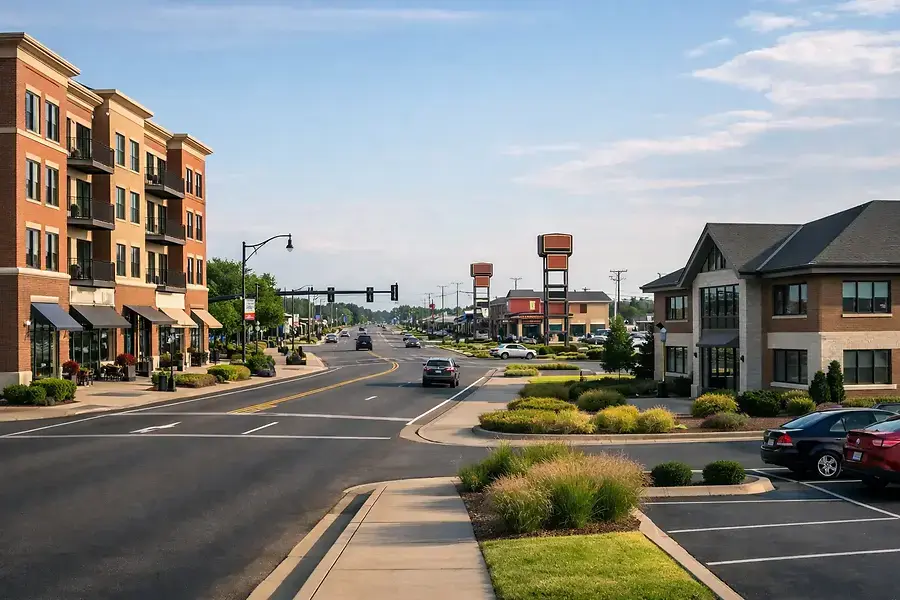
Why Zoning Matters for Commercial Real Estate Success
Commercial zoning laws are the backbone of successful real estate investments. Whether you're planning to open a retail storefront, establish an office complex, or develop an industrial facility in Owensboro or Henderson, understanding local zoning regulations is critical. Zoning laws dictate what types of businesses can operate in specific areas, building heights, setback requirements, parking provisions, and land use restrictions. Ignoring these regulations can result in costly fines, project delays, or even forced closure of your business.
For investors and business owners in Kentucky's Twin Cities, zoning compliance isn't just a legal requirement—it's a strategic advantage. Properties in properly zoned areas typically appreciate faster and attract more reliable tenants. By mastering zoning requirements early, you position yourself for long-term success and avoid expensive legal battles.
Understanding Owensboro's Commercial Zoning Districts and Requirements
Primary Commercial Zoning Categories
Owensboro's zoning framework includes several commercial districts designed to support different business types. The city uses a comprehensive zoning code that categorizes commercial properties into distinct zones:
- Central Business District (CBD): The heart of downtown Owensboro, featuring mixed-use development with retail, office, and residential components
- General Commercial (C-2): Allows a wide range of retail and service businesses, typically located along major corridors
- Highway Commercial (C-3): Designed for businesses that benefit from high visibility and traffic, such as hotels, restaurants, and automotive services
- Office and Professional (O-P): Restricted to professional offices, medical facilities, and administrative centers
Key Compliance Requirements
Owensboro requires commercial property owners to adhere to specific standards including minimum lot sizes, building setbacks, parking ratios, and signage limitations. Most commercial zones require one parking space per 250-300 square feet of retail space. Additionally, Owensboro enforces strict architectural guidelines in the downtown CBD to maintain the city's historic character while encouraging modern development.
Before purchasing or developing commercial property in Owensboro, obtain a zoning verification letter from the Planning and Zoning Department. This document confirms the property's current zoning classification and permitted uses.
Henderson's Zoning Regulations and How They Differ from Owensboro
Henderson's Unique Zoning Structure
Henderson operates under a slightly different zoning framework that reflects its distinct economic and geographic characteristics. The city's commercial zones include:
- Downtown Commercial (DTC): Similar to Owensboro's CBD, promoting mixed-use development and urban revitalization
- Community Commercial (CC): Serving neighborhood-level retail and services
- Regional Commercial (RC): Accommodating larger retail operations and regional shopping centers
- Business Park (BP): Designated for light industrial, warehousing, and office parks
Key Differences from Owensboro
Henderson's zoning code places greater emphasis on environmental protection and flood plain management, given the city's proximity to the Ohio River. The city also has more flexible parking requirements in downtown areas, encouraging walkability and reducing development costs. Henderson's sign ordinances are slightly more permissive than Owensboro's, allowing larger signage in commercial zones.
Henderson requires conditional use permits for certain commercial activities, such as entertainment venues or adult-oriented businesses. Understanding these distinctions is crucial when comparing investment opportunities between the two cities.
Practical Steps for Navigating Zoning Compliance and Avoiding Common Pitfalls
Step 1: Conduct Thorough Due Diligence
Before committing to any commercial property purchase, verify the zoning classification and review the zoning ordinance for that specific district. Contact the local planning department directly—don't rely solely on real estate listings or seller representations. Request a zoning verification letter and review any restrictions on your intended use.
Step 2: Understand Permitted vs. Conditional Uses
Most zoning codes distinguish between permitted uses (allowed by right) and conditional uses (requiring special approval). A permitted use requires only standard building permits, while conditional uses demand a public hearing and approval from the planning commission. Budget additional time and legal fees if your business requires conditional use approval.
Step 3: Plan for Parking and Access Requirements
Both Owensboro and Henderson enforce strict parking standards. Calculate your required parking spaces early in the planning process. If your property cannot accommodate required parking, you may need to seek a variance or locate alternative parking arrangements. This can significantly impact your project timeline and budget.
Step 4: Engage Local Professionals
Hire a local real estate attorney and planning consultant familiar with both cities' zoning codes. These professionals can identify potential issues, guide you through the approval process, and represent your interests at planning commission meetings. The investment in expert guidance typically pays for itself by preventing costly mistakes.
Common Pitfalls to Avoid
- Assuming zoning compatibility: Never assume your intended use is permitted without official verification
- Underestimating approval timelines: Conditional use approvals can take 2-4 months or longer
- Ignoring neighboring properties: Zoning conflicts with adjacent properties can trigger opposition and delays
- Overlooking future zoning changes: Review the city's comprehensive plan to anticipate potential zoning amendments
Partnering with Local Experts for Zoning Confidence
Successfully navigating commercial zoning in Owensboro and Henderson requires local expertise and strategic planning. The cities' planning departments are valuable resources—don't hesitate to schedule pre-application meetings to discuss your project before investing significant capital.
Consider joining local business associations and real estate investment groups. These networks provide insights into zoning trends, upcoming changes, and lessons learned from other investors. Building relationships with planning commissioners and city staff can also facilitate smoother approval processes.
The bottom line: Commercial zoning compliance is not an obstacle—it's an opportunity to make informed investment decisions. By understanding the regulations, conducting thorough due diligence, and partnering with local experts, you can confidently develop successful commercial properties in Kentucky's Twin Cities. Your commitment to zoning compliance today ensures profitable, sustainable projects tomorrow.