Navigating Dallas Home Inspections: What Buyers Need to Know
Learn the essential steps to protect your investment and avoid costly surprises during the home inspection process.

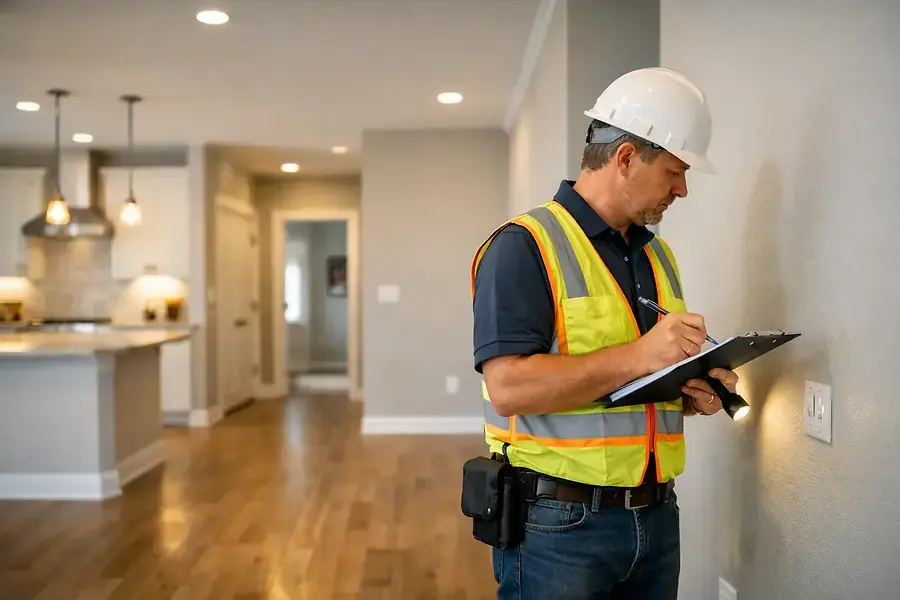
Why Home Inspections Matter in Dallas Real Estate
Purchasing a home is one of the most significant financial decisions you'll make in your lifetime. In the Dallas real estate market, where properties range from historic homes to modern developments, a professional home inspection is your first line of defense against costly surprises. A thorough inspection can reveal hidden structural issues, outdated systems, and maintenance problems that could cost thousands of dollars to repair.
Home inspections serve as an objective assessment of a property's condition, providing you with detailed information about everything from the foundation to the roof. This knowledge empowers you to make informed decisions, negotiate repairs or credits with sellers, and plan for future maintenance expenses.
Understanding the Dallas Home Inspection Process: What to Expect
The Pre-Inspection Preparation
Before your inspector arrives, ensure you have access to all areas of the home, including the attic, basement, and crawl spaces. Provide the inspector with any documentation about previous repairs, renovations, or maintenance work. This information helps them understand the property's history and identify potential recurring issues.
The Inspection Walkthrough
A comprehensive home inspection typically takes 2-4 hours and covers multiple systems and components:
- Structural elements: Foundation, walls, and framing
- Roofing: Condition, age, and potential leaks
- HVAC systems: Heating, cooling, and ventilation
- Plumbing: Water pressure, drainage, and pipe conditions
- Electrical systems: Panel, wiring, and outlets
- Appliances: Functionality and remaining lifespan
- Insulation and ventilation: Energy efficiency factors
- Windows and doors: Seals, locks, and operation
As the buyer, you have the right to accompany the inspector throughout the process. This is an excellent opportunity to ask questions and gain a deeper understanding of the property's condition.
The Inspection Report
Within 24-48 hours of the inspection, you'll receive a detailed report documenting all findings. The report typically categorizes issues by severity—from minor cosmetic concerns to major structural problems requiring immediate attention. Understanding this report is crucial for your next steps in the buying process.
Common Issues Found in Dallas Homes and How to Address Them
Foundation and Structural Concerns
Dallas's clay-heavy soil can cause foundation settling and cracking over time. Look for: visible cracks in the foundation, uneven floors, or doors that don't close properly. Minor cracks may be cosmetic, but significant structural issues require a specialist's evaluation and could impact your financing approval.
Roof and Water Damage
The Texas heat and occasional severe weather can take a toll on roofing materials. Common issues include missing shingles, deteriorated flashing, and inadequate ventilation. Pro tip: Ask about the roof's age—most roofs last 15-25 years. If replacement is imminent, negotiate a credit from the seller or factor this into your offer.
HVAC System Efficiency
Dallas summers are scorching, making air conditioning systems critical. Inspectors will check for proper operation, age, and maintenance history. An aging or inefficient system may need replacement within a few years, so budget accordingly.
Plumbing Issues
Older Dallas homes may have outdated plumbing materials like galvanized pipes or polybutylene, which can corrode and fail. Water pressure problems and slow drains are also common. These issues can range from simple fixes to requiring complete system replacement.
Electrical System Problems
Outdated electrical panels, insufficient outlets, or improper grounding can pose safety hazards. Ensure the home meets current electrical codes, especially if you plan renovations or upgrades.
Pest and Moisture Concerns
Texas's warm, humid climate creates ideal conditions for termites, wood-boring insects, and mold growth. The inspector will look for signs of infestation or moisture damage. Don't ignore these findings—they can compromise structural integrity and pose health risks.
Making Informed Decisions With Inspection Results
Negotiating Repairs and Credits
Once you receive the inspection report, you have several options:
- Request repairs: Ask the seller to fix major issues before closing
- Negotiate credits: Receive a credit to handle repairs yourself
- Request price reduction: Lower the offer based on repair costs
- Walk away: If issues are too severe or costly
Work with your real estate agent to determine which approach makes financial sense for your situation.
Planning for Future Maintenance
Even minor issues identified in the inspection should be documented for future reference. Create a maintenance schedule based on the inspector's recommendations to prevent small problems from becoming expensive repairs.
Obtaining Additional Inspections
For significant concerns, consider hiring specialists:
- Structural engineers for foundation issues
- Pest control experts for termite or insect damage
- Mold specialists for moisture problems
- Electricians for electrical system concerns
These specialized inspections provide detailed assessments and repair estimates, strengthening your negotiating position.
Conclusion: Protecting Your Dallas Home Investment
A professional home inspection is an investment in your peace of mind and financial security. By understanding the inspection process, recognizing common Dallas-area issues, and knowing how to respond to findings, you're equipped to make confident decisions about your home purchase.
Remember:
A thorough inspection today can save you thousands in unexpected repairs tomorrow.Don't rush this critical step. Take time to review the report, ask questions, and consult with professionals when needed. Your dream Dallas home awaits—make sure it's built on a solid foundation.


