Navigating Dual-Purpose Properties Across Central New Hampshire
Smart strategies for identifying and investing in properties with residential and commercial potential in NH's most dynamic markets.

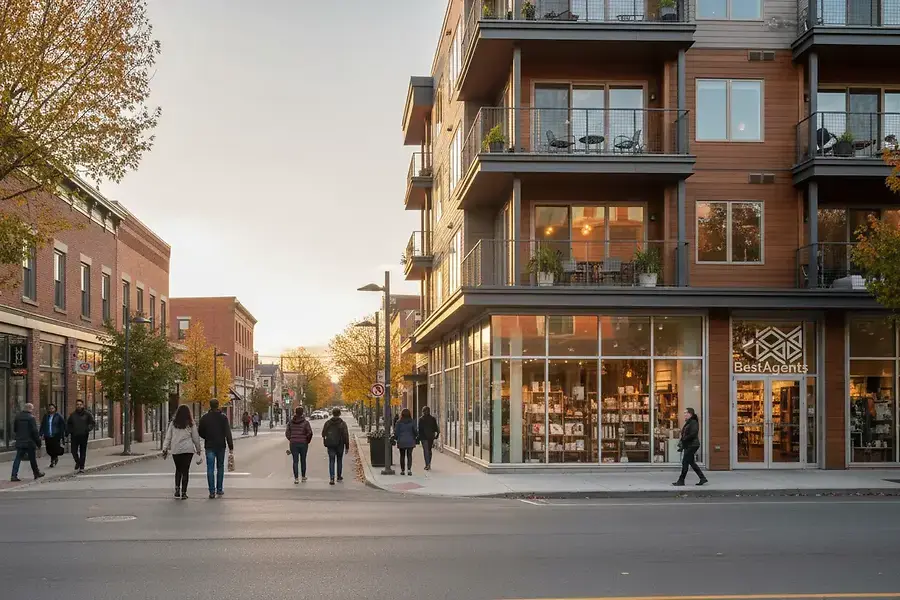
Understanding Residential-Commercial Hybrid Properties in Central New Hampshire
Dual-purpose properties represent a unique investment opportunity in Central New Hampshire, combining the stability of residential income with the growth potential of commercial ventures. These hybrid properties allow investors to generate revenue from multiple sources while maintaining a single, manageable asset.
A residential-commercial property typically features living quarters alongside retail, office, or service-based businesses. This configuration has become increasingly attractive as entrepreneurs seek affordable ways to launch ventures while maintaining a home base. In Central New Hampshire, where communities are experiencing steady growth and revitalization, these properties offer compelling advantages.
Why Dual-Purpose Properties Matter
The appeal of mixed-use properties extends beyond simple economics. These investments provide:
- Diversified Income Streams: Residential rent and commercial lease payments reduce dependency on a single revenue source
- Tax Advantages: Business-related deductions can offset residential income, improving overall returns
- Flexibility: Owners can adjust the residential-commercial balance based on market conditions
- Community Integration: Mixed-use properties strengthen local neighborhoods by supporting local businesses
Key Locations for Mixed-Use Investment: From Laconia to Concord
Central New Hampshire offers several prime locations for dual-purpose property investments, each with distinct advantages and market characteristics.
Laconia: The Gateway Hub
Laconia serves as a regional commercial center with strong tourism infrastructure. Properties here benefit from seasonal visitors and year-round residents seeking services. The downtown revitalization efforts have created excellent opportunities for mixed-use developments, particularly properties combining retail or hospitality with residential units above.
Concord: The Capital Advantage
As New Hampshire's capital, Concord offers stability through government employment and institutional presence. Properties near downtown Concord attract professionals seeking convenient residential-commercial combinations. The city's ongoing downtown development initiatives continue to enhance property values and rental potential.
Meredith and Surrounding Towns
The Lakes Region communities present opportunities for properties catering to both permanent residents and seasonal visitors. Dual-purpose properties here can capitalize on tourism while serving local business needs. Waterfront and near-waterfront locations command premium prices and attract quality tenants.
Emerging Markets
Smaller communities throughout Central New Hampshire are experiencing growth as remote work increases property demand. Early investors in these emerging markets often find better pricing and less competition than in established centers.
Financial and Zoning Considerations for Dual-Purpose Properties
Success with mixed-use properties requires careful attention to both financial and regulatory factors.
Zoning and Regulatory Compliance
Before pursuing any dual-purpose property, thoroughly investigate local zoning ordinances. Central New Hampshire municipalities have varying regulations regarding mixed-use developments:
- Some areas explicitly permit residential-commercial combinations in specific zones
- Others require special permits or variances for mixed-use properties
- Certain municipalities have recently updated zoning to encourage mixed-use development
- Historic districts may have additional restrictions or requirements
Critical Step: Consult with local planning departments and zoning boards before making offers. A property that appears perfect may face regulatory obstacles that significantly impact its viability.
Financing Dual-Purpose Properties
Lenders view mixed-use properties differently than standard residential or commercial properties. Key financing considerations include:
- Loan Classification: Properties are typically classified as commercial loans, which may require larger down payments (20-25%) compared to residential mortgages
- Income Documentation: Lenders will scrutinize both residential and commercial income projections
- Appraisal Complexity: Appraisers must evaluate both residential and commercial components, requiring specialized expertise
- Interest Rates: Commercial rates may be higher than residential rates, affecting overall investment returns
Work with lenders experienced in mixed-use properties. They understand the unique cash flow dynamics and can structure loans appropriately for your situation.
Insurance and Liability
Dual-purpose properties require comprehensive insurance covering both residential and commercial aspects. Standard homeowner's policies won't suffice. Budget for specialized commercial general liability coverage that protects against risks associated with business operations on your property.
Making Your Move: Finding the Right Residential-Commercial Property for Your Goals
Identifying and acquiring the right dual-purpose property requires a strategic approach.
Define Your Investment Objectives
Before searching, clarify your goals:
- Are you seeking primary income from residential or commercial operations?
- What type of business aligns with your expertise and interests?
- How much capital can you invest upfront?
- What timeline are you considering for returns?
Clear objectives guide your search and help you evaluate opportunities objectively.
Work with Specialized Real Estate Professionals
Partner with agents and advisors who understand Central New Hampshire's mixed-use market. They can identify properties before they hit mainstream listings and provide insights into local market trends, zoning changes, and emerging opportunities.
Conduct Thorough Due Diligence
Due diligence separates successful investors from those who encounter costly surprises. Investigate property history, existing tenant agreements, building condition, and future development plans in the area.
Essential due diligence steps include:
- Obtaining detailed property inspections covering both residential and commercial systems
- Reviewing existing lease agreements and tenant quality
- Analyzing comparable property sales and rental rates
- Verifying zoning compliance and obtaining written confirmation from municipal authorities
- Assessing environmental factors and potential liabilities
Calculate True Investment Returns
Develop detailed financial projections accounting for:
- Residential rental income and vacancy rates
- Commercial lease income and tenant turnover
- Operating expenses, maintenance, and property management
- Property taxes and insurance costs
- Potential capital improvements and upgrades
Conservative projections help ensure your investment remains profitable even if market conditions shift.
Consider Your Management Capacity
Managing dual-purpose properties requires attention to both residential and commercial tenant needs. Evaluate whether you'll manage the property yourself or hire professional management. Professional management adds costs but provides expertise and reduces your time commitment.
Conclusion
Dual-purpose properties in Central New Hampshire present compelling investment opportunities for those willing to navigate their complexities. By understanding the unique characteristics of mixed-use properties, identifying prime locations, addressing financial and zoning considerations, and conducting thorough due diligence, you can position yourself for success in this dynamic market segment.
The key to success lies in careful planning, professional guidance, and realistic financial projections. With these elements in place, residential-commercial properties can provide the diversified income and long-term appreciation that make them attractive to sophisticated investors throughout Central New Hampshire.


