Navigating Dual-Purpose Properties in Philadelphia and Warrington
How residential-commercial mixed-use properties offer flexibility and investment potential for savvy property owners.

Understanding Residential-Commercial Properties: Definitions and Benefits
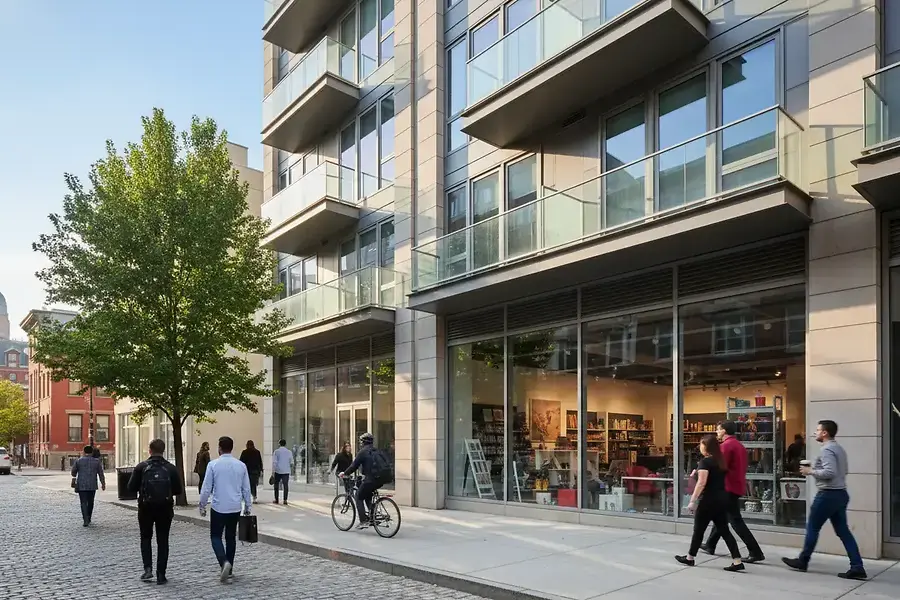
Dual-purpose properties, also known as mixed-use properties, combine residential and commercial spaces under one roof. These versatile buildings might feature a retail storefront or office space on the ground floor with apartments or condominiums above, or they could include a home office suite integrated into a residential property. This hybrid approach to real estate has become increasingly popular among property owners seeking flexibility and diversified income streams.
The benefits of owning a residential-commercial property are substantial. Income diversification stands as the primary advantage—you can generate revenue from both residential tenants and commercial lessees simultaneously. This dual income approach provides a financial cushion if one sector experiences a temporary downturn. Additionally, these properties often appreciate faster than single-use residential homes, as they offer more utility and appeal to a broader range of investors.
Another significant benefit is operational efficiency. Managing one property with multiple revenue streams is often more cost-effective than maintaining separate residential and commercial properties. You consolidate maintenance, utilities, and management responsibilities, reducing overhead expenses and simplifying your property management duties.
Market Opportunities in Philadelphia and Warrington for Mixed-Use Investments
Philadelphia and Warrington present exceptional opportunities for mixed-use property investments. Philadelphia, with its vibrant neighborhoods and thriving business districts, has seen renewed interest in adaptive reuse projects and mixed-use developments. The city's historic architecture combined with modern revitalization efforts creates ideal conditions for residential-commercial properties.
Philadelphia's Market Advantages
- Urban Growth: Neighborhoods like Fishtown, Kensington, and Northern Liberties are experiencing rapid development and increased foot traffic
- Diverse Demographics: A young, educated population supports both residential demand and commercial ventures
- Transportation Hub: Excellent public transportation makes these properties accessible to both residents and customers
- Cultural Appeal: The city's rich history and cultural attractions draw both residents and tourists, benefiting ground-floor retail or hospitality businesses
Warrington's Market Advantages
Warrington offers a slightly different appeal, attracting investors seeking suburban stability with commercial potential. Located in Bucks County, this area provides:
- Suburban Convenience: A quieter setting than Philadelphia while maintaining proximity to major employment centers
- Growing Commercial Corridors: Established business districts support office spaces and service-oriented commercial tenants
- Family-Friendly Environment: Attracts residential tenants seeking safe neighborhoods with good schools
- Lower Entry Costs: Generally more affordable than Philadelphia properties while offering solid appreciation potential
Both markets show strong rental demand and commercial leasing activity, making them ideal for investors looking to maximize returns on mixed-use properties.
Key Considerations Before Purchasing a Dual-Purpose Property
Before investing in a residential-commercial property, thorough due diligence is essential. Several critical factors deserve your attention:
Zoning and Legal Compliance
Zoning regulations are paramount. Not all properties are legally zoned for mixed-use development. You must verify that the property's current zoning permits both residential and commercial activities. Consult with local zoning boards in Philadelphia or Warrington to understand any restrictions, required permits, or potential changes to zoning laws that could affect your investment.
Financing Challenges
Securing financing for mixed-use properties can be more complex than traditional residential mortgages. Lenders often view these properties as higher risk due to their specialized nature. You may need to work with commercial lenders or specialized mortgage brokers who understand mixed-use properties. Prepare detailed financial projections showing income from both residential and commercial tenants to strengthen your loan application.
Tenant Management Complexity
Managing both residential and commercial tenants requires different expertise. Residential tenants have different needs and legal protections than commercial lessees. You'll need to understand both residential and commercial lease agreements, eviction procedures, and tenant rights. Consider whether you'll self-manage or hire a property management company experienced in mixed-use properties.
Maintenance and Operational Costs
Mixed-use properties often have higher maintenance requirements than single-use buildings. You'll need to maintain common areas, handle different utility systems, and manage wear and tear from both residential and commercial activities. Budget generously for maintenance and reserve funds for unexpected repairs.
Market Research and Due Diligence
- Analyze the commercial tenant market in your target area
- Review comparable property sales and rental rates
- Assess foot traffic and commercial viability of the location
- Evaluate the residential rental market and tenant demand
- Investigate the property's history and any code violations
Getting Started: Your Residential-Commercial Journey
Ready to explore mixed-use property ownership? Follow these actionable steps:
Step 1: Educate Yourself
Read extensively about mixed-use properties, attend real estate investment seminars, and connect with other mixed-use property owners. Understanding the market dynamics and common pitfalls will inform your investment decisions.
Step 2: Assemble Your Team
Build a professional team including a real estate agent experienced in mixed-use properties, a commercial real estate attorney, a property inspector familiar with dual-purpose buildings, and a commercial lender. These professionals will guide you through the complexities of mixed-use property transactions.
Step 3: Identify Target Markets
Focus your search on specific neighborhoods in Philadelphia or Warrington that align with your investment goals. Research growth trends, demographic data, and commercial activity in these areas.
Step 4: Conduct Thorough Due Diligence
When you find a promising property, invest time in comprehensive analysis. Verify zoning compliance, review all leases, inspect the property thoroughly, and analyze financial projections. Don't rush this process—it's the foundation of a successful investment.
Step 5: Negotiate Strategically
Use your research and professional team's insights to negotiate favorable terms. Consider the property's condition, tenant quality, lease terms, and market conditions when making your offer.
Mixed-use properties represent a sophisticated investment strategy that rewards thorough preparation and strategic thinking. By understanding the market, conducting diligent research, and assembling the right team, you can unlock significant financial potential in Philadelphia and Warrington's dynamic real estate markets.
The journey into residential-commercial property ownership is challenging but rewarding. With careful planning and expert guidance, you can build a profitable, diversified real estate portfolio that generates income from multiple sources while contributing to vibrant, mixed-use communities.


