Navigating Dual-Use Properties: Residential-Commercial Opportunities
Discover how property owners in Brooklyn, Flushing, and Staten Island are maximizing returns with mixed-use real estate investments.

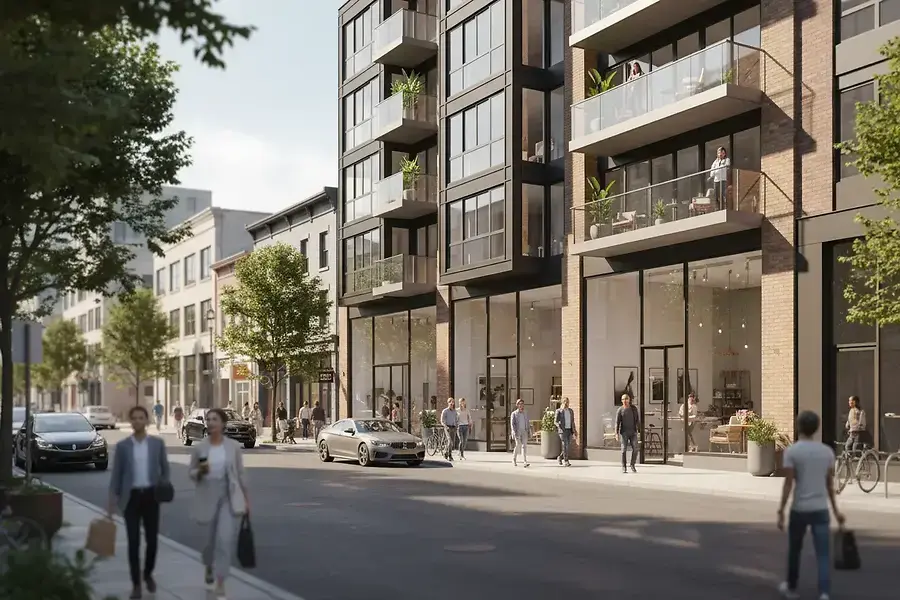
Understanding Residential-Commercial Properties: What They Are and Why They Matter
Dual-use properties, also known as mixed-use real estate, combine residential and commercial spaces within a single building or property. These innovative properties allow property owners to generate income from multiple sources simultaneously, creating a diversified revenue stream that traditional single-use properties cannot match.
A typical residential-commercial property might feature ground-floor retail or office space with residential apartments above, or a single building with a home office and rental units. This hybrid approach has become increasingly popular among savvy investors who recognize the potential for enhanced profitability and reduced vacancy risk.
Why Dual-Use Properties Matter Today
In today's evolving real estate landscape, dual-use properties address a critical market need. As remote work becomes more prevalent and small businesses seek affordable spaces, the demand for flexible, mixed-use properties has skyrocketed. Property owners benefit from:
- Multiple income streams from residential and commercial tenants
- Greater flexibility in adapting to market changes
- Reduced financial risk through diversified revenue sources
- Increased property value and investment appeal
Market Trends: Demand for Dual-Use Properties Across Brooklyn, Flushing, and Staten Island
The New York City real estate market is experiencing a significant shift toward mixed-use properties, with Brooklyn, Flushing, and Staten Island emerging as hotspots for dual-use investments.
Brooklyn's Mixed-Use Renaissance
Brooklyn has transformed into a thriving hub for residential-commercial properties. Neighborhoods like Williamsburg, Park Slope, and DUMBO have seen explosive growth in demand for spaces that combine living quarters with retail, restaurants, and creative studios. Property owners in these areas report higher occupancy rates and premium rental prices compared to single-use properties.
Flushing's Emerging Opportunity
Flushing presents an exciting frontier for dual-use investments. As the neighborhood continues its revitalization, there's growing demand for mixed-use developments that cater to both residential and commercial needs. The area's diverse population and thriving business community create ideal conditions for properties that serve multiple purposes.
Staten Island's Untapped Potential
Staten Island remains an undervalued market with significant growth potential. Property owners who invest in dual-use properties here can capitalize on lower acquisition costs while positioning themselves for substantial appreciation as the borough continues to develop. The combination of residential demand and emerging commercial opportunities makes this an attractive investment frontier.
Financial Benefits and Income Potential of Residential-Commercial Investments
The financial advantages of dual-use properties extend far beyond simple rent collection. Let's explore the concrete benefits that make these investments so compelling.
Multiple Revenue Streams
The most obvious benefit is income diversification. Rather than relying on a single tenant or tenant type, dual-use properties generate revenue from both residential and commercial sources. This means:
- Residential units provide stable, long-term rental income
- Commercial spaces often command higher per-square-foot rates
- Different lease terms allow for flexible cash flow management
- Reduced impact if one tenant vacates
Enhanced Property Valuation
Dual-use properties typically appreciate faster than single-use alternatives. The diversified income potential appeals to a broader range of investors, increasing demand and driving up property values. This creates excellent opportunities for long-term wealth building.
Tax Advantages and Deductions
Property owners can take advantage of numerous tax benefits, including deductions for commercial space maintenance, depreciation allowances, and business-related expenses. Consulting with a tax professional can help maximize these advantages.
Operational Efficiency
Managing a single property with multiple revenue streams is often more efficient than managing multiple single-use properties. Maintenance, utilities, and management costs are consolidated, improving overall profitability.
Getting Started: Key Steps to Finding and Purchasing Your First Dual-Use Property
Ready to enter the dual-use property market? Follow these essential steps to make an informed investment.
Step 1: Assess Your Financial Position
Before searching for properties, determine your budget, financing options, and investment goals. Dual-use properties often require larger initial investments, so ensure you have adequate capital and access to favorable financing terms.
Step 2: Research Your Target Market
Conduct thorough market research in Brooklyn, Flushing, or Staten Island. Analyze:
- Local rental rates for both residential and commercial spaces
- Vacancy rates and tenant demand
- Zoning regulations and permitted uses
- Future development plans and neighborhood trends
- Competition from other mixed-use properties
Step 3: Understand Zoning and Regulations
Zoning laws vary significantly across neighborhoods and boroughs. Verify that your target property is properly zoned for dual-use and understand all local regulations governing residential-commercial combinations. This step is crucial to avoid costly legal complications.
Step 4: Work with Experienced Professionals
Partner with real estate agents, attorneys, and accountants who specialize in mixed-use properties. Their expertise will help you navigate complex transactions, identify hidden opportunities, and structure deals for maximum profitability.
Step 5: Analyze the Numbers
Conduct detailed financial analysis including:
- Projected rental income from all units
- Operating expenses and maintenance costs
- Vacancy rates and contingency planning
- Return on investment (ROI) calculations
- Break-even analysis and cash flow projections
Step 6: Make Your Move
Once you've identified a promising property and completed your due diligence, work with your team to negotiate favorable terms and close the deal. Remember that patience and thorough research lead to better investment outcomes.
The Future of Dual-Use Real Estate
As urban markets continue to evolve, dual-use properties represent the future of real estate investment. Property owners who embrace this strategy today position themselves to capitalize on tomorrow's opportunities. Whether you're in Brooklyn, Flushing, or Staten Island, the time to explore residential-commercial investments is now.
The most successful real estate investors understand that diversification isn't just a financial strategy—it's a path to sustainable, long-term wealth creation.