Navigating Grand Rapids Home Inspections: What Buyers Need to Know
Discover the critical inspection points that protect your investment and reveal hidden issues before you buy.

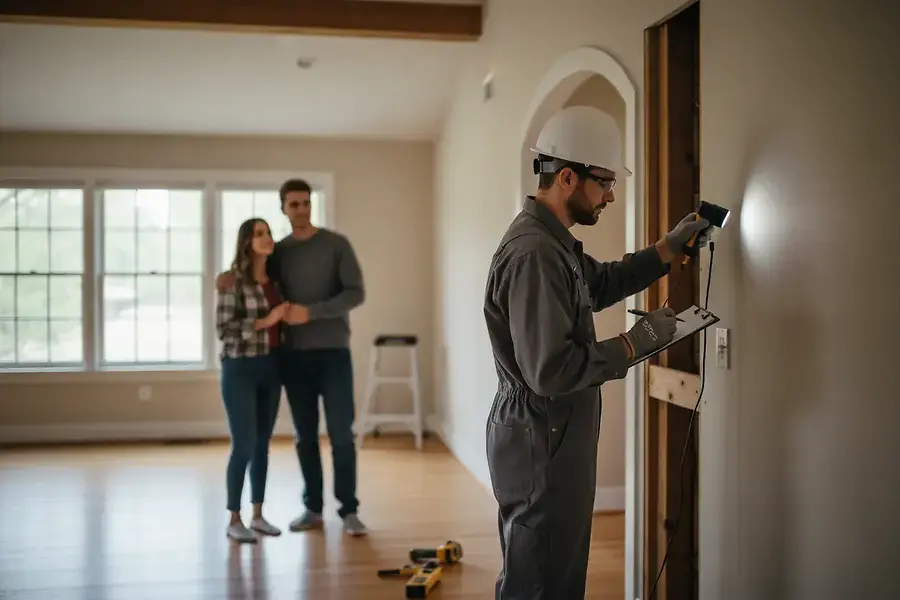
Understanding the Home Inspection Process in Grand Rapids
A home inspection is one of the most critical steps in the home-buying process. In Grand Rapids, this typically involves a licensed inspector spending 2-3 hours thoroughly examining the property's structural integrity, systems, and components. The inspector will provide a detailed report highlighting the condition of everything from the foundation to the roof.
The inspection process is your opportunity to uncover potential issues before you commit to the purchase. Unlike an appraisal, which determines the home's market value, an inspection focuses on the physical condition and functionality of the property. Understanding what happens during this process helps you prepare mentally and financially for what might be discovered.
What to Expect During Your Inspection
When you hire a home inspector in Grand Rapids, they'll conduct a systematic walkthrough of the entire property. You're typically allowed—and encouraged—to accompany the inspector. This gives you the chance to ask questions and learn about the home's systems firsthand. The inspector will document their findings with photographs and detailed notes, which become part of your final report.
The inspection usually takes place after your offer has been accepted but before you're fully committed to the purchase. This timing is crucial because it gives you leverage to negotiate repairs or credits if significant issues are discovered.
Key Areas Inspectors Examine and Red Flags to Watch For
Structural Components
Inspectors carefully examine the foundation, walls, and overall structural integrity of the home. In Grand Rapids, where freeze-thaw cycles are common, foundation cracks and water intrusion are particularly important to assess. Watch for horizontal cracks in the foundation, which can indicate serious structural problems, as opposed to minor vertical cracks that are often normal settling.
Roofing and Exterior
The roof is one of the most expensive components to replace. Inspectors will check for:
- Missing or damaged shingles
- Signs of leaks or water damage
- Proper ventilation and flashing
- Gutter condition and drainage
- Siding integrity and rot
A roof nearing the end of its lifespan can cost $8,000-$15,000+ to replace, so understanding its condition is essential for your budget planning.
Plumbing and Water Systems
Inspectors test water pressure, check for leaks, and examine the water heater and main shut-off valve. Outdated galvanized pipes are a red flag in older Grand Rapids homes, as they can corrode and restrict water flow. Copper or PEX piping is preferable. Additionally, inspectors look for signs of water damage, mold, or inadequate drainage around the property.
Electrical Systems
The electrical panel, wiring, and outlets are thoroughly inspected. Older homes with aluminum wiring or outdated panels may require upgrades for safety and insurance purposes. Inspectors check for proper grounding, adequate outlets, and any signs of fire hazards or code violations.
HVAC Systems
Heating and cooling systems are tested for proper operation. Inspectors note the age of the furnace and air conditioning unit, as these systems typically last 15-20 years. An aging HVAC system may need replacement soon, which is a significant expense to factor into your decision.
Insulation and Ventilation
Proper insulation and ventilation are crucial for energy efficiency and preventing moisture problems. Inspectors assess attic insulation levels and check for adequate ventilation to prevent ice dams—a common issue in Grand Rapids winters.
How to Prepare for and Act on Inspection Results
Before the Inspection
Prepare yourself mentally for what might be discovered. No home is perfect, and inspectors will find issues ranging from minor cosmetic concerns to significant structural problems. Make a list of any concerns you've noticed during your walkthrough and share them with the inspector.
Ensure you have access to all areas of the home, including the attic, basement, and crawl spaces. Ask the seller to provide documentation of recent repairs, maintenance records, and any warranties that might transfer to you.
Understanding Your Inspection Report
The inspection report will categorize findings by severity. Major issues require immediate attention and can significantly impact the home's value. Minor issues are typically cosmetic or easily fixable. Take time to understand each finding and ask your real estate agent or inspector to clarify anything unclear.
Negotiating After Inspection
Once you receive the report, you have several options:
- Request repairs: Ask the seller to fix major issues before closing
- Request credits: Negotiate a reduction in the purchase price to cover repairs yourself
- Request a re-inspection: Have specific items re-examined after repairs are completed
- Walk away: If issues are too severe or costly, you may have grounds to exit the contract
The key is to prioritize. Focus negotiations on major structural, electrical, or plumbing issues rather than minor cosmetic concerns. Be reasonable in your requests—sellers are more likely to cooperate if you're not asking them to fix every small imperfection.
Planning for Future Maintenance
Even if the inspection reveals no major problems, use the report as a maintenance roadmap. Budget for upcoming expenses like roof replacement, HVAC servicing, or foundation monitoring. This proactive approach helps you avoid surprises and maintain your investment's value.
Conclusion: Making Informed Decisions with Inspection Data
A home inspection is your best defense against costly surprises after purchase. By understanding what inspectors look for, knowing which red flags matter most, and using inspection results strategically, you can make confident decisions about your Grand Rapids home purchase.
Remember: an inspection isn't meant to kill a deal—it's meant to inform it. Use the information to negotiate fairly, plan your budget realistically, and move forward with confidence in your new home investment. Whether you're a first-time buyer or an experienced homeowner, a thorough inspection protects your financial future and gives you peace of mind.


