Navigating Home Inspections in Mansfield, Dallas, Fort Worth, and Arlington
A comprehensive guide to protecting your residential investment through professional inspections in the DFW area.

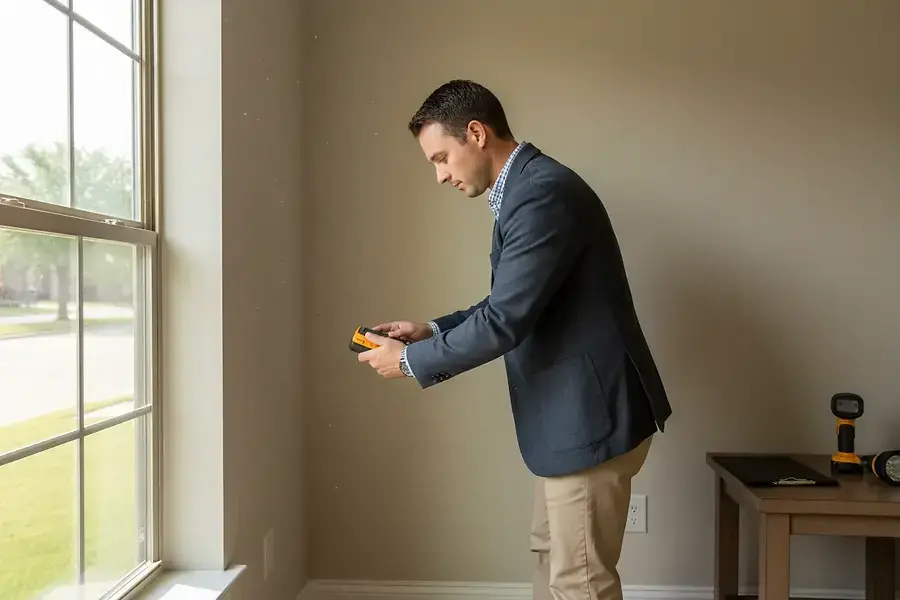
Why Home Inspections Matter in Your Real Estate Transaction
Purchasing a home is one of the most significant financial decisions you'll make in your lifetime. In the Dallas-Fort Worth metropolitan area—encompassing Mansfield, Dallas, Fort Worth, and Arlington—the real estate market moves quickly, and buyers often feel pressured to make rapid decisions. However, skipping or rushing through a home inspection can lead to costly mistakes that haunt you for years to come.
A professional home inspection serves as your personal advocate, providing an objective assessment of a property's condition before you commit to the purchase. In North Texas, where homes face unique challenges from extreme weather, soil conditions, and aging infrastructure, inspections are not just recommended—they're essential.
The Financial Protection Factor
Home inspections protect your investment by identifying issues that could cost thousands to repair. From foundation problems to HVAC system failures, discovering these issues before closing allows you to negotiate repairs, request credits, or walk away from a problematic property. In the competitive DFW market, this knowledge gives you leverage and peace of mind.
Understanding the Inspection Process: What to Expect in North Texas Homes
The Standard Home Inspection Timeline
A typical home inspection in the DFW area takes between two to four hours, depending on the property's size and age. During this time, a certified inspector will systematically examine every major component of your home, including:
- Structural elements: Foundation, walls, and roof integrity
- Exterior components: Siding, windows, doors, and drainage systems
- Roofing systems: Shingles, flashing, and gutters
- HVAC systems: Heating, cooling, and ventilation equipment
- Plumbing: Water lines, fixtures, and sewage systems
- Electrical systems: Panels, wiring, and outlets
- Interior components: Walls, ceilings, flooring, and insulation
- Appliances: Built-in systems and included fixtures
What You Should Do During the Inspection
Attend the inspection in person. This is your opportunity to ask questions, learn about the home's systems, and understand any concerns the inspector identifies. Walk through the property with the inspector and take notes on areas of concern. Ask about maintenance requirements and expected lifespans for major systems.
Request a detailed written report. Your inspector should provide a comprehensive report within 24 hours, complete with photographs, descriptions of issues, and severity ratings. This documentation becomes invaluable when negotiating repairs or credits with the seller.
North Texas-Specific Considerations
Homes in Mansfield, Dallas, Fort Worth, and Arlington face unique environmental challenges. The region's expansive clay soil can cause foundation movement, particularly during drought or heavy rainfall. Inspectors in the DFW area pay special attention to foundation cracks, sloping floors, and doors that stick—all signs of potential soil-related issues. Additionally, the intense Texas heat means HVAC systems work overtime, making their condition particularly important to assess.
Red Flags and Common Issues Found in DFW Properties
Foundation and Structural Problems
Foundation issues are among the most common concerns in North Texas homes. Look for horizontal cracks wider than 1/8 inch, stair-step cracking in brick, or gaps between walls and windows. While minor settling is normal, significant foundation movement can require expensive repairs and should be evaluated by a structural engineer.
Roof and Weather-Related Damage
The DFW area experiences severe weather, including hail storms and high winds. Inspectors will check for missing or damaged shingles, deteriorated flashing, and signs of water damage in attics. A roof nearing the end of its lifespan may need replacement within a few years—an important factor in your purchasing decision.
HVAC System Concerns
Air conditioning systems in North Texas are pushed to their limits during hot summers. An aging or poorly maintained HVAC system can fail unexpectedly, resulting in repair costs of $5,000 to $15,000 for replacement. Inspectors will assess the system's age, efficiency, and condition to help you anticipate future expenses.
Plumbing and Water Issues
Hard water is common in the DFW area, leading to mineral buildup in pipes and fixtures. Inspectors look for signs of water damage, slow drains, and outdated plumbing materials. Older homes may have galvanized pipes that are corroding or polybutylene pipes that are prone to failure—both expensive problems to address.
Electrical System Deficiencies
Outdated electrical panels that cannot handle modern power demands are frequently found in older DFW homes. Insufficient outlets, two-prong receptacles, and inadequate grounding are safety concerns that may require upgrading. Aluminum wiring, found in some homes built during the 1970s, poses fire hazards and should be professionally evaluated.
Pest and Moisture Damage
Termites and wood-boring insects thrive in the Texas climate. Inspectors will look for evidence of infestation, including mud tubes, wood damage, and pest droppings. Moisture problems, whether from poor drainage or roof leaks, create conditions for mold growth and wood rot—both serious health and structural concerns.
Using Inspection Results to Make Confident Purchasing Decisions
Interpreting Your Inspection Report
After receiving your inspection report, take time to understand the findings. Issues are typically categorized by severity: critical (immediate safety concerns), major (significant repairs needed), and minor (maintenance or cosmetic issues). Focus on critical and major items when deciding your next steps.
Negotiation Strategies
Armed with inspection findings, you have several options:
- Request repairs: Ask the seller to fix critical issues before closing
- Negotiate credits: Request a credit toward closing costs to address repairs yourself
- Renegotiate price: Use inspection results to justify a lower offer
- Walk away: If issues are too extensive, you may choose to terminate the contract
Planning for Future Maintenance
Even if you proceed with the purchase, use your inspection report as a maintenance roadmap. Prioritize repairs based on safety and cost, and budget for upcoming system replacements. Understanding your home's condition helps you plan financially and avoid surprises down the road.
A professional home inspection is not an expense—it's an investment in your peace of mind and financial security.
Conclusion: Making Your DFW Home Purchase with Confidence
Home inspections are a critical component of the real estate transaction in Mansfield, Dallas, Fort Worth, and Arlington. By understanding the inspection process, recognizing common DFW-specific issues, and using inspection results strategically, you protect your investment and make informed decisions.
Don't let the fast-paced DFW real estate market pressure you into skipping this essential step. A thorough home inspection provides the knowledge and leverage you need to purchase with confidence, knowing exactly what you're getting and what to expect in the years ahead.