Navigating Honolulu's Residential Market: Neighborhoods, Pricing & Timeline
A comprehensive guide to understanding current market conditions, neighborhood characteristics, and realistic timelines for purchasing residential property in Honolulu.

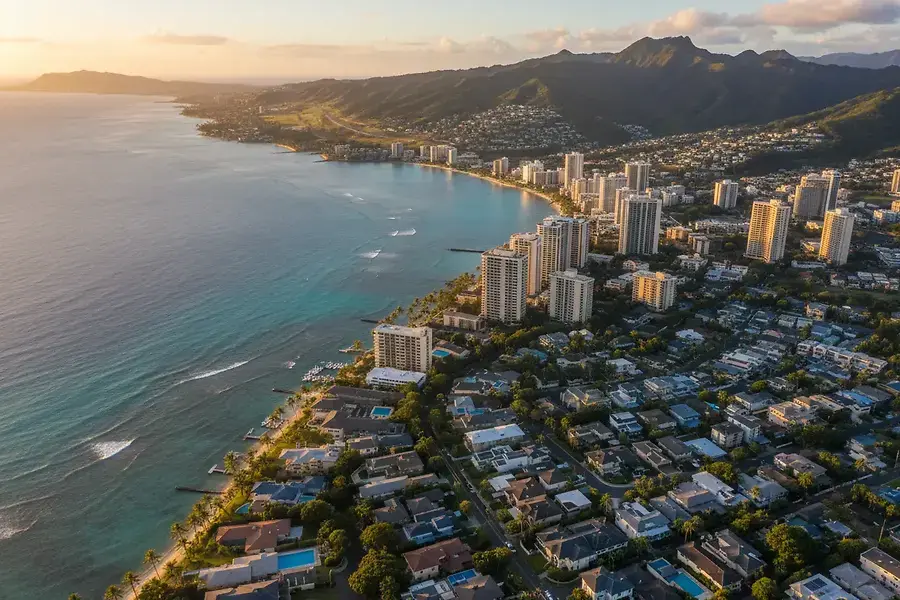
Understanding Honolulu's Current Residential Market Landscape
Honolulu's residential real estate market continues to be one of the most dynamic and competitive in the nation. The island's limited land availability, combined with strong demand from both local buyers and mainland investors, creates a unique market environment that requires careful navigation and strategic planning.
The current market is characterized by steady appreciation and relatively low inventory levels. Properties in desirable neighborhoods often receive multiple offers within days of listing, making it essential for buyers to be prepared and informed before entering the market. Understanding these conditions will help you make strategic decisions and avoid common pitfalls.
Market Trends and Conditions
Recent market data shows that residential properties in Honolulu maintain strong value retention. While prices have stabilized after previous rapid growth, demand remains robust, particularly for properties in established neighborhoods with good schools and convenient access to employment centers. The median home price varies significantly by neighborhood, ranging from $700,000 to over $2 million depending on location and property characteristics.
Key market indicators include:
- Average days on market: 15-30 days for well-priced properties
- Inventory levels: Below 3 months in most neighborhoods
- Price appreciation: Modest but consistent year-over-year growth
- Buyer competition: Moderate to high in popular areas
Comparing Top Neighborhoods: Features, Amenities, and Price Ranges
Honolulu offers diverse neighborhoods, each with distinct characteristics, amenities, and price points. Understanding these differences is crucial for finding the right property that matches your lifestyle and budget.
Waikiki and Surrounding Areas
Known for its iconic beaches and vibrant tourism, Waikiki offers urban living with unparalleled ocean access. Properties here command premium prices, typically ranging from $1.2 million to $3 million for single-family homes. The neighborhood features excellent restaurants, shopping, and entertainment, though it can be crowded and noisy.
Kahala and Diamond Head
These prestigious neighborhoods are home to Honolulu's most exclusive properties. Kahala offers spacious estates with private beach access, while Diamond Head provides stunning crater views and established residential character. Expect prices ranging from $1.5 million to $5 million or higher. These areas attract affluent buyers seeking privacy and prestige.
Kailua and Windward Side
The windward communities offer a more relaxed, family-friendly atmosphere with excellent schools and beautiful beaches. Kailua is particularly popular for families, with prices typically between $900,000 and $1.8 million. The windward side provides better value than leeward neighborhoods while maintaining strong community character.
Manoa and Makiki
These central neighborhoods appeal to professionals and academics, with proximity to the University of Hawaii and downtown employment centers. Lush, green settings and established neighborhoods characterize these areas. Prices range from $800,000 to $1.6 million, offering relatively good value for central Honolulu locations.
Ala Moana and Downtown
Urban living at its finest, these neighborhoods offer walkability, convenience, and modern amenities. Condominiums dominate the market, with prices ranging from $600,000 to $1.4 million. Perfect for those seeking an urban lifestyle without the Waikiki crowds.
Timeline and Process: From Offer to Closing in Hawaii's Market
Understanding the purchase timeline helps you plan finances and manage expectations. Hawaii's real estate process follows specific procedures that differ slightly from mainland markets.
Pre-Purchase Phase (1-2 weeks)
Before making an offer, secure pre-approval from a lender and identify your target neighborhoods. Work with a local real estate agent familiar with Honolulu's market dynamics. This preparation phase is critical for acting quickly when the right property appears.
Offer and Acceptance (1-3 days)
Once you find a property, your agent will prepare an offer. In competitive markets, you may need to submit your best offer immediately. Negotiations typically conclude within 24-48 hours. Include contingencies for inspection, appraisal, and financing, but be aware that sellers may request limited contingencies in competitive situations.
Inspection and Due Diligence (7-10 days)
After acceptance, you have time for professional inspections and appraisals. Hawaii's unique environment means checking for termites, foundation issues, and water quality. This phase is your opportunity to identify any concerns before committing fully.
Financing and Appraisal (15-20 days)
Your lender orders the appraisal and processes your application. Hawaii properties sometimes appraise below purchase price due to market conditions, so ensure your offer includes adequate contingencies. Maintain communication with your lender throughout this phase.
Title Review and Final Walkthrough (5-7 days)
Title companies conduct thorough searches to ensure clear ownership. You'll perform a final walkthrough to confirm the property's condition and that agreed-upon repairs are complete. This is your last chance to address any concerns.
Closing (1-2 days)
The final phase involves signing documents, transferring funds, and recording the deed. Most closings occur at a title company office. Plan for 2-3 hours for the closing appointment. Total timeline from offer to closing typically spans 30-45 days.
Key Considerations for Residential Buyers in Honolulu
Financial Preparation
Beyond the down payment, budget for closing costs (typically 2-4% of purchase price), property taxes, homeowners insurance, and potential HOA fees. Hawaii's property taxes are relatively low, but insurance costs are higher due to hurricane risk. Ensure your financial plan accounts for these ongoing expenses.
Working with Local Professionals
Hire a real estate agent with deep Honolulu market knowledge, a local lender experienced with Hawaii financing, and a title company familiar with island-specific issues. These professionals are invaluable for navigating local complexities and avoiding costly mistakes.
Understanding Hawaii-Specific Issues
Consider factors unique to Hawaii: salt air corrosion, volcanic rock foundations, termite risks, and water quality concerns. Request detailed inspections addressing these issues. Additionally, understand local zoning laws and any restrictions on property use or modifications.
Neighborhood Research
Visit neighborhoods at different times of day and week. Talk to current residents about community character, traffic patterns, and long-term development plans. What looks perfect on a weekend may feel different during weekday commute hours.
Future Resale Considerations
Even if you plan to stay long-term, consider resale potential. Properties in established neighborhoods with good schools, convenient access, and strong community character maintain value better than isolated or transitional areas. This perspective protects your investment regardless of future plans.
The Honolulu residential market rewards informed, prepared buyers who understand local conditions and act decisively when opportunities arise.


