Navigating Las Vegas Home Inspections: What Every Buyer Should Know
Discover the critical inspection steps that protect your investment and reveal hidden issues before you close on your Las Vegas property.

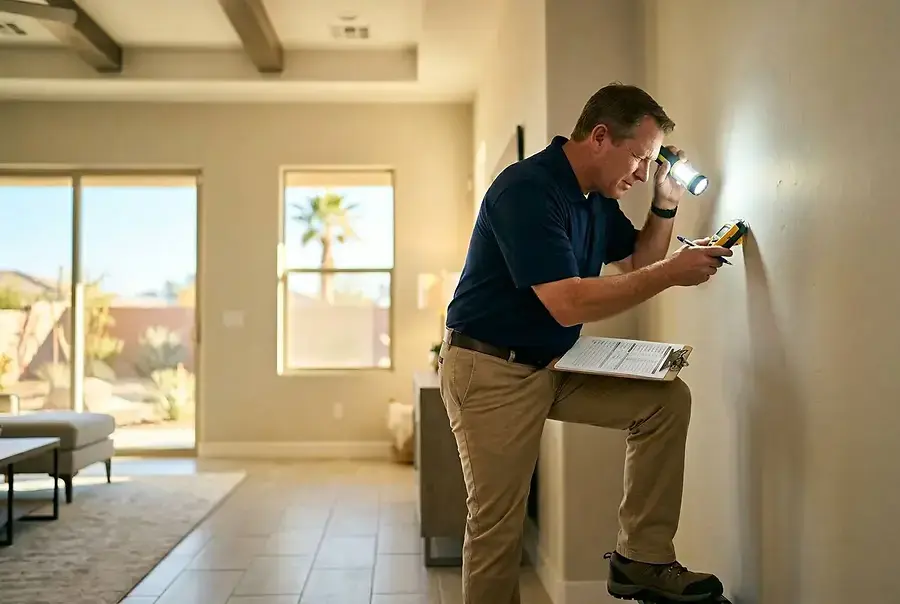
Understanding the Home Inspection Process in Las Vegas
Purchasing a home in Las Vegas is one of the most significant investments you'll make. A professional home inspection is your safeguard against costly surprises after closing. In Nevada, home inspections are not legally required, but they are highly recommended for any buyer serious about protecting their financial interests.
A typical home inspection in Las Vegas takes between two to four hours, depending on the property's size and age. During this time, a certified inspector will systematically evaluate the home's structural integrity, mechanical systems, and overall condition. The inspector will provide you with a detailed written report documenting their findings, which becomes crucial information for your purchasing decision.
What to Expect During Your Inspection
Most inspectors will allow you to walk through the property with them, giving you the opportunity to ask questions and learn about your potential home. This hands-on experience is invaluable for understanding the property's condition and maintenance needs. The inspector will use specialized tools and equipment to assess areas that aren't immediately visible to the naked eye.
Key Areas Inspectors Examine in Nevada Properties
Las Vegas properties face unique environmental challenges due to the desert climate and intense heat. Professional inspectors understand these regional concerns and examine specific areas with particular attention.
Roof and Exterior
The intense Nevada sun can be harsh on roofing materials. Inspectors will examine:
- Roof condition and remaining lifespan
- Signs of water damage or leaks
- Exterior walls and foundation integrity
- Condition of windows and doors
- Proper drainage systems and gutters
HVAC Systems
Air conditioning is essential in Las Vegas. Inspectors will thoroughly evaluate your cooling system's age, efficiency, and maintenance history. A well-functioning AC unit is critical in this climate, and replacement costs can be substantial.
Plumbing and Water Systems
Desert water can be mineral-heavy, affecting plumbing longevity. Inspectors check:
- Water pressure and flow rates
- Pipe material and condition
- Water heater functionality and age
- Potential corrosion or mineral buildup
- Septic or sewer system status
Electrical Systems
A safe electrical system is non-negotiable. Inspectors will evaluate the panel, wiring, outlets, and overall safety compliance. Outdated electrical systems may require upgrades to meet current Nevada building codes.
Foundation and Structural Elements
The desert's dry climate can cause foundation settling and cracking. Inspectors look for signs of structural movement, cracks, and potential foundation issues that could become expensive problems.
How to Interpret Your Inspection Report and Negotiate Repairs
Your inspection report will categorize findings into different severity levels. Understanding these categories helps you prioritize concerns and make informed decisions.
Report Categories
Critical Issues: These are safety hazards or major structural problems that require immediate attention. Examples include electrical hazards, gas leaks, or severe foundation damage. These issues typically must be addressed before closing.
Major Repairs: Significant systems nearing the end of their lifespan, such as an aging roof or failing HVAC system. These items should be negotiated during the purchase process.
Minor Issues: Small maintenance items like caulking, paint touch-ups, or minor repairs. These are often handled by the buyer after closing or negotiated for minor credits.
Negotiation Strategies
Once you receive your inspection report, you have several options. You can request the seller make repairs before closing, ask for a credit toward repairs you'll handle yourself, or renegotiate the purchase price. In Las Vegas's competitive market, your negotiating position depends on the property's condition and current market dynamics.
Pro tip: Obtain repair estimates from licensed contractors for significant issues. This gives you concrete numbers to present during negotiations and ensures you understand the true cost of repairs.
Protecting Your Investment: Next Steps After Inspection
Document Everything
Keep copies of your inspection report, all communications with the seller, and any repair estimates. This documentation protects you and provides a baseline for future reference.
Schedule Follow-Up Inspections
For major systems like HVAC or plumbing, consider having a specialist conduct a more detailed evaluation. A licensed HVAC technician or plumber can provide specific insights and repair recommendations.
Plan Your Maintenance Schedule
Use your inspection report to create a maintenance plan. Addressing minor issues promptly prevents them from becoming major problems. Regular maintenance extends the life of your home's systems and protects your investment.
Understand Your Home's Unique Needs
Las Vegas homes require specific maintenance due to the desert climate. Focus on:
- Regular AC maintenance to ensure efficiency during hot months
- Monitoring foundation for settling or cracks
- Protecting exterior surfaces from UV damage
- Managing water usage and irrigation systems
- Inspecting for pest issues common to the desert
Consider a Home Warranty
A home warranty can provide peace of mind by covering unexpected repairs to major systems. While not a substitute for a thorough inspection, it offers financial protection against costly breakdowns.
A home inspection is not an expense—it's an investment in your peace of mind and financial security. The small cost of an inspection can save you thousands in unexpected repairs and help you make a confident purchasing decision.
Navigating a Las Vegas home inspection doesn't have to be overwhelming. By understanding the process, knowing what inspectors examine, and taking action on their findings, you protect your investment and ensure your new home is a sound financial decision. Work with experienced professionals, ask questions, and trust the inspection process to guide you toward a successful home purchase in Las Vegas.


