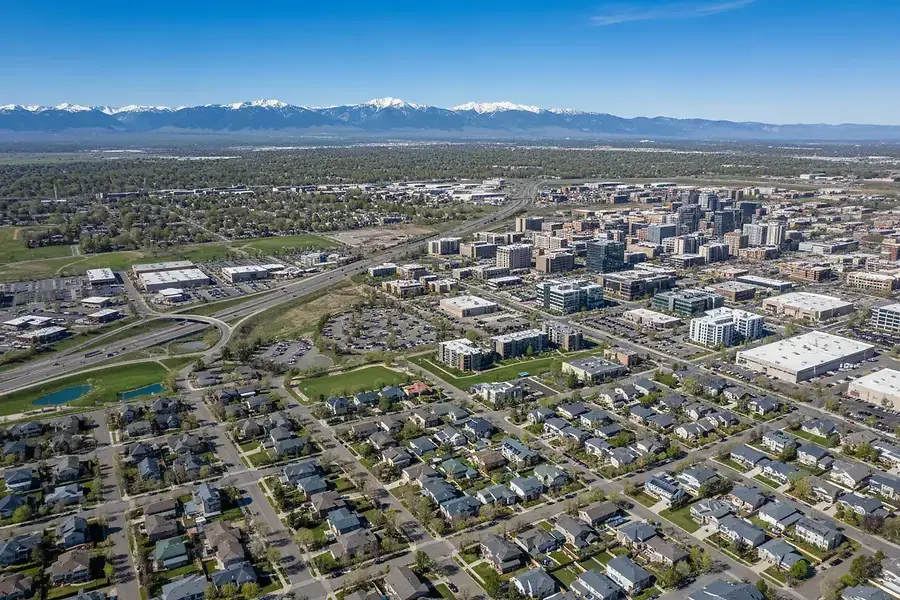
Introduction: The Convergence of Residential and Commercial Markets in Longmont
Longmont, Colorado has emerged as one of the most dynamic real estate markets in the Front Range, attracting investors from across the nation. What makes this market particularly compelling is the simultaneous growth and opportunity in both residential and commercial sectors. Rather than choosing between these two investment avenues, forward-thinking investors are discovering that a dual-market strategy can provide superior returns and enhanced portfolio stability.
The convergence of residential and commercial opportunities in Longmont creates a unique landscape where investors can leverage market trends in both sectors. With a growing population, expanding job market, and increasing demand for both housing and commercial space, Longmont presents a rare opportunity for diversified real estate investment.
Understanding Dual-Market Investment Strategies in Longmont
What is Dual-Market Investing?
Dual-market investing involves strategically allocating capital across both residential and commercial real estate properties within the same geographic market. This approach allows investors to benefit from different market cycles, tenant types, and income streams while maintaining geographic focus and market expertise.
Why Longmont is Ideal for Dual-Market Strategies
Longmont's economic fundamentals make it an exceptional location for this investment approach:
- Population Growth: Longmont continues to experience steady population increases, driving demand for both housing and commercial services.
- Economic Diversification: The city hosts a diverse range of industries, from technology and manufacturing to healthcare and retail, supporting commercial real estate demand.
- Infrastructure Development: Ongoing improvements to transportation, utilities, and public amenities enhance property values across all sectors.
- Affordable Entry Points: Compared to Denver and Boulder, Longmont offers more accessible investment opportunities without sacrificing market potential.
- Strong Rental Markets: Both residential and commercial rental markets demonstrate healthy occupancy rates and competitive pricing.
The Benefits of Portfolio Diversification
By investing in both residential and commercial properties, investors can achieve several key advantages:
Risk Mitigation: If the residential market experiences a downturn, commercial properties may remain stable, and vice versa. This natural hedge protects overall portfolio performance.
Multiple Income Streams: Different property types generate revenue through different mechanisms. Single-family rentals, multi-family units, office spaces, and retail locations each have distinct cash flow characteristics.
Tax Optimization: Diversified portfolios offer more opportunities for strategic tax planning and depreciation benefits across different property classifications.
Market Expertise Leverage: By focusing on one geographic market, investors develop deep knowledge that applies across both residential and commercial sectors, improving decision-making quality.
Identifying High-Potential Residential and Commercial Properties
Residential Investment Opportunities
Longmont's residential market offers several compelling investment categories:
Single-Family Homes: These properties appeal to owner-occupants and provide stable, long-term rental income. Look for homes in established neighborhoods with good schools and amenities, particularly in areas experiencing revitalization.
Multi-Family Units: Apartment buildings and duplex properties offer economies of scale and higher cash flow potential. Longmont's growing population supports strong demand for rental apartments, particularly near employment centers.
New Construction: Several new residential developments are underway in Longmont. Early investment in these projects can yield appreciation as neighborhoods mature and amenities develop.
Key Residential Metrics to Evaluate:
- Cap rates and cash-on-cash returns
- Rental rate trends and vacancy rates
- Property appreciation history
- Tenant demographics and stability
- Property condition and maintenance requirements
Commercial Investment Opportunities
Longmont's commercial sector presents diverse investment possibilities:
Office Space: With growing tech companies and professional services firms relocating to Longmont, office properties offer strong leasing potential. Modern, flexible office spaces command premium rents.
Retail Properties: Strategic retail locations near residential areas and major intersections continue to attract tenants. Mixed-use developments combining retail with residential or office space are particularly popular.
Industrial and Warehouse: E-commerce growth and supply chain diversification have increased demand for industrial space. Longmont's location provides excellent access to regional distribution networks.
Key Commercial Metrics to Evaluate:
- Tenant credit quality and lease terms
- Net operating income (NOI) and cap rates
- Lease expiration schedules and renewal rates
- Market absorption rates and vacancy trends
- Tenant mix and business stability
Strategic Location Selection
Success in dual-market investing requires careful attention to location within Longmont. Proximity to employment centers, transportation corridors, and amenities drives value in both residential and commercial properties. Areas experiencing infrastructure improvements or business growth often provide the best investment opportunities.
Consider investing in neighborhoods or commercial districts that show signs of revitalization. Properties in transitional areas often offer better entry prices with strong appreciation potential as the area develops.
Conclusion: Building a Diversified Portfolio in Longmont's Dynamic Real Estate Market
Longmont's dual-market opportunity represents a compelling investment thesis for those willing to develop expertise across residential and commercial real estate. The city's strong fundamentals, growing economy, and accessible entry points create an ideal environment for portfolio diversification.
Success in real estate investing requires patience, research, and strategic thinking. Longmont's market rewards investors who take a comprehensive approach to understanding both residential and commercial opportunities.
The most successful investors in Longmont are those who view the market holistically, recognizing that residential and commercial properties can work together to create a resilient, income-generating portfolio. By identifying high-potential properties in both sectors, conducting thorough due diligence, and maintaining a long-term perspective, investors can capitalize on Longmont's dynamic real estate landscape.
Whether you're a seasoned real estate investor or exploring your first opportunity, Longmont's dual-market environment offers pathways to build wealth through strategic property investment. The key is to start with solid research, develop a clear investment strategy, and execute with discipline and patience.