Navigating Los Angeles Home Inspections: What Buyers Need to Know
Understand the critical inspection process and protect your investment in LA's competitive real estate market.

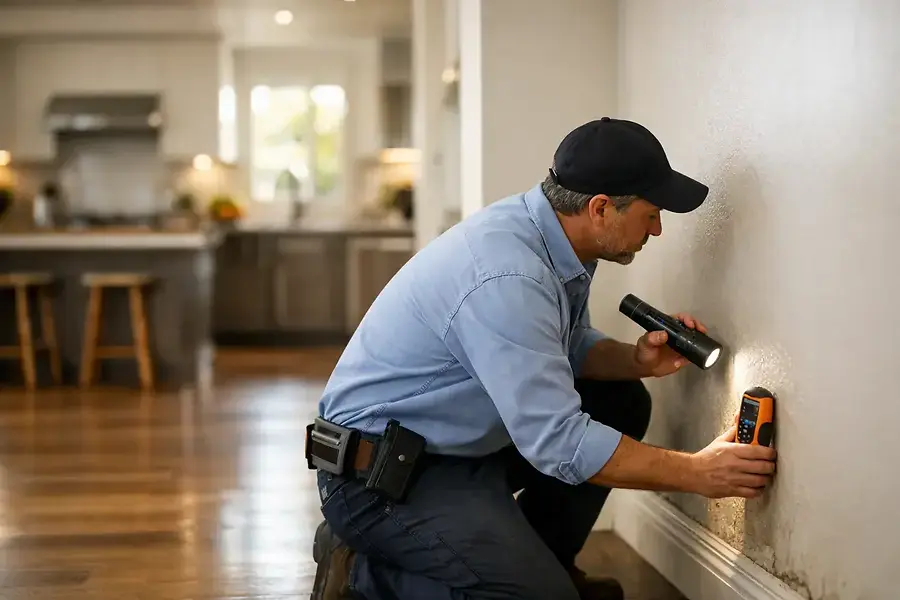
Why Home Inspections Matter in Los Angeles
Purchasing a home in Los Angeles is one of the most significant financial decisions you'll make. With the competitive real estate market and high property values, protecting your investment through a thorough home inspection is absolutely critical. A professional home inspection provides an independent, objective assessment of a property's condition before you commit to the purchase.
In Los Angeles, where homes range from historic Craftsman bungalows to modern hillside estates, each property presents unique challenges and considerations. A comprehensive inspection can reveal hidden issues that could cost thousands of dollars to repair, allowing you to negotiate repairs, request credits, or make an informed decision about whether to proceed with the purchase.
Beyond financial protection, home inspections provide peace of mind. Understanding what you're buying helps you plan for future maintenance and budget for necessary upgrades. In LA's diverse neighborhoods with varying home ages and construction styles, this knowledge is invaluable.
Key Areas Inspectors Evaluate in LA Properties
Structural Integrity and Foundation
Los Angeles homes are susceptible to foundation issues due to soil composition and seismic activity. Inspectors carefully examine the foundation for cracks, settling, and water damage. Foundation problems are among the most expensive repairs, making this evaluation essential for LA buyers.
Roof and Exterior
The California sun can be harsh on roofing materials. Inspectors assess:
- Roof condition and remaining lifespan
- Flashing and gutters
- Exterior walls and siding
- Windows and doors
- Weatherproofing and water intrusion risks
Given LA's occasional heavy rains and potential for wildfires, proper exterior maintenance is crucial for protecting your investment.
Plumbing Systems
Many older Los Angeles homes have outdated plumbing systems. Inspectors check for:
- Water pressure and flow
- Pipe material and condition
- Drainage systems
- Water heater functionality
- Signs of leaks or corrosion
Galvanized pipes, common in older LA homes, often need replacement, which can be a significant expense.
Electrical Systems
Electrical safety is paramount. Inspectors evaluate the main panel, wiring, outlets, and overall system capacity. Outdated electrical systems may not support modern appliances and technology, and safety hazards must be addressed immediately.
HVAC and Climate Control
While Los Angeles has a mild climate, proper heating and cooling systems are still essential. Inspectors assess air conditioning units, furnaces, and ventilation systems for age, efficiency, and functionality.
Interior Conditions
A thorough inspection includes evaluation of:
- Walls, ceilings, and flooring
- Doors and windows
- Kitchen and bathroom fixtures
- Appliances (if included in sale)
- Storage areas and attics
Common Issues Found in Los Angeles Homes and Solutions
Water Damage and Mold
Despite LA's dry climate, water intrusion is a common problem in older homes. Mold growth poses health risks and requires professional remediation. Solutions include roof repairs, improved drainage, and moisture control systems.
Seismic Concerns
Los Angeles sits in an earthquake-prone region. Many older homes lack proper bracing and bolting to the foundation. Seismic retrofitting can significantly improve safety and may even reduce insurance premiums. This is a worthwhile investment for long-term homeowners.
Outdated Electrical Wiring
Knob-and-tube wiring and aluminum wiring found in vintage LA homes pose fire hazards. Modern rewiring is necessary for safety and to support contemporary electrical demands. Budget accordingly for this upgrade.
Plumbing Deterioration
Corroded pipes and outdated materials are prevalent in older properties. Repiping projects can be expensive but prevent future water damage and contamination. Get multiple quotes from licensed plumbers.
HVAC System Age
Aging air conditioning systems become inefficient and costly to repair. Replacement is often more economical than continued repairs. Consider energy-efficient models to reduce utility costs.
Roof Deterioration
The intense California sun ages roofing materials quickly. Inspectors often find:
- Missing or damaged shingles
- Deteriorated flashing
- Shortened lifespan due to sun exposure
Budget for roof replacement within 5-10 years if the current roof is aging.
Using Inspection Results to Make Informed Decisions
Once you receive the inspection report, you have several options:
Request Repairs: Ask the seller to fix significant issues before closing. Most sellers will address major safety concerns and structural problems.
Negotiate Credits: Request a credit toward closing costs to handle repairs yourself. This gives you control over contractor selection and work quality.
Renegotiate Price: Use inspection findings to justify a lower offer price that accounts for necessary repairs and upgrades.
Walk Away: If inspection reveals extensive, expensive problems, you may decide the property isn't worth the investment. This is why inspections are so valuable—they give you an exit strategy.
Don't ignore inspection findings. Address major issues promptly to prevent them from worsening and becoming more expensive. Create a maintenance plan based on the inspector's recommendations.
Pro Tip: Attend the inspection if possible. Ask the inspector questions and request clarification on findings. Understanding the issues helps you make better decisions and plan for future maintenance.
A home inspection is your opportunity to verify that you're making a sound investment. In Los Angeles's competitive real estate market, this due diligence protects your financial interests and ensures you understand exactly what you're purchasing. Take the inspection process seriously, review the report thoroughly, and use the findings to negotiate confidently and make informed decisions about your new home.


