Navigating Maui's Property Market: Essential Steps for Home Buyers
A comprehensive guide to understanding local market trends, financing options, and what to expect when purchasing residential property in Lahaina and Maui.

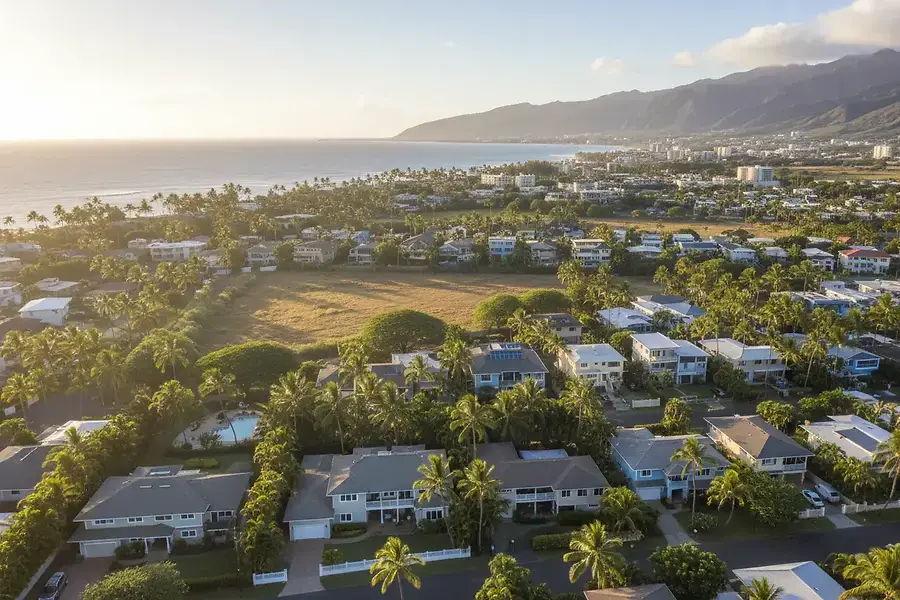
Understanding Maui's Current Real Estate Landscape
Maui's real estate market continues to be one of Hawaii's most dynamic and sought-after destinations for homebuyers. The island's unique blend of natural beauty, strong community values, and economic opportunities makes it an attractive location for both local residents and investors. Understanding the current landscape is the first critical step in your home-buying journey.
The Maui market has experienced steady growth over recent years, with particular strength in residential properties. Lahaina, known for its historic charm and oceanfront appeal, remains a premium location that attracts buyers from across the mainland and internationally. The market here is characterized by limited inventory, strong demand, and properties that tend to appreciate steadily over time.
Market Conditions and Trends
Current market conditions in Maui favor sellers, with homes typically spending less time on the market compared to national averages. This competitive environment means that buyers need to be well-prepared, informed, and ready to act quickly when the right property becomes available. The median home prices in Lahaina tend to be higher than other parts of Maui, reflecting the area's desirability and limited supply of oceanfront and near-oceanfront properties.
Seasonal fluctuations also play a role in Maui's real estate market. Winter months typically see increased buyer activity, while summer months may offer slightly less competition. Understanding these patterns can help you time your purchase strategically.
Key Factors That Influence Home Prices in Lahaina and Maui
Several interconnected factors determine property values across Maui and Lahaina. Being aware of these elements will help you make informed decisions and understand pricing in different neighborhoods.
Location and Proximity to Amenities
Location remains the most significant price driver in Maui's real estate market. Properties with oceanfront or ocean-view access command premium prices, while homes in established neighborhoods with good schools, shopping, and dining options also maintain strong values. Proximity to Lahaina town, beaches, and recreational facilities significantly impacts property desirability and pricing.
Property Condition and Age
The age and condition of a home directly affect its market value. Newer construction or recently renovated properties typically command higher prices than older homes requiring significant updates. However, well-maintained older homes in desirable locations can still be excellent investments. It's essential to conduct thorough inspections to understand any potential repair costs.
Market Supply and Demand
Limited inventory combined with consistent demand keeps prices elevated in Maui. The island's geographic constraints mean that new development is limited, which naturally supports property values. Understanding current inventory levels in your target neighborhoods can help you gauge how competitive the market is and what negotiating power you may have.
Economic Factors and Interest Rates
Broader economic conditions, including interest rates and employment trends, influence buyer purchasing power and market activity. Lower interest rates typically increase demand and prices, while higher rates may cool the market slightly. Staying informed about economic trends helps you understand market momentum.
Financing Your Home Purchase: Local Resources and Options
Securing appropriate financing is crucial to your home-buying success. Maui offers several resources and options tailored to local buyers and investors.
Working with Local Lenders
Hawaii-based banks and credit unions often have specialized knowledge of the local market and may offer programs designed specifically for island residents. These institutions understand the unique aspects of Maui real estate and can provide personalized service. Some local lenders offer programs with favorable terms for first-time homebuyers or those purchasing primary residences.
Conventional Loans and FHA Options
Conventional mortgages remain the most common financing option for Maui homebuyers. FHA loans can be attractive for those with limited down payments, though they may have specific requirements regarding property condition and appraisals. Compare rates and terms from multiple lenders to ensure you're getting the best deal possible.
Down Payment Assistance and Programs
Several programs exist to help qualified buyers with down payment assistance. Research state and local programs that may be available to you, particularly if you're a first-time homebuyer or meet other eligibility criteria. These programs can significantly reduce the upfront capital required to purchase a home.
Pre-Approval and Pre-Qualification
Getting pre-approved for a mortgage is essential before making offers. Pre-approval demonstrates to sellers that you're a serious buyer with verified financial capacity. This step is particularly important in Maui's competitive market, where sellers often receive multiple offers. Pre-approval also helps you understand your budget and prevents you from pursuing properties outside your financial reach.
Making Your Offer: Negotiation Strategies and Closing Timeline
Successfully navigating the offer and closing process requires strategy, timing, and professional guidance.
Crafting a Competitive Offer
In Maui's seller-favorable market, your initial offer should be competitive and well-researched. Work with a knowledgeable real estate agent who understands local market values and can help you determine an appropriate offer price. Consider the following elements:
- Offer Price: Research comparable sales to ensure your offer is competitive yet reasonable
- Contingencies: Minimize contingencies when possible, as sellers prefer clean offers
- Earnest Money: A substantial earnest money deposit demonstrates serious intent
- Closing Timeline: Offering a flexible closing date can make your offer more attractive
Negotiation Strategies
Effective negotiation in Maui's market requires understanding the seller's motivations and market conditions. Be prepared to walk away if terms aren't favorable—there will be other opportunities. Focus on win-win solutions that address both parties' needs. Your real estate agent can be invaluable in communicating offers and counteroffers professionally.
The Closing Timeline
Typical closing timelines in Maui range from 30 to 45 days, though this can vary based on financing complexity and inspection findings. Key milestones include:
- Offer acceptance and earnest money deposit
- Home inspection and appraisal period
- Final mortgage approval
- Title search and insurance
- Final walkthrough and closing
Work closely with your lender, real estate agent, and title company to ensure all deadlines are met. Hawaii has specific requirements for title insurance and closing procedures, so having professionals familiar with local regulations is essential.
Final Considerations
Before closing, conduct a final walkthrough to ensure all agreed-upon repairs have been completed and the property is in the expected condition. Review all closing documents carefully and ask questions about anything you don't understand. This is your opportunity to catch any discrepancies before finalizing the purchase.
Purchasing property in Maui is an exciting opportunity that requires careful planning and informed decision-making. By understanding the market, exploring your financing options, and approaching negotiations strategically, you'll be well-positioned to find your ideal home in this beautiful Hawaiian community.


