Navigating Miami's Residential Market Cycles: Timing Your Home Sale
Learn how seasonal trends and economic factors influence home values and buying opportunities in South Florida.

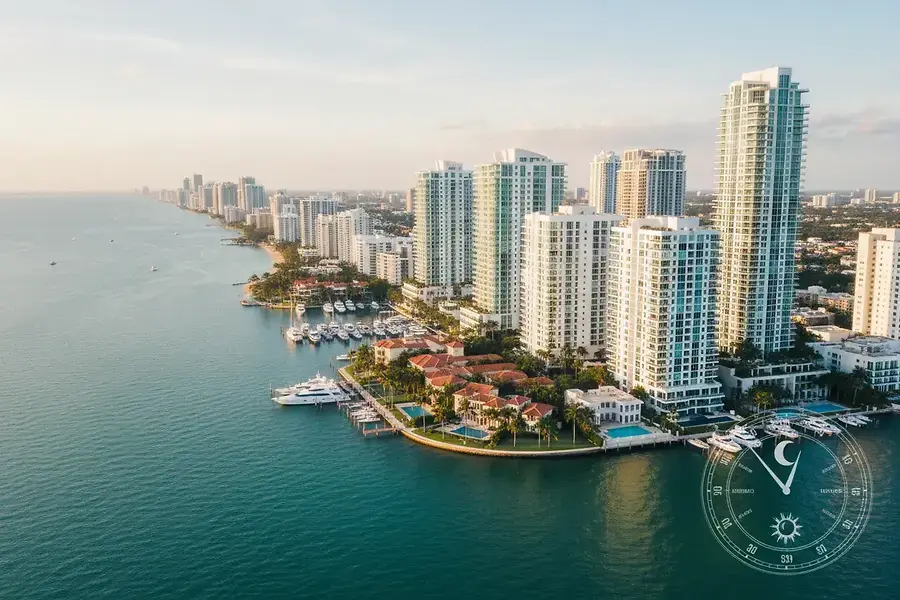
What Drives Miami's Residential Market
Miami's residential real estate market is one of the most dynamic and competitive in the United States. Unlike many other markets that remain relatively stable throughout the year, South Florida experiences significant fluctuations driven by a unique combination of seasonal migration patterns, economic cycles, and lifestyle factors. Understanding these market dynamics is essential for anyone looking to buy or sell property in the region.
The Miami market is influenced by several key factors that work together to create distinct buying and selling seasons. Weather patterns, international investment trends, local economic growth, and demographic shifts all play crucial roles in determining when homes sell quickly and at premium prices, and when inventory builds up and buyers gain negotiating power.
Seasonal Patterns and Peak Buying Seasons in South Florida
The Winter Season: Peak Buying Activity
Winter represents the strongest season for Miami's residential market. As temperatures drop across the northern United States and Canada, affluent buyers migrate south seeking warm weather and sunshine. This seasonal influx creates intense competition among buyers and drives prices upward. Homes listed during winter months typically sell faster and command higher prices compared to other seasons.
During this period, you'll notice:
- Increased showings and multiple offers on properties
- Higher average sale prices across all neighborhoods
- Shorter time on market for well-priced homes
- More international buyers entering the market
- Greater demand for luxury and waterfront properties
Spring: The Secondary Peak
Spring brings a secondary surge in market activity as families prepare for summer moves and investors capitalize on the momentum from winter. While not quite as intense as winter, spring remains a favorable seller's market with good inventory movement and solid pricing power.
Summer and Fall: Buyer's Advantage
Summer and early fall typically see reduced buyer activity as many seasonal residents return to their northern homes. This shift creates a buyer's market where inventory increases and sellers become more motivated to negotiate. Buyers who can purchase during these months often secure better deals and have more properties to choose from.
However, summer also brings hurricane season considerations, which can impact both buyer confidence and property insurance costs. Serious buyers who understand this seasonal dip can leverage it to their advantage.
Economic Indicators That Impact Home Values and Buyer Activity
Interest Rates and Mortgage Availability
Perhaps the most significant economic factor affecting the Miami market is interest rate fluctuations. When mortgage rates are low, buyer purchasing power increases, driving up demand and prices. Conversely, higher interest rates reduce affordability and can cool market activity. Monitoring Federal Reserve decisions and economic forecasts helps predict market movements.
Employment and Income Growth
Miami's job market directly influences residential demand. Growth in sectors like technology, healthcare, finance, and hospitality creates new residents seeking housing. Strong employment numbers typically correlate with increased buyer activity and upward price pressure. Local economic reports and job growth statistics provide valuable insights into future market strength.
International Investment Trends
Miami's appeal to international investors, particularly from Latin America and Europe, significantly impacts the luxury market segment. Currency exchange rates, political stability in source countries, and international economic conditions all influence foreign buyer participation. This external demand can sustain prices even when domestic buyer activity slows.
Population Migration Patterns
Beyond seasonal migration, long-term demographic trends shape the market. Remote work adoption has accelerated permanent relocations to Miami, increasing baseline demand. Tracking migration statistics and demographic reports helps identify sustained market strength versus temporary seasonal fluctuations.
Housing Inventory Levels
The balance between supply and demand fundamentally drives prices. Low inventory typically favors sellers, while high inventory gives buyers negotiating leverage. Monitoring months of supply—how long it would take to sell all current listings at current pace—provides a clear market indicator.
"The best time to sell is when you have the most competition from other sellers' buyers, and the best time to buy is when you have the most competition from other buyers' sellers."
Using Market Cycles to Your Advantage
For Home Sellers
If you're planning to sell, timing your listing for peak season can significantly impact your bottom line. Winter and spring offer the best conditions for maximum exposure and competitive bidding. However, if you must sell during slower seasons, pricing strategically and highlighting unique features becomes even more critical.
Consider these seller strategies:
- List before peak season begins to capture early buyers
- Price competitively based on current market conditions
- Invest in professional staging and photography
- Be prepared to negotiate during slower seasons
- Monitor economic indicators to anticipate market shifts
For Home Buyers
Buyers benefit from understanding market cycles in different ways. While summer and fall offer more inventory and negotiating power, you may face less competition and better pricing during these periods. However, you'll have fewer options to choose from.
Smart buyer strategies include:
- Get pre-approved before shopping to move quickly when opportunities arise
- Search during slower seasons for better deals
- Monitor interest rate trends to time your purchase
- Consider emerging neighborhoods gaining economic momentum
- Work with experienced agents who understand local cycles
The Importance of Professional Guidance
Whether buying or selling, working with a knowledgeable real estate professional who understands Miami's unique market cycles is invaluable. They can help you interpret economic data, identify optimal timing, and develop strategies tailored to your specific situation and goals.
Miami's residential market offers opportunities year-round, but success requires understanding the seasonal patterns and economic factors that drive it. By recognizing these cycles and positioning yourself accordingly, you can maximize your real estate investment and achieve your property goals in South Florida's dynamic market.


