Navigating Mixed-Use Properties in Texas Real Estate Markets
Discover how residential-commercial hybrid investments are reshaping communities across Houston's suburbs and Long Island.

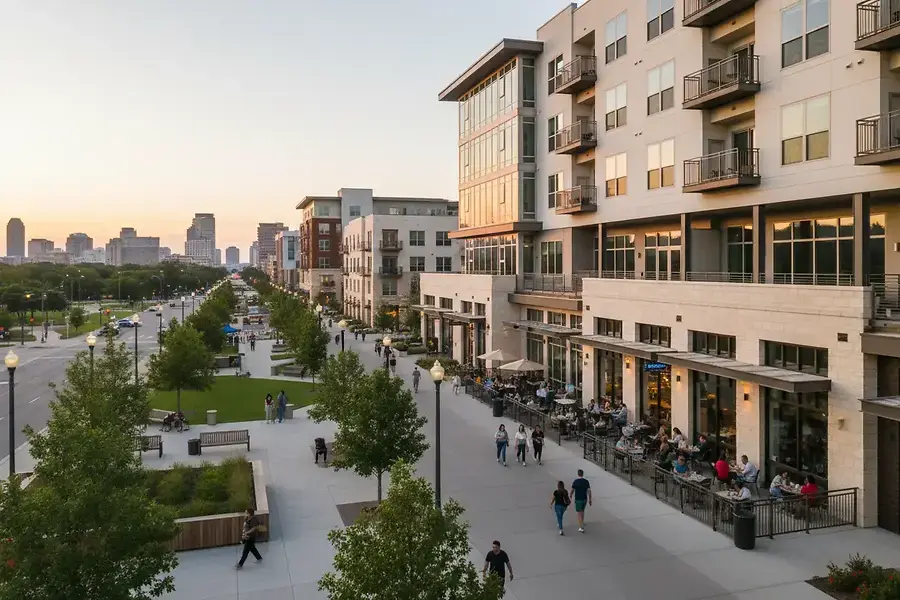
The Rise of Mixed-Use Development in Today's Real Estate Landscape
The real estate market is experiencing a fundamental shift in how properties are developed and utilized. Mixed-use properties—developments that combine residential, commercial, and sometimes office spaces under one roof or within a unified community—are no longer niche investments. They have become mainstream drivers of urban and suburban development across the United States, with Texas leading the charge.
This evolution reflects changing consumer preferences and economic realities. People increasingly want to live, work, and play in the same neighborhoods, reducing commute times and fostering vibrant, walkable communities. Developers and investors who understand this shift are positioning themselves at the forefront of real estate innovation.
Texas, particularly in regions like Houston's suburbs and comparisons to emerging markets like Long Island, demonstrates how mixed-use properties can revitalize areas and create sustainable growth. These developments attract diverse demographics, from young professionals to families seeking convenience and community.
Understanding Residential-Commercial Hybrid Properties: Benefits and Opportunities
What Are Mixed-Use Properties?
Mixed-use properties integrate multiple functions within a single development or building. A typical example might include ground-floor retail or restaurants with residential apartments above, or a larger community featuring office spaces, shops, dining venues, and housing options all within walking distance.
Key Benefits for Investors
- Diversified Revenue Streams: Multiple property types within one investment generate income from various sources—residential leases, commercial tenants, and retail operations—reducing dependency on any single market segment.
- Higher Occupancy Rates: The convenience factor keeps occupancy rates elevated across all components, as residents and workers naturally patronize nearby businesses.
- Increased Property Values: Mixed-use developments typically appreciate faster than single-use properties due to their enhanced utility and appeal to a broader market.
- Tax Advantages: Investors may benefit from depreciation deductions across multiple property classes and potential opportunity zone incentives.
- Community Impact: These developments often receive favorable zoning approvals and community support, facilitating smoother development processes.
Opportunities for Different Investor Types
Residential Investors gain access to premium locations with built-in foot traffic and amenities. Commercial Investors benefit from stable residential populations supporting their tenants. Developers can create flagship projects that define neighborhoods and generate significant returns.
For those seeking passive income, mixed-use properties offer stability through diversification. Active investors and developers find opportunities to create value through thoughtful design and community-focused planning.
Market Trends Across Key Regions: From Katy to Long Island City
Houston's Suburban Boom
Houston's suburbs, particularly areas like Katy, are experiencing explosive growth in mixed-use development. These regions offer several advantages: lower land costs than urban centers, strong population growth, and increasing demand for convenient, walkable communities.
Suburban mixed-use projects in the Houston area typically feature:
- Residential units ranging from apartments to townhomes
- Retail and dining establishments catering to local populations
- Office spaces supporting remote work and small businesses
- Community amenities like parks, fitness centers, and gathering spaces
These developments are transforming suburban sprawl into cohesive communities where residents can meet most daily needs without extensive driving.
Long Island's Evolution
Long Island City represents a different mixed-use model—urban revitalization through strategic development. Once an industrial area, it has transformed into a vibrant neighborhood with luxury residential towers, corporate offices, restaurants, and cultural venues.
The Long Island City model demonstrates how mixed-use development can:
- Revitalize underutilized urban areas
- Attract major corporate tenants and headquarters
- Create premium residential markets with strong appreciation potential
- Establish neighborhoods as cultural and entertainment destinations
Market Dynamics and Investment Considerations
Supply and Demand: Both Texas suburbs and urban markets like Long Island show strong demand exceeding supply, supporting price appreciation and rental growth.
Demographic Trends: Millennials and Gen Z prefer mixed-use communities, driving demand. Additionally, remote work flexibility has increased suburban appeal while maintaining urban amenities.
Economic Factors: Texas's business-friendly environment and population growth create favorable conditions for mixed-use development. Long Island's proximity to Manhattan and established infrastructure support continued investment.
Regulatory Environment: Successful mixed-use projects require favorable zoning and local support. Communities increasingly recognize mixed-use development's benefits, making approvals more attainable.
Emerging Opportunities
Smart mixed-use developments incorporating technology—from smart home features to integrated mobility solutions—are commanding premium valuations. Sustainability features, including green spaces and energy-efficient design, increasingly influence investor decisions and tenant preferences.
Positioning Yourself as a Mixed-Use Real Estate Expert
Success in mixed-use real estate requires understanding multiple market segments simultaneously. Investors and professionals should focus on:
- Market Research: Study demographic trends, economic indicators, and development pipelines in target regions. Understand local zoning laws and approval processes.
- Financial Analysis: Master pro forma development, understand how different property types interact financially, and evaluate risk across multiple revenue streams.
- Community Engagement: Build relationships with local officials, developers, and community leaders. Understanding neighborhood needs ensures project success.
- Design and Amenities: Learn what amenities drive occupancy and appreciation. Successful mixed-use projects balance commercial viability with residential appeal.
- Network Building: Connect with developers, architects, property managers, and fellow investors. Mixed-use projects require diverse expertise and partnerships.
The mixed-use real estate sector offers substantial opportunities for informed investors. Whether you're interested in Houston's suburban growth or urban revitalization like Long Island City, understanding these hybrid properties positions you to capitalize on one of real estate's most dynamic trends.
Mixed-use development represents the future of real estate—creating communities where people want to live, work, and invest for the long term.
By studying successful projects, understanding market dynamics, and building expertise across residential and commercial sectors, you can position yourself as a knowledgeable mixed-use real estate professional ready to navigate and profit from this transformative market segment.


