Navigating New Orleans Flood Insurance for Residential Properties
A comprehensive guide to protecting your home investment in Louisiana's unique flood risk environment.

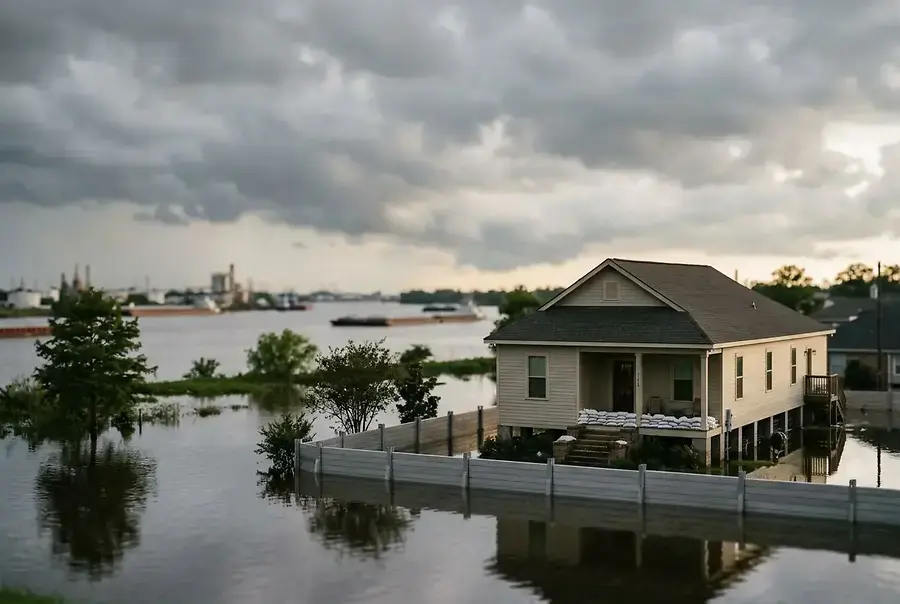
Understanding New Orleans Flood Risk and Insurance Requirements
New Orleans presents a unique challenge for homeowners when it comes to flood insurance. Located below sea level and surrounded by water bodies including Lake Pontchartrain, the Mississippi River, and various bayous, the city faces significant flood risks that make insurance not just advisable but often mandatory. If your property is in a high-risk flood zone and you have a mortgage, your lender will require you to carry flood insurance as a condition of the loan.
Understanding your property's flood risk zone is the first step in navigating insurance requirements. The Federal Emergency Management Agency (FEMA) designates flood zones based on historical data and projected flood risks. Properties in Special Flood Hazard Areas (SFHAs), typically labeled as zones A or V, face the highest risk and require mandatory flood insurance. Even if your property isn't in a designated high-risk zone, you may still benefit from coverage given New Orleans' vulnerability to hurricanes and heavy rainfall events.
Why Homeowners Insurance Isn't Enough
Many homeowners mistakenly believe their standard homeowners insurance policy covers flood damage. This is a critical misconception. Standard homeowners insurance explicitly excludes flood damage, making separate flood insurance essential. Flood insurance is a specialized product designed specifically to cover water damage from rising water, heavy rainfall, and storm surge—events that can devastate homes and finances without proper protection.
Types of Flood Insurance Coverage and Policy Options
National Flood Insurance Program (NFIP)
The National Flood Insurance Program is the primary source of flood insurance for most American homeowners, including those in New Orleans. Administered by FEMA, the NFIP offers standardized coverage with consistent rates across the country. Key features include:
- Coverage for building structures up to $250,000
- Personal property coverage up to $100,000
- Waiting periods of 30 days for new policies
- Availability in participating communities
The NFIP is particularly valuable for high-risk properties where private insurers may be reluctant to offer coverage. However, NFIP policies have limitations, including lower coverage limits and potential rate increases following major disasters.
Private Flood Insurance
In recent years, private flood insurance companies have emerged as alternatives to the NFIP. These insurers offer competitive rates and higher coverage limits, making them attractive for homeowners seeking more comprehensive protection. Private policies may include:
- Higher coverage limits for both structures and contents
- More flexible underwriting criteria
- Shorter waiting periods
- Additional coverage options like loss of use and additional living expenses
While private insurance can be more affordable for lower-risk properties, it may not be available or cost-effective for homes in the highest-risk zones. Comparing quotes from both NFIP and private insurers is essential to finding the best coverage for your situation.
Excess Flood Insurance
Excess flood insurance provides additional coverage above your primary flood policy limits. This option is particularly valuable for homeowners with significant property values or those seeking comprehensive protection. Excess policies can cover the gap between your primary coverage and the full replacement cost of your home.
Cost Factors and Ways to Reduce Your Premiums
What Determines Your Flood Insurance Rates
Several factors influence your flood insurance premiums in New Orleans:
- Flood Zone Designation: Properties in high-risk zones (A or V) pay significantly more than those in moderate or low-risk areas
- Elevation: Homes elevated above the base flood elevation receive lower rates
- Construction Type: Newer homes built to current standards may qualify for discounts
- Distance from Water: Properties farther from rivers, lakes, and bayous typically have lower premiums
- Coverage Limits: Higher coverage amounts result in higher premiums
Strategies to Lower Your Premiums
Elevation Improvements: One of the most effective ways to reduce flood insurance costs is to elevate your home above the base flood elevation. This substantial investment can result in significant premium reductions over time, making it a worthwhile consideration for long-term homeowners.
Mitigation Measures: Installing flood vents, sealing foundation cracks, and implementing proper drainage systems can reduce your risk profile. Some insurers offer discounts for homes with documented mitigation improvements.
Shop Around: Don't settle for the first quote you receive. Comparing rates from multiple insurers—both NFIP and private companies—can reveal substantial savings. Rates vary significantly between providers for the same property.
Bundle Policies: Some insurers offer discounts when you purchase flood insurance alongside your homeowners policy. Ask about bundling opportunities with your current insurance provider.
Maintain Good Records: Keeping detailed documentation of your home's condition, improvements, and maintenance can support claims and may help with future rate negotiations.
Understanding Deductibles and Coverage Limits
Choosing appropriate deductibles and coverage limits is crucial for balancing affordability with adequate protection. Standard deductibles range from $500 to $5,000, with higher deductibles resulting in lower premiums. However, ensure your deductible is an amount you can comfortably pay out-of-pocket in the event of a claim.
Remember: The cheapest policy isn't always the best policy. Ensure your coverage limits adequately reflect your home's replacement cost and your personal financial situation.
Conclusion: Making Informed Decisions About Your Home Protection
Protecting your New Orleans home from flood damage requires careful consideration of your property's specific risk factors, available coverage options, and financial circumstances. Whether you choose NFIP coverage, private flood insurance, or a combination of both, the key is ensuring you have adequate protection in place.
Start by obtaining a flood zone determination for your property and reviewing your current insurance coverage. Request quotes from multiple insurers and carefully compare coverage limits, deductibles, and exclusions. Consider investing in mitigation improvements that can both reduce your premiums and enhance your home's resilience to flooding.
Your home is likely your most valuable asset—protect it accordingly. By taking the time to understand your flood insurance options and making informed decisions, you can secure peace of mind knowing your investment is protected against New Orleans' unique flood risks.