Navigating Property Inspections: What Every Buyer Needs to Know
Discover the critical inspection process that protects your residential investment before closing.

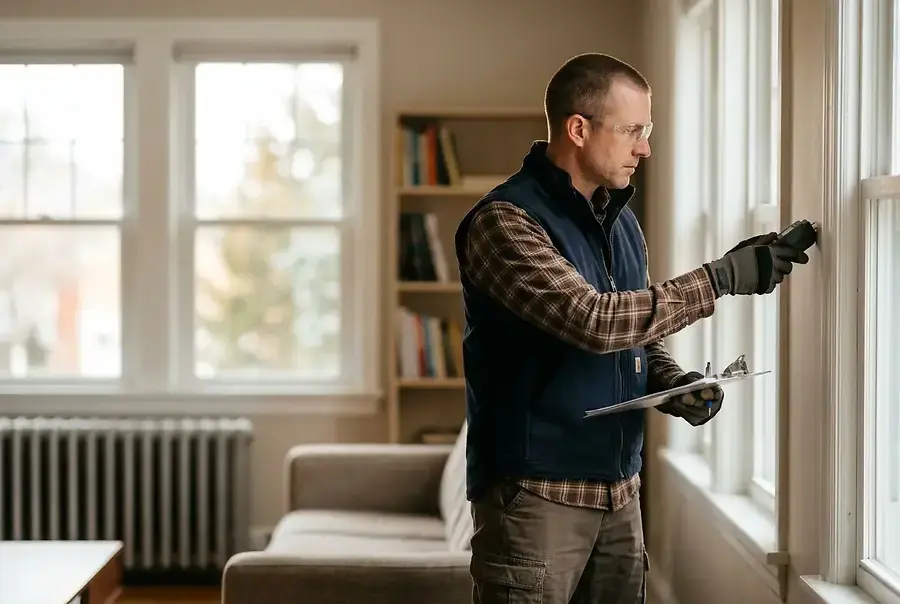
Why Property Inspections Matter in Residential Purchases
Purchasing a home is one of the most significant financial decisions you'll make in your lifetime. A professional property inspection is your safeguard against hidden defects and costly surprises after closing. Unlike the appraisal, which determines the home's market value, an inspection evaluates the physical condition of the property and identifies potential problems that could affect your safety, comfort, and investment.
Many first-time homebuyers underestimate the importance of a thorough inspection. An inspection report can reveal issues ranging from minor cosmetic concerns to major structural problems that might require thousands of dollars in repairs. By understanding what inspectors look for and how to interpret their findings, you empower yourself to negotiate repairs, request credits, or make an informed decision about whether to proceed with the purchase.
The inspection process typically occurs after your offer is accepted but before the final closing. This timing gives you the opportunity to address concerns while you still have leverage in the transaction.
What Inspectors Look For: Key Systems and Structural Components
Structural Integrity
Inspectors begin by examining the home's foundation, walls, and roof structure. They look for signs of settling, cracks, water damage, and structural movement. A compromised foundation can be one of the most expensive problems to repair, making this assessment critical to your decision-making process.
Roofing and Exterior
The roof protects everything beneath it, so inspectors evaluate its age, condition, and remaining lifespan. They also examine siding, windows, doors, gutters, and drainage systems. These exterior components shield your home from weather damage and water intrusion.
Plumbing Systems
Inspectors test water pressure, check for leaks, examine pipe materials, and assess the water heater's condition. They also verify that the home has proper drainage and that septic systems (if applicable) are functioning correctly. Plumbing issues can lead to water damage and mold growth if left unaddressed.
Electrical Systems
A thorough electrical inspection includes checking the panel, outlets, switches, and wiring. Inspectors look for outdated systems, improper installations, and safety hazards. Older homes may have aluminum wiring or insufficient grounding, which pose fire risks.
HVAC Systems
The heating, ventilation, and air conditioning system is essential for comfort and air quality. Inspectors evaluate the furnace or heat pump, air conditioning unit, ductwork, and thermostat. They assess whether the system is appropriately sized for the home and functioning efficiently.
Interior Components
Inspectors examine walls, ceilings, floors, doors, and windows for damage, moisture, and proper operation. They also check insulation levels, ventilation, and overall interior condition. This assessment helps identify cosmetic issues versus structural concerns.
Common Issues Found and How to Address Them
Water Damage and Moisture Problems
Water intrusion is one of the most frequently discovered issues in home inspections. Signs include stains on ceilings or walls, soft spots in flooring, and musty odors. Addressing moisture problems promptly prevents mold growth and structural deterioration. Common sources include roof leaks, poor drainage, and plumbing issues.
When water damage is found, request that the seller:
- Repair the source of the leak
- Provide documentation of remediation work
- Offer a credit toward repairs if damage is minor
Outdated or Failing Systems
Older homes often have aging electrical panels, plumbing, or HVAC systems nearing the end of their lifespan. While age alone doesn't mean replacement is immediately necessary, you should budget for eventual upgrades. Request inspection reports from licensed contractors to estimate replacement costs.
Roof Issues
Roof problems range from missing shingles to structural damage. If the inspector identifies significant issues, obtain a separate roofing estimate. Many sellers will negotiate roof repairs or provide credits rather than undertake the work themselves.
Foundation Concerns
Minor cracks are common and often not serious, but significant cracks, bowing walls, or signs of movement require professional evaluation. A structural engineer can determine whether issues are cosmetic or require repair. Foundation problems are serious negotiating points in any transaction.
Pest Infestations
While general inspectors note signs of pests, a specialized pest inspection provides detailed assessment. Termite damage, rodent infestations, and other pest problems can be costly to address. Request that the seller treat infestations and provide warranties for the work.
Using Inspection Results to Make Informed Buying Decisions
Once you receive the inspection report, you have several options:
- Request repairs: Ask the seller to fix significant issues before closing
- Negotiate credits: Request a reduction in the purchase price to cover repair costs
- Request inspections by specialists: For major concerns, hire licensed contractors to provide detailed assessments and repair estimates
- Walk away: If issues are extensive and costly, you may choose to terminate the purchase
Prioritize your concerns. Focus negotiations on major structural, safety, and system issues rather than minor cosmetic problems. A roof that needs replacement in five years is less urgent than a foundation with active water intrusion.
Review the inspection report carefully with your real estate agent. They can help you understand which issues are typical for the home's age and which represent genuine problems. Consider obtaining repair estimates from licensed contractors to support your negotiations.
Remember that no home is perfect. The goal of an inspection isn't to find a flawless property but to identify issues that affect safety, functionality, and value. Armed with this knowledge, you can make confident decisions that protect your investment and ensure you're getting fair value for your money.
A professional home inspection is an investment in peace of mind. The cost of an inspection—typically $300 to $500—is minimal compared to the potential savings from identifying major problems before you commit to the purchase.


