Navigating Property Investment in Central Virginia's Diverse Markets
Discover why Charlottesville, Staunton, and surrounding communities offer unique opportunities for both residential and commercial real estate investors.

Understanding the Central Virginia Real Estate Landscape: Market Overview and Growth Trends
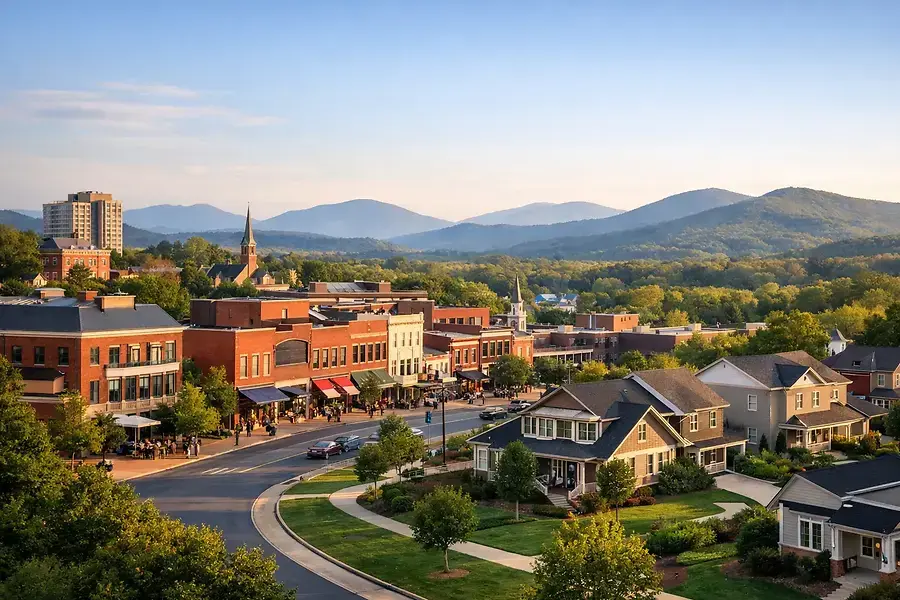
Central Virginia has emerged as one of the most dynamic real estate markets in the region, attracting investors from across the country. The area, anchored by Charlottesville and extending through charming communities like Staunton, Harrisonburg, and Waynesboro, offers a compelling blend of economic growth, cultural vitality, and natural beauty.
The market has experienced steady appreciation over recent years, driven by several key factors. Population growth continues to fuel demand for both residential and commercial properties. The presence of the University of Virginia in Charlottesville creates a consistent demand for student housing and rental properties, while the broader region benefits from remote work trends that have made Central Virginia an attractive destination for professionals seeking quality of life.
Economic diversification is another strength of the region. Beyond education, Central Virginia boasts growing sectors in healthcare, technology, agriculture, and tourism. This diversification reduces market volatility and creates multiple investment opportunities across different property types and locations.
Key Market Indicators
Recent trends show:
- Steady year-over-year property value appreciation in residential markets
- Increased commercial real estate activity in downtown revitalization projects
- Growing demand for mixed-use developments that combine residential and retail spaces
- Rising interest in vacation rental properties due to tourism growth
Residential vs. Commercial Properties: Which Investment Strategy Fits Your Goals
Choosing between residential and commercial property investment requires understanding your financial goals, risk tolerance, and available capital. Each strategy offers distinct advantages and challenges.
Residential Property Investment
Residential properties include single-family homes, multi-family units, condominiums, and townhouses. This sector appeals to many investors because:
- Stable rental income: Residential properties typically generate consistent monthly rental revenue
- Lower entry barriers: Residential properties often require less capital than commercial investments
- Easier financing: Banks and lenders offer more favorable terms for residential mortgages
- Appreciation potential: Long-term property value growth provides wealth building opportunities
- Tax benefits: Mortgage interest and property expenses are often tax-deductible
In Central Virginia, residential properties near the University of Virginia command premium rental rates, while single-family homes in emerging neighborhoods offer excellent appreciation potential.
Commercial Property Investment
Commercial properties encompass office buildings, retail spaces, industrial facilities, and mixed-use developments. This category suits investors seeking:
- Higher income potential: Commercial leases typically generate greater returns than residential rentals
- Longer lease terms: Commercial tenants often sign multi-year agreements, providing income stability
- Professional management: Commercial properties are typically managed by property management companies
- Diversification: Multiple tenants reduce vacancy risk in larger properties
Downtown revitalization efforts in Charlottesville and Staunton have created excellent opportunities for commercial investors, particularly in adaptive reuse projects that convert historic buildings into modern office and retail spaces.
Choosing Your Strategy
Consider your situation: If you prefer hands-on involvement and have moderate capital, residential investment may suit you. If you seek passive income and have substantial capital, commercial properties might be more appropriate. Many successful investors maintain a diversified portfolio combining both residential and commercial properties.
Key Markets to Watch: From Charlottesville's Urban Appeal to Staunton's Historic Charm and Beyond
Charlottesville: The Urban Hub
Charlottesville remains Central Virginia's largest market and economic engine. The city offers:
- Strong job market anchored by the University of Virginia and UVA Medical Center
- Vibrant downtown district with ongoing revitalization projects
- Growing tech and startup ecosystem
- Excellent schools and cultural amenities
Investment focus: Student housing, downtown lofts, and mixed-use developments near the downtown mall area.
Staunton: Historic Charm Meets Modern Growth
Staunton, located in the Shenandoah Valley, has undergone remarkable transformation. The city's historic downtown, featuring Victorian-era architecture, has attracted artists, entrepreneurs, and tourists. This creates unique opportunities:
- Adaptive reuse projects converting historic buildings into apartments and offices
- Growing tourism industry supporting vacation rental investments
- Lower property prices compared to Charlottesville, offering better entry points
- Strong community development initiatives
Investment focus: Historic property renovations, vacation rentals, and boutique commercial spaces.
Emerging Markets: Harrisonburg and Waynesboro
These communities offer excellent value for investors seeking growth potential. Harrisonburg, home to James Madison University, mirrors Charlottesville's student housing demand. Waynesboro, positioned along the Blue Ridge Parkway, benefits from tourism and outdoor recreation appeal.
Making Your Move: Essential Steps to Success as a Property Investor in Central Virginia
Step 1: Conduct Thorough Market Research
Before investing, understand local market conditions. Research: property values, rental rates, vacancy rates, employment trends, and demographic shifts. Connect with local real estate professionals who can provide insider knowledge about specific neighborhoods and emerging opportunities.
Step 2: Define Your Investment Strategy
Clarify your objectives: Are you seeking monthly cash flow, long-term appreciation, or both? Will you actively manage properties or hire professional management? Your answers will guide property selection and financing decisions.
Step 3: Secure Appropriate Financing
Explore financing options including traditional mortgages, portfolio loans, and investment property loans. Work with lenders experienced in investment properties. Compare interest rates, terms, and down payment requirements. Strong credit and financial reserves strengthen your negotiating position.
Step 4: Build Your Team
Successful investors surround themselves with professionals:
- Real estate agents: Local experts who understand market nuances
- Property inspectors: Identify potential issues before purchase
- Accountants: Maximize tax benefits and manage finances
- Property managers: Handle day-to-day operations and tenant relations
- Attorneys: Ensure legal compliance and protect your interests
Step 5: Analyze Deals Carefully
Use financial metrics to evaluate properties objectively. Calculate cash-on-cash return, cap rate, and cash flow projections. Don't let emotions drive decisions. A property may be beautiful but unprofitable as an investment.
Step 6: Plan for the Long Term
Real estate investment rewards patience. Plan to hold properties for at least 5-10 years to maximize appreciation and tax benefits. Maintain properties well, manage tenants professionally, and adjust your strategy as market conditions evolve.
Step 7: Stay Informed and Adapt
Real estate markets change. Continue learning about local trends, regulatory changes, and investment strategies. Attend local real estate investment meetings, read industry publications, and maintain relationships with your professional team.
Central Virginia's diverse markets offer something for every investor—whether you're seeking stable residential income or higher-return commercial opportunities. Success requires research, planning, and professional guidance, but the region's strong fundamentals make it an excellent choice for building real estate wealth.