Navigating Property Taxes and Assessments in Ascension Parish
Understand how property valuations work and what to expect when buying or selling residential real estate in our local communities.

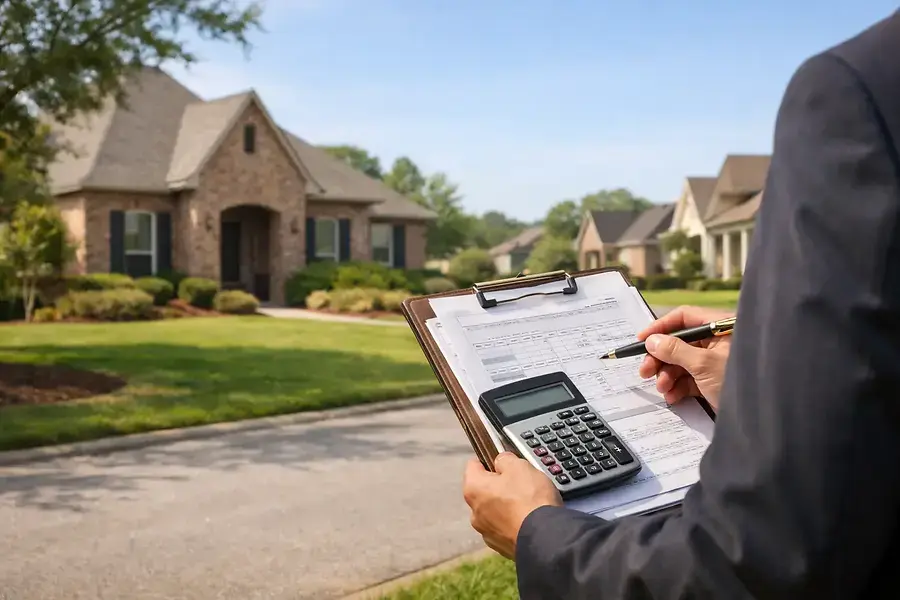
Why Property Taxes Matter in Ascension Parish
Property taxes are a fundamental aspect of homeownership that many first-time buyers overlook until they receive their first assessment notice. In Ascension Parish, understanding how these taxes work is crucial for making informed decisions about residential real estate investments. Property taxes fund essential services that directly impact your community, including public schools, infrastructure maintenance, emergency services, and local government operations.
Whether you're purchasing your first home in Batchelor, upgrading to a larger property in Prairieville, or downsizing in Walker, property tax considerations should play a significant role in your financial planning. The difference between tax rates across our local communities can amount to thousands of dollars over the life of your mortgage, making it essential to understand the factors that influence these assessments.
How Property Assessments Are Calculated and What Affects Your Taxes
The Assessment Process
Property assessments in Ascension Parish begin with the Assessor's Office, which evaluates residential properties to determine their fair market value. This valuation forms the basis for calculating your annual property tax bill. The assessment process involves trained professionals who examine various characteristics of your property to arrive at an accurate valuation.
Key Factors That Influence Your Assessment
Several factors significantly impact how your property is assessed:
- Property Size and Square Footage: Larger homes typically have higher assessments, though the relationship isn't always linear. A 2,500 square foot home may not be assessed at exactly double the value of a 1,250 square foot home.
- Lot Size: The amount of land your property sits on directly affects its value. Properties with larger lots in desirable areas command higher assessments.
- Age and Condition: Newer homes or recently renovated properties generally receive higher assessments than older homes in need of repairs.
- Location and Neighborhood: Properties in established neighborhoods with good schools and amenities typically have higher assessments than those in developing areas.
- Improvements and Upgrades: Additions like pools, decks, updated kitchens, and modern HVAC systems can increase your property's assessed value.
- Market Conditions: The local real estate market influences assessments. During periods of rising property values, assessments tend to increase accordingly.
Understanding Your Assessment Notice
When you receive your property assessment notice, it will include the assessed value of your property. This value is then multiplied by the millage rate (the tax rate) to determine your annual property tax bill. It's important to review this notice carefully and verify that the property information listed is accurate. Errors in square footage, lot size, or property features can result in an inflated assessment.
The Appeal Process
If you believe your property has been assessed unfairly, Ascension Parish provides an appeal process. You can file a formal appeal with the Assessor's Office, presenting evidence such as recent appraisals, comparable sales data, or documentation of property defects. Many homeowners successfully reduce their assessments through this process by providing compelling evidence of overvaluation.
Comparing Tax Rates Across Ascension Parish Communities
Understanding Millage Rates
Property tax rates in Ascension Parish vary by location because different municipalities and school districts have different funding needs. The millage rate represents the amount of tax per $1,000 of assessed property value. A millage rate of 50 mills means you pay $50 in taxes for every $1,000 of assessed value.
Tax Rate Variations by Community
Batchelor and surrounding rural areas typically have lower millage rates compared to more developed communities, which can result in lower property tax bills for comparable homes. However, this may reflect differences in available services and infrastructure.
Baton Rouge properties within Ascension Parish boundaries may have different tax considerations due to the proximity to the state capital and varying school district assessments. Properties in this area often command higher market values, which can offset lower millage rates.
Denham Springs has experienced significant growth and development, which can influence both property values and tax rates. The community's infrastructure improvements and school system funding needs may result in moderate to higher millage rates.
Gonzales, as the parish seat, maintains established infrastructure and services. Property tax rates here reflect the cost of maintaining these community amenities and services.
Prairieville has seen rapid residential expansion, attracting families seeking newer homes and modern amenities. This growth can influence assessment values and tax rates in the area.
Walker offers a mix of established and developing neighborhoods. Tax rates may vary depending on which part of Walker your property is located in and which school district serves your address.
Calculating Your Potential Tax Bill
To estimate your property tax bill, multiply your property's assessed value by the applicable millage rate and divide by 1,000. For example, if your home is assessed at $250,000 and your millage rate is 45 mills, your annual tax would be approximately $11,250. Remember that this is a simplified calculation and actual bills may include additional assessments or exemptions.
Making Informed Decisions About Your Residential Investment
Property taxes should be an integral part of your real estate decision-making process. When comparing homes in different Ascension Parish communities, factor in not just the purchase price but also the long-term tax implications. A home that appears affordable in one community might have significantly higher annual tax obligations than a comparable property elsewhere.
Consider these strategies to manage your property tax burden:
- Research homestead exemptions and other tax relief programs you may qualify for
- Review your assessment annually and file appeals if you believe it's inaccurate
- Factor property taxes into your overall budget when determining how much home you can afford
- Consult with a local real estate professional who understands tax variations across communities
- Keep documentation of home improvements for potential assessment adjustments
Understanding property taxes and assessments empowers you to make smarter decisions about where to buy and how much to invest in residential real estate throughout Ascension Parish. By taking time to research rates, understand the assessment process, and explore your options across different communities, you'll be better positioned to find a property that fits both your lifestyle and your financial goals.