Navigating Property Taxes and Assessments in Lewes, Delaware
A practical guide to calculating, managing, and reducing your annual property tax burden as a Lewes homeowner.

Introduction: Why Property Taxes Matter for Lewes Homeowners
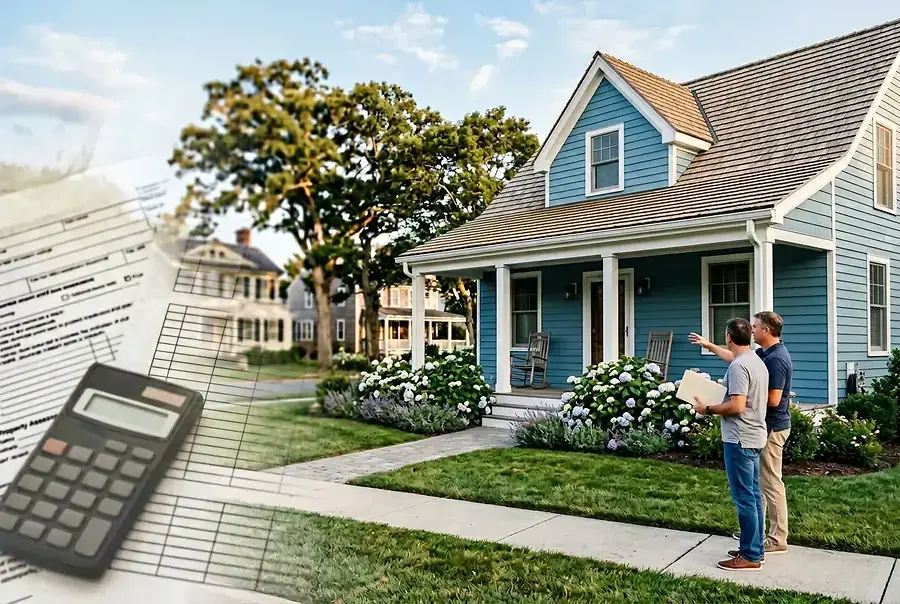
Property taxes are one of the largest ongoing expenses for homeowners in Lewes, Delaware. Understanding how these taxes work and what you can do to manage them effectively is crucial for maintaining a healthy financial situation. Whether you're a long-time resident or a recent transplant to this charming coastal community, getting a handle on your property tax obligations can save you thousands of dollars over the years.
Many homeowners view property taxes as a fixed expense they simply must accept. However, this couldn't be further from the truth. With the right knowledge and proactive approach, you can significantly reduce your tax burden while ensuring you're paying only what you legally owe. This guide will walk you through the essentials of property taxation in Delaware and provide actionable strategies to help you take control of your finances.
How Property Taxes Are Calculated in Delaware
Understanding the Assessment Process
Property taxes in Delaware are calculated based on the assessed value of your home, which is determined by the Delaware Department of Assessment. The assessment process begins with a professional evaluation of your property's market value. This assessment considers factors such as:
- The size and square footage of your home
- The age and condition of the structure
- Recent comparable sales in your neighborhood
- Lot size and location
- Improvements and upgrades you've made
The Tax Rate Formula
Once your property is assessed, your annual tax bill is calculated using a straightforward formula: Assessed Value × Tax Rate = Annual Property Tax. In Sussex County, where Lewes is located, the tax rate varies depending on your specific location and the services provided to your property. Understanding your local tax rate is essential for budgeting and planning.
Homestead Property Tax Exemption
Delaware offers a valuable benefit for homeowners: the Homestead Property Tax Exemption. If you qualify, you can receive a significant reduction on your assessed value. To be eligible, you must:
- Own and occupy the property as your primary residence
- Have owned the property for at least three years (with some exceptions)
- Meet certain income requirements
This exemption can reduce your assessed value by up to $125,000, which translates to substantial annual savings for many Lewes homeowners.
Strategies to Lower Your Property Tax Liability
Apply for Available Exemptions and Credits
Beyond the Homestead Exemption, Delaware offers several other tax relief programs. Senior citizens, disabled individuals, and veterans may qualify for additional exemptions. Additionally, if you've made energy-efficient improvements to your home, you might be eligible for tax credits. Take time to research all available programs—you may be leaving money on the table by not applying.
Challenge Your Property Assessment
If you believe your property has been overassessed, you have the right to challenge the assessment. This is one of the most effective ways to reduce your tax burden. Here's how to proceed:
- Review your assessment notice carefully when it arrives
- Compare your assessment to similar properties in your neighborhood
- Gather evidence such as recent appraisals, inspection reports, or documentation of property damage
- File a formal appeal with the Delaware Department of Assessment within the specified timeframe
- Attend the hearing prepared to present your case professionally
Many homeowners successfully reduce their tax bills through this process, making it well worth the effort.
Make Strategic Home Improvements
While it might seem counterintuitive, certain home improvements can actually help you manage your tax burden. Energy-efficient upgrades like solar panels, new windows, and improved insulation not only reduce your utility bills but may also qualify you for tax credits. However, be strategic about major renovations—significant improvements will increase your assessed value and subsequently your taxes.
Stay Informed About Tax Law Changes
Delaware's tax laws and exemption programs change periodically. By staying informed about these changes, you can take advantage of new opportunities to reduce your tax liability. Subscribe to updates from the Delaware Department of Assessment and consult with a local tax professional who specializes in property taxes.
Consider Professional Tax Assistance
If your situation is complex or you're unsure about your options, hiring a property tax consultant or attorney can be a worthwhile investment. These professionals can identify opportunities you might miss and represent you in appeals, potentially saving you far more than their fees cost.
Conclusion: Taking Control of Your Tax Obligations
Property taxes don't have to be a source of stress or financial hardship for Lewes homeowners. By understanding how your taxes are calculated and taking advantage of available exemptions and strategies, you can significantly reduce your annual burden. The key is to be proactive and informed.
Start by reviewing your current assessment, exploring available exemptions, and considering whether an appeal might be warranted. Remember that you have rights as a property owner, and the system is designed to ensure fair taxation. With the strategies outlined in this guide, you're well-equipped to navigate the property tax landscape in Lewes and keep more money in your pocket where it belongs.
Take action today—your future self will thank you for the effort.


