Navigating Property Taxes and Fees in Antelope Valley Communities
Understand the complete cost breakdown of home ownership across Lancaster, Palmdale, and surrounding desert communities.

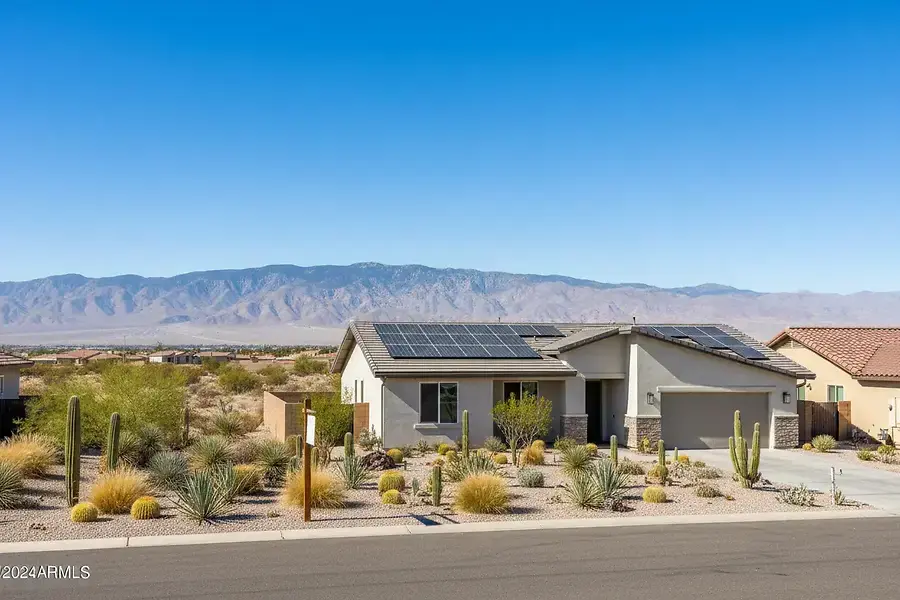
Understanding Antelope Valley Property Tax Rates and Assessments
Owning a home in Antelope Valley communities like Lancaster and Palmdale comes with various financial responsibilities beyond your mortgage payment. One of the most significant ongoing costs is property taxes, which fund local schools, infrastructure, and public services throughout the region.
In California, property taxes are assessed at approximately 1% of the assessed property value, though this rate can vary slightly depending on local bonds and special assessments. The Antelope Valley benefits from competitive property values compared to coastal California, which means lower absolute tax amounts for many homeowners. However, understanding how your property is assessed is crucial for budgeting purposes.
How Property Assessments Work
The county assessor determines your property's assessed value based on recent comparable sales in your area. When you purchase a home, the assessed value is typically set at your purchase price. Over time, assessments can increase by up to 2% annually, even if your home's market value fluctuates. This predictable increase helps with long-term financial planning.
It's important to note that property tax bills are typically paid twice yearly in California, with payments due in December and April. Many homeowners choose to include property taxes in their monthly mortgage payments through escrow accounts, making budgeting more manageable.
How HOA Fees and Special Assessments Impact Your Monthly Budget
Many Antelope Valley communities, particularly newer developments in Lancaster and Palmdale, feature homeowners associations (HOAs) that maintain common areas and enforce community standards. These fees represent a significant monthly expense that varies considerably depending on the community.
Understanding HOA Fee Structures
HOA fees in Antelope Valley typically range from $150 to $400 monthly, depending on the amenities and services provided. Communities with extensive amenities like pools, fitness centers, and landscaped common areas tend toward the higher end of this spectrum. Before purchasing a home, always review the HOA's financial statements and reserve fund status to ensure the community is well-maintained.
- Basic HOA fees cover common area maintenance and insurance
- Premium fees include amenities like pools, clubhouses, and fitness facilities
- Special assessment fees fund major repairs or improvements
- Architectural review fees may apply for home modifications
Special Assessments and Capital Improvements
Beyond regular HOA fees, homeowners may face special assessments for major community projects such as roof replacements, parking lot repairs, or infrastructure upgrades. These assessments can range from a few hundred to several thousand dollars, appearing as unexpected expenses. Always ask your real estate agent about pending special assessments before making an offer on a property.
Hidden Costs: Insurance, Utilities, and Maintenance in High Desert Homes
The high desert climate of Antelope Valley creates unique financial considerations for homeowners that extend beyond traditional property taxes and HOA fees.
Homeowners Insurance in the Desert
Desert properties in Lancaster and Palmdale face specific insurance considerations, including wildfire risk and dust storms. Homeowners insurance premiums in the Antelope Valley typically range from $1,000 to $1,500 annually, though properties in higher-risk areas may pay more. It's essential to maintain adequate coverage and review your policy annually to ensure you're protected against regional hazards.
Utility Costs in High Desert Communities
The Antelope Valley's extreme temperatures—scorching summers and cold winters—significantly impact utility bills. Summer cooling costs can be substantial, with many households spending $200-$300 monthly on electricity during peak months. Winter heating, while less intensive than coastal areas, still contributes to annual utility expenses.
- Summer air conditioning: $200-$300+ monthly
- Winter heating: $80-$150 monthly
- Water usage: $50-$100 monthly (varies by consumption)
- Gas and other utilities: $30-$60 monthly
Maintenance and Repair Considerations
Desert living requires specific maintenance attention. The high desert climate accelerates wear on roofing materials, HVAC systems, and exterior surfaces. Budget approximately 1-2% of your home's value annually for maintenance and repairs. Common desert-related expenses include:
- HVAC system maintenance and repairs
- Roof inspections and repairs due to UV exposure
- Landscaping and irrigation system upkeep
- Window and seal replacements from temperature fluctuations
- Dust and debris cleanup
Smart Budgeting Strategies for Long-Term Homeownership Success
Successfully managing homeownership costs in Antelope Valley requires strategic planning and awareness of all financial obligations.
Creating a Comprehensive Budget
Start by listing all housing-related expenses: mortgage payment, property taxes, HOA fees, insurance, utilities, and estimated maintenance costs. Add these together to determine your true monthly housing expense. Many financial advisors recommend that total housing costs not exceed 28-30% of your gross monthly income.
Building an Emergency Fund
Establish a dedicated emergency fund for unexpected repairs and special assessments. Aim to save 3-6 months of housing expenses in an easily accessible account. This cushion protects you from financial stress when major repairs arise, such as HVAC replacement or roof repairs.
Maximizing Tax Benefits
Don't overlook potential tax deductions available to homeowners. Mortgage interest and property taxes may be deductible on your federal income tax return, depending on your circumstances. Consult with a tax professional to ensure you're taking advantage of all available benefits.
Regular Financial Reviews
Review your homeownership budget annually. Property tax assessments may increase, utility rates change, and HOA fees often rise. By staying informed and adjusting your budget accordingly, you'll maintain financial stability throughout your homeownership journey in Antelope Valley.
Key Takeaway: Understanding the complete financial picture of homeownership—including property taxes, HOA fees, insurance, utilities, and maintenance—enables you to make informed decisions and budget effectively for long-term success in Antelope Valley communities.


