Navigating Property Taxes in Cook County's Residential Communities
Understand how property taxes work across Homewood, Chicago, and Blue Island to make informed real estate decisions.

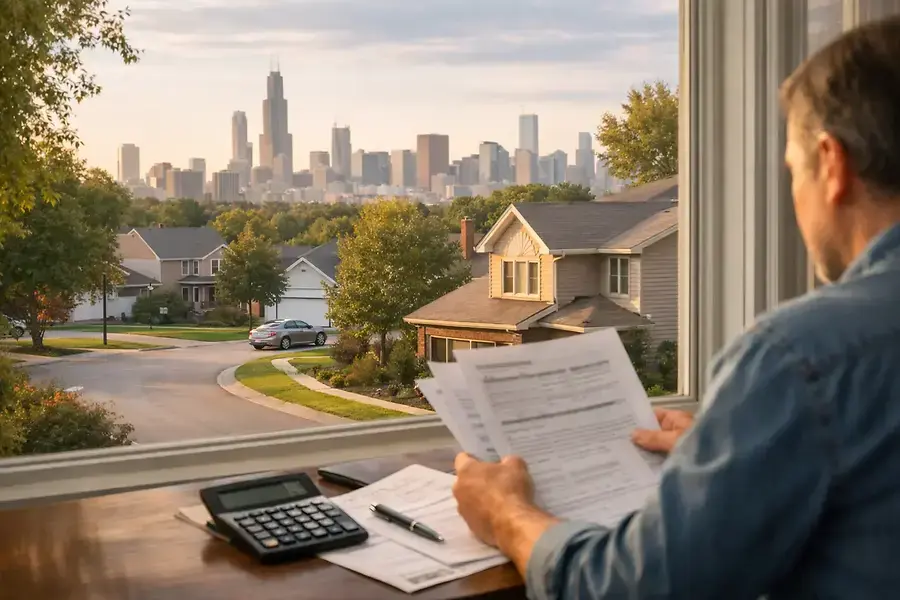
Property Tax Fundamentals in Cook County
Property taxes are one of the most significant ongoing costs for homeowners in Cook County, yet many residents don't fully understand how they work or what factors influence their annual bills. Whether you're buying your first home in Homewood, investing in Chicago's diverse neighborhoods, or considering Blue Island's residential appeal, understanding property tax mechanics is essential for making informed financial decisions.
Cook County property taxes fund critical services including schools, infrastructure, emergency services, and local government operations. Unlike income taxes, which are progressive, property taxes are based on the assessed value of your home and the tax rates set by various taxing bodies in your area. This means your tax bill directly reflects both your property's worth and the collective needs of your community.
How Property Taxes Are Calculated and Assessed Across Different Communities
The Assessment Process
The Cook County Assessor's office determines the assessed value of your property, which serves as the foundation for your tax calculation. This assessment is typically one-third of the property's fair market value, though this ratio can vary. The assessor evaluates your home's characteristics, including:
- Square footage and lot size
- Age and condition of the structure
- Number of bedrooms and bathrooms
- Recent renovations or improvements
- Comparable sales in your neighborhood
Tax Rate Calculation
Once your property is assessed, your tax bill is calculated by multiplying the assessed value by the tax rate set by your municipality and all applicable taxing bodies. In Cook County, your property may be subject to taxes from multiple entities:
- Municipal government
- School districts
- Park districts
- Library systems
- Special service areas
Each entity sets its own tax rate, which is why understanding your specific location's tax structure is crucial.
Comparing Tax Rates and Costs Between Homewood, Chicago, and Blue Island Neighborhoods
Homewood
Homewood, located in the southern suburbs, typically offers more moderate property tax rates compared to Chicago proper. The village benefits from a stable residential base and strong school system, which attracts families seeking suburban living. Property taxes in Homewood generally range from 1.2% to 1.4% of assessed value annually, making it an attractive option for budget-conscious homebuyers.
Chicago
Chicago's property tax landscape is more complex due to the city's size and diverse neighborhoods. The city has one of the highest effective property tax rates in the nation, with rates typically ranging from 1.5% to 2.0% of assessed value. However, Chicago offers significant variation by neighborhood:
- Downtown and Near North Side: Higher property values but competitive tax rates
- South and West Side: Lower property values with varying tax rates
- Emerging neighborhoods: Increasing property values with moderate tax rates
Chicago residents also benefit from various tax exemptions and programs, including the Homeowner Exemption, which can reduce your assessed value by up to $10,000.
Blue Island
Blue Island, another south suburban community, offers tax rates similar to Homewood, typically ranging from 1.1% to 1.3% of assessed value. The village maintains a strong sense of community and reasonable tax burden, making it appealing to families and retirees alike.
Strategies to Manage and Reduce Your Residential Property Tax Burden
File for Exemptions and Abatements
Cook County offers several exemptions that can significantly reduce your tax bill:
- Homeowner Exemption: Available to owner-occupied homes, reducing assessed value
- Senior Exemption: For homeowners age 65 and older
- Disabled Person Exemption: For qualifying individuals
- Veteran Exemption: For eligible military veterans
Make sure you apply for all exemptions you qualify for, as they don't apply automatically.
Challenge Your Assessment
If you believe your property has been over-assessed, you have the right to challenge the assessment. File an appeal with the Cook County Board of Review if you can demonstrate that your assessed value exceeds fair market value or that comparable properties are assessed lower. Many homeowners successfully reduce their tax burden through this process.
Monitor Your Property's Value
Stay informed about your property's assessed value and recent reassessments. The Cook County Assessor conducts periodic reassessments, and understanding when your property will be reassessed helps you plan financially. Keep records of home improvements and maintenance to support any appeals.
Consider Tax-Advantaged Improvements
While home improvements increase your property's value, some upgrades may qualify for tax incentives or abatements. Research local programs that encourage energy-efficient upgrades or historic preservation, as these may offer tax benefits.
Work with Professionals
Consider consulting with a property tax attorney or tax consultant who specializes in Cook County assessments. These professionals can identify opportunities for tax reduction and represent you in appeals, often saving you more than their fees cost.
Making Property Tax Part of Your Home Buying Strategy
When evaluating homes in Cook County, don't focus solely on purchase price. Calculate the total cost of ownership by factoring in estimated annual property taxes. A home that appears affordable may become expensive when property taxes are considered.
Property taxes are a permanent part of homeownership—understanding them upfront prevents financial surprises down the road.
Research each community's tax rates, school district quality, and local services before making your decision. Compare properties across Homewood, Chicago, and Blue Island not just by price, but by total tax burden and the services those taxes fund.
By understanding how property taxes work and implementing strategies to manage them, you can make more informed real estate decisions and build long-term financial stability in Cook County's residential communities.


