Navigating Property Taxes in Northern Virginia Residential Markets
A practical guide to understanding assessment, appeals, and long-term tax planning for homeowners in Fairfax, Arlington, and Alexandria.

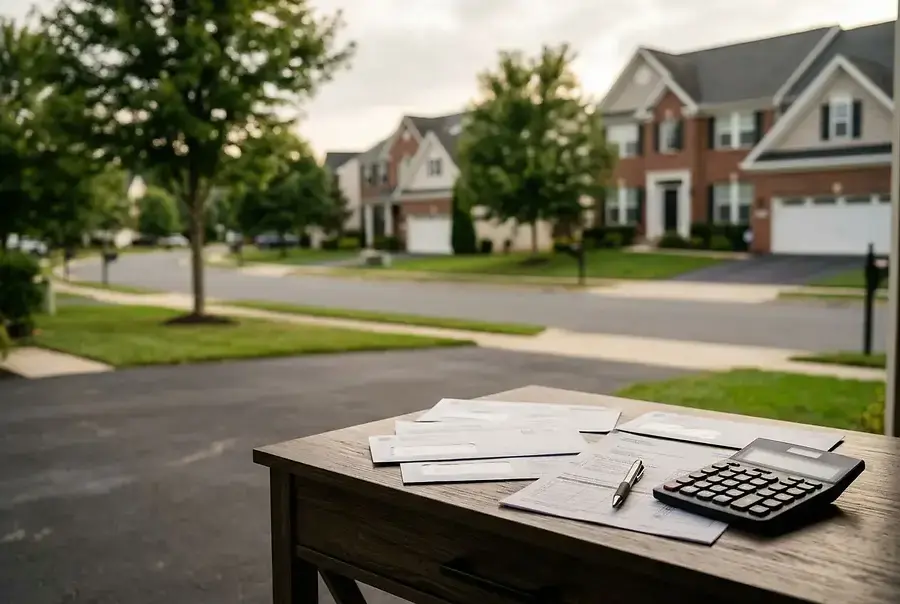
Why Property Taxes Matter for Northern Virginia Homeowners
Property taxes represent one of the largest ongoing expenses for homeowners in Northern Virginia. Whether you own a home in Fairfax, Arlington, or Alexandria, understanding how these taxes work is essential for protecting your financial interests and making informed decisions about your real estate investment.
The Northern Virginia real estate market has experienced significant growth and appreciation over the years. While this is positive for home values, it also means property tax assessments can increase substantially, sometimes catching homeowners off guard. By understanding the assessment process and your rights as a property owner, you can take proactive steps to manage your tax burden effectively.
Understanding Tax Assessments and How They're Calculated Locally
The Assessment Process in Northern Virginia
Property tax assessments in Northern Virginia are conducted by local assessors in each jurisdiction. These professionals evaluate your property's characteristics, including:
- Square footage and lot size – The physical dimensions of your home and land
- Age and condition – How well-maintained your property is and its structural integrity
- Recent sales data – Comparable properties sold in your area
- Improvements and upgrades – Renovations, additions, or new features
- Location and neighborhood factors – Proximity to schools, amenities, and market demand
How Tax Rates Are Applied
Once your property is assessed, the local tax rate is applied to determine your annual tax bill. In Northern Virginia, tax rates vary by jurisdiction:
- Fairfax County typically has competitive rates compared to surrounding areas
- Arlington County generally has higher tax rates but offers excellent schools and services
- Alexandria maintains its own assessment and tax structure as an independent city
Understanding your specific jurisdiction's rate and assessment methodology is crucial for accurate tax planning.
Common Assessment Errors to Watch For
Assessors are human and mistakes happen. Common errors include:
- Incorrect square footage measurements
- Misclassification of property features or improvements
- Failure to account for property damage or deterioration
- Inaccurate lot size calculations
- Errors in comparable property analysis
Reviewing your assessment notice carefully is the first step in identifying potential errors.
Strategies for Appealing Assessments and Reducing Your Tax Burden
When and How to File an Appeal
If you believe your property assessment is inaccurate, you have the right to appeal. Each Northern Virginia jurisdiction has specific deadlines and procedures:
- Review your assessment notice – Understand the assessed value and the basis for it
- Gather supporting documentation – Collect evidence such as recent appraisals, comparable sales data, and property condition photos
- Meet the filing deadline – Appeals must typically be filed within a specific timeframe after the assessment notice is issued
- Prepare your case – Organize your evidence and be ready to present your argument clearly
- Attend the hearing – Present your case to the assessment review board or appeals officer
Building a Strong Appeal Case
A successful appeal requires solid evidence. Consider these approaches:
Comparable Sales Analysis: Research recent sales of similar properties in your neighborhood. If comparable homes sold for less than your assessed value, this strengthens your case significantly.
Professional Appraisal: While costly, an independent appraisal from a certified appraiser carries substantial weight in appeals. This is particularly useful if your home has unique characteristics or recent damage.
Property Condition Documentation: Photograph and document any issues affecting your home's value, such as foundation problems, roof damage, or outdated systems. These factors should be reflected in your assessment.
Market Analysis: Provide evidence of market trends in your area. If the market has softened or if your neighborhood is experiencing declining values, this information is valuable.
Tax Reduction Programs and Exemptions
Northern Virginia offers several programs that may reduce your property tax burden:
- Homestead Exemptions – Available to primary residence owners in some jurisdictions, providing a reduction in assessed value
- Senior Citizen Deferrals – Property owners age 65 and older may qualify for tax deferrals
- Disabled Veteran Exemptions – Eligible veterans may receive property tax relief
- Agricultural Use Exemptions – If your property qualifies for agricultural classification, significant tax savings are possible
Contact your local assessor's office to determine which programs you may qualify for.
Planning Ahead for Long-Term Tax Efficiency
Budgeting for Future Tax Increases
Property taxes in Northern Virginia have historically increased as the region continues to develop and property values appreciate. When planning your long-term finances, budget for potential annual increases of 2-4% or more, depending on market conditions and local government decisions.
Strategic Home Improvements
Before undertaking major renovations, consider the tax implications. While improvements increase your home's value and quality of life, they also increase your assessed value. Plan improvements strategically and understand that some upgrades may have a better return on investment than others.
Staying Informed and Proactive
The most effective tax strategy is staying informed about your property's assessment and your jurisdiction's tax policies.
- Review your assessment notice annually
- Monitor comparable property sales in your neighborhood
- Attend local government meetings to understand tax policy changes
- Consult with a tax professional or real estate advisor for personalized guidance
- Keep detailed records of your property's condition and improvements
Working with Professionals
For significant assessments or complex situations, consider working with professionals such as:
- Tax assessors or appraisers – Can provide expert analysis of your property's value
- Real estate attorneys – Can guide you through the appeal process
- Tax advisors – Can help with overall tax planning strategies
Conclusion: Planning Ahead for Long-Term Tax Efficiency
Property taxes are a significant part of homeownership in Northern Virginia, but they don't have to be a source of stress. By understanding how assessments are calculated, knowing your appeal rights, and taking advantage of available programs, you can effectively manage your tax burden.
The key to long-term tax efficiency is staying informed, reviewing your assessments regularly, and taking action when necessary. Whether you're a new homeowner in Fairfax, Arlington, or Alexandria, or you've owned your property for years, these strategies will help you navigate the Northern Virginia property tax landscape with confidence.
Remember: your property assessment is not set in stone. If you believe it's inaccurate, you have the right and the tools to challenge it. Take control of your property taxes today and protect your investment for the future.


