Navigating Property Taxes in Stockton and San Joaquin County
Understand how property assessments and local tax rates impact your residential real estate investment decisions.

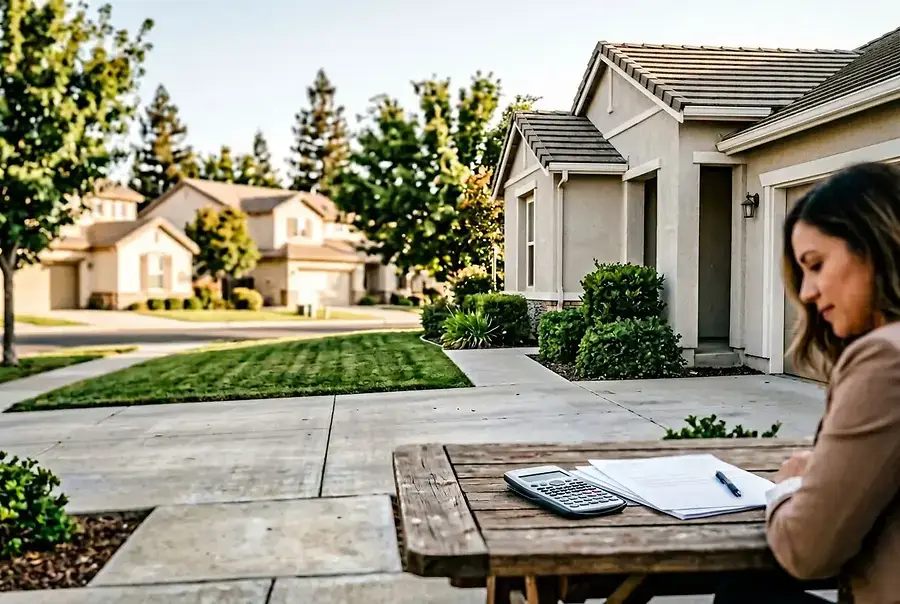
Understanding Property Tax Assessments in San Joaquin County
Property tax assessments form the foundation of how much you'll pay annually in taxes on your Stockton or San Joaquin County home. The county assessor's office determines the assessed value of your property, which directly impacts your tax obligation. Unlike some states, California uses a unique system that limits property tax increases through Proposition 13.
How Assessments Are Determined
The San Joaquin County Assessor evaluates properties based on their market value at the time of purchase. This assessed value becomes your baseline, and it can only increase by a maximum of 2% annually, regardless of how much your property's actual market value increases. This protection is one of California's most significant tax advantages for homeowners.
When you purchase a property, the assessor will conduct a market analysis to establish the initial assessed value. Factors considered include:
- Recent comparable property sales in your neighborhood
- Property size and square footage
- Age and condition of the structure
- Lot size and location
- Special features or improvements
Reassessment Triggers
Your property may be reassessed at a higher value if you make significant improvements or renovations. Adding a new room, installing a pool, or major structural upgrades can trigger a reassessment. However, routine maintenance and repairs typically do not affect your assessed value.
How Local Tax Rates Affect Your Home Purchase Budget
Understanding the actual tax rate is crucial when budgeting for your home purchase in Stockton and San Joaquin County. The effective property tax rate in the region typically ranges from 0.76% to 0.85% of assessed value, though this can vary by specific location and local district assessments.
Calculating Your Annual Tax Obligation
Once the assessor establishes your property's assessed value, your annual property tax is calculated by multiplying that value by the local tax rate. For example, if your home is assessed at $400,000 and your local rate is 0.80%, your annual property tax would be approximately $3,200.
Remember to factor in these additional costs:
- County assessor fees
- School district taxes
- Special assessment districts (fire, water, flood control)
- Mello-Roos assessments (if applicable)
Impact on Your Purchase Decision
Property taxes should be a significant consideration in your home purchase budget. When comparing homes in different neighborhoods or districts, calculate the total tax burden including all special assessments. A home in one area might have a lower purchase price but higher overall tax obligations due to additional district assessments.
Work with a local real estate professional who understands the nuances of San Joaquin County taxation to ensure you're making an informed decision.
Tax Deductions and Benefits for Residential Homeowners
California homeowners have access to several tax benefits that can reduce their overall tax burden. Understanding these deductions is essential for maximizing your financial advantage as a property owner.
Homeowner's Property Tax Exemption
If you own and occupy your home as your primary residence, you may qualify for a $7,000 exemption on your assessed value. This exemption reduces your taxable assessed value, directly lowering your annual property tax bill. You must file for this exemption with the county assessor's office to receive the benefit.
Senior and Disabled Homeowner Benefits
Homeowners aged 65 or older, or those with disabilities, may qualify for additional property tax relief programs. These programs can provide significant savings and should be explored if you meet the eligibility requirements. Contact the San Joaquin County Assessor's office for specific details about available programs.
Federal Tax Deductions
While state property taxes are deductible on your federal income tax return (subject to the $10,000 SALT cap), mortgage interest remains fully deductible. These federal deductions can provide substantial tax savings, especially in the early years of homeownership when interest payments are highest.
Pro Tip: Keep detailed records of all property tax payments and mortgage interest for tax filing purposes. Working with a tax professional can help you maximize available deductions.
Planning for Long-Term Ownership Costs in Stockton
Long-term homeownership in Stockton requires careful financial planning beyond the initial purchase. Understanding how your costs will evolve over time helps you make sustainable investment decisions.
Budgeting for Property Tax Growth
While the 2% annual cap on assessed value increases provides stability, your property taxes will still grow over time. A home assessed at $400,000 will see its annual tax bill increase by approximately $64 annually (2% of $3,200). Over 20 years, this compounds significantly, so factor this gradual increase into your long-term budget.
Maintenance and Improvement Costs
Beyond property taxes, homeowners must budget for maintenance, repairs, and potential improvements. Roofing, HVAC systems, plumbing, and electrical work can be expensive. Setting aside 1-2% of your home's value annually for maintenance helps prevent financial surprises.
Building Equity Through Ownership
Despite ongoing costs, long-term homeownership in Stockton offers significant advantages. As you pay down your mortgage and property values appreciate, you build substantial equity. The combination of stable property tax rates and potential property appreciation makes residential real estate a valuable long-term investment in the San Joaquin County market.
By understanding property taxes, planning for associated costs, and taking advantage of available deductions, you can make informed decisions about homeownership in Stockton and San Joaquin County that align with your financial goals.