Navigating Property Taxes in Wenatchee, Snohomish & Lake Stevens
Understand how local tax rates and assessments impact your residential property investment in Washington's tri-city region.

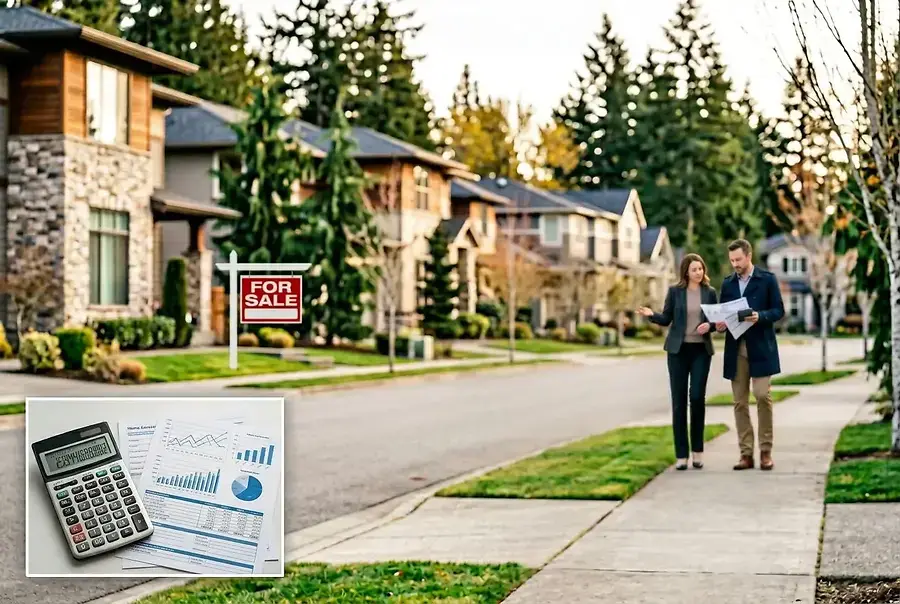
Understanding Local Property Tax Structures Across the Three Cities
Property taxes in Washington State are calculated based on assessed property values and local tax rates, which vary significantly across different municipalities. Wenatchee, Snohomish, and Lake Stevens each have distinct tax structures that homeowners must understand to make informed investment decisions.
Wenatchee's Tax Framework
Wenatchee, located in Chelan County, operates under Washington's statewide property tax system with local variations. The city's tax rate is determined by a combination of county, city, and school district levies. Property owners in Wenatchee typically pay taxes based on 100% of assessed value, which is established through regular county assessments. The total effective tax rate in the area generally ranges from 0.84% to 0.95% of assessed property value annually.
Snohomish County Considerations
Snohomish, situated in Snohomish County, follows similar assessment principles but with different levy rates. The city benefits from a diverse tax base that includes both residential and commercial properties. Homeowners should note that Snohomish County reassesses properties annually, which means your tax obligations may change year to year. The effective tax rate in Snohomish typically ranges from 0.88% to 1.02%, depending on specific district levies and voter-approved measures.
Lake Stevens' Unique Position
Lake Stevens, also in Snohomish County, shares many tax characteristics with Snohomish but maintains its own community-specific levies. The city's growing residential population has led to increased school district funding needs, which can affect overall tax rates. Property owners in Lake Stevens should be aware that special improvement districts and local bond measures may add to their annual tax burden.
How Recent Assessments Affect Your Home's Overall Cost
Understanding Assessed Value vs. Market Value
A critical distinction that many homeowners overlook is the difference between assessed value and market value. Assessed value is determined by county assessors and is used to calculate property taxes, while market value is what your home would sell for on the open market. In Washington, assessed values are typically lower than market values, providing some relief to property owners.
The Assessment Process
County assessors in all three cities conduct regular property assessments to determine current values. These assessments consider:
- Recent comparable sales in your neighborhood
- Property condition and improvements
- Square footage and lot size
- Age and construction quality of the home
- Market trends and economic factors
When assessments increase, your property tax bill rises accordingly. Homeowners who believe their assessment is inaccurate have the right to appeal, typically through their county assessor's office. The appeal process usually occurs annually and may result in a reduced assessment if evidence supports your claim.
Impact on Your Bottom Line
For a home assessed at $500,000 in Wenatchee with an effective tax rate of 0.90%, you would pay approximately $4,500 annually in property taxes. The same home in Snohomish at 0.95% would cost about $4,750 per year. These differences may seem small individually but compound significantly over the life of your mortgage.
Tax Planning Strategies for Residential Property Owners
Leverage Homestead Property Tax Exemptions
Washington State offers homestead property tax exemptions for primary residences. Eligible homeowners can receive a partial exemption on the assessed value of their home, which directly reduces annual tax bills. To qualify, you must own and occupy the property as your primary residence. This exemption is particularly valuable for first-time homebuyers and can save thousands of dollars over time.
Monitor Assessment Notices Carefully
Each year, county assessors send assessment notices to property owners. Review these notices thoroughly and compare your assessed value to recent comparable sales. If you notice discrepancies or believe the assessment is too high, file an appeal within the designated timeframe. Many homeowners successfully reduce their tax burden through this simple but often overlooked step.
Consider Timing for Major Improvements
Home improvements can increase your property's assessed value, which subsequently increases your property taxes. Plan major renovations strategically to manage assessment timing. While you shouldn't avoid necessary improvements, understanding how they affect assessments helps with financial planning. Some improvements may be exempt from assessment increases, so consult with your county assessor about specific projects.
Stay Informed About Local Levies
School districts, fire departments, and other local entities regularly propose bond measures and levy increases. Attend public meetings and review ballot measures to understand how they'll affect your property taxes. Being an informed voter allows you to make decisions that align with your financial goals while supporting community services.
Work with Real Estate and Tax Professionals
Real estate agents familiar with the tri-city region can provide insights into how property taxes affect home values and investment returns. Tax professionals can help you understand deductions and strategies specific to your situation. These expert perspectives are invaluable when making significant property investments.
Key Takeaways for Buyers and Current Homeowners
Property taxes are a significant ongoing cost of homeownership that extends far beyond your mortgage payment. Understanding the differences between Wenatchee, Snohomish, and Lake Stevens helps you make informed decisions about where to invest and how to manage your tax obligations.
Key points to remember:
- Each city has different effective tax rates that impact your annual costs
- Assessed values drive property tax calculations and can be appealed if inaccurate
- Homestead exemptions provide valuable tax relief for primary residences
- Regular monitoring of assessment notices helps catch errors and opportunities for appeals
- Strategic planning around home improvements and local levies optimizes your financial position
- Professional guidance from real estate and tax experts enhances decision-making
Whether you're a first-time buyer exploring the tri-city region or a current homeowner seeking to optimize your tax situation, understanding these local property tax structures empowers you to make smarter financial decisions and protect your investment for years to come.