Navigating Real Estate Investment Opportunities Across the DFW Mid-Cities
Discover what's driving property values and investment opportunities in Fort Worth, Arlington, Mansfield, and surrounding communities.

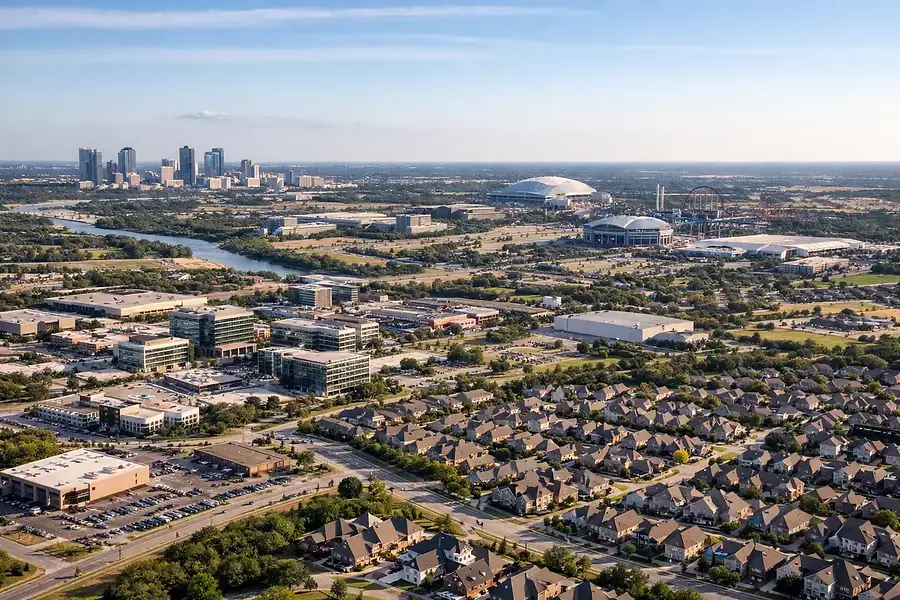
Introduction: Understanding the DFW Mid-Cities Real Estate Landscape
The Dallas-Fort Worth metroplex continues to attract investors and homebuyers seeking diverse opportunities in a thriving economic region. The Mid-Cities area—encompassing Fort Worth, Arlington, Mansfield, and surrounding communities—represents one of the most dynamic segments of this market. With strong population growth, diverse employment centers, and evolving infrastructure, the Mid-Cities offer compelling investment prospects for both seasoned and emerging investors.
Understanding the nuances of this region is essential for making informed investment decisions. Each community within the Mid-Cities has distinct characteristics, price points, and growth trajectories that appeal to different investor profiles and strategies.
Market Performance and Price Trends Across Nine Key Communities
Fort Worth: The Economic Engine
Fort Worth remains the anchor of the Mid-Cities region, driven by its robust job market and cultural attractions. The city has experienced steady appreciation, with neighborhoods like Tanglewood and Ridglea showing strong performance. Commercial real estate in downtown Fort Worth continues to attract investment, particularly in mixed-use developments and office spaces.
Arlington: Entertainment and Accessibility
Arlington's strategic location between Dallas and Fort Worth, combined with major entertainment venues, has sustained property value growth. The city's diverse housing inventory—from affordable starter homes to luxury properties—appeals to a broad investor base. Commercial corridors along I-20 remain hotspots for retail and hospitality investments.
Mansfield: Emerging Growth Corridor
Mansfield represents one of the fastest-growing communities in the Mid-Cities, with new residential developments and commercial expansion. Investors seeking appreciation potential often focus on emerging neighborhoods where infrastructure improvements are planned. The city's commitment to balanced growth has attracted families and young professionals.
Additional Key Communities
Beyond these three anchors, communities including Grand Prairie, Irving, Euless, Coppell, Lewisville, and Carrollton each offer unique investment opportunities:
- Grand Prairie: Industrial and logistics hub with strong commercial real estate demand
- Irving: Corporate headquarters location with premium office and residential markets
- Euless: Affordable residential options with steady appreciation
- Coppell: Family-friendly community with excellent schools and stable property values
- Lewisville: Lake community with recreational appeal and growing residential demand
- Carrollton: Mixed-use development opportunities and strong commercial corridors
Residential vs. Commercial Investment Opportunities by Location
Residential Investment Strategies
The residential market across the Mid-Cities offers multiple pathways for investors. Single-family rentals remain popular in established neighborhoods where tenant demand is consistent. Communities like Mansfield and Euless attract investors seeking properties with strong rental yields and appreciation potential.
Multi-family properties have gained traction in urban-adjacent areas, particularly near employment centers and transit corridors. Arlington and Fort Worth offer apartment and townhome complexes that appeal to young professionals and families seeking convenience.
New construction investments in emerging subdivisions provide opportunities for investors willing to take a longer-term view. Mansfield's expansion areas offer pre-development opportunities with significant upside potential.
Commercial Investment Opportunities
Commercial real estate in the Mid-Cities spans multiple asset classes:
- Retail Properties: High-traffic corridors in Arlington and Fort Worth continue to attract national retailers and local businesses
- Office Space: Corporate relocations and expansions drive demand in Irving and Coppell
- Industrial/Logistics: Grand Prairie's strategic location has made it a logistics hub with strong warehouse and distribution center demand
- Mixed-Use Developments: Urban infill projects in Fort Worth and Arlington combine residential, retail, and office spaces
Commercial investors should consider proximity to major employment centers, transportation infrastructure, and demographic trends when evaluating opportunities. The region's continued economic diversification supports long-term commercial real estate growth.
Location-Specific Considerations
Fort Worth and Arlington offer mature markets with established tenant bases and stable cash flows, making them ideal for income-focused investors. Mansfield and emerging areas provide appreciation-focused opportunities for investors with longer investment horizons. Secondary communities like Euless and Lewisville offer balanced opportunities combining reasonable entry prices with steady growth potential.
Conclusion: Positioning Yourself for Success in the Mid-Cities Market
The DFW Mid-Cities region presents a compelling investment landscape characterized by diverse opportunities, strong economic fundamentals, and varied price points. Success in this market requires understanding the distinct characteristics of each community and aligning investment strategies with personal goals and risk tolerance.
Key takeaways for Mid-Cities investors:
- Conduct thorough market research specific to your target community
- Consider both residential and commercial opportunities based on your expertise and capital
- Evaluate long-term growth drivers including population trends, employment centers, and infrastructure development
- Diversify across multiple communities to manage risk and capture varied opportunities
- Partner with local real estate professionals who understand regional nuances
Whether you're seeking steady rental income, property appreciation, or commercial returns, the Mid-Cities offer pathways to achieve your investment objectives. By staying informed about market trends and community-specific factors, you can position yourself to capitalize on the region's continued growth and prosperity.