Navigating Residential Property Inspections: What Buyers Should Know
Learn what professional home inspectors look for and how to use inspection reports to make confident purchasing decisions.

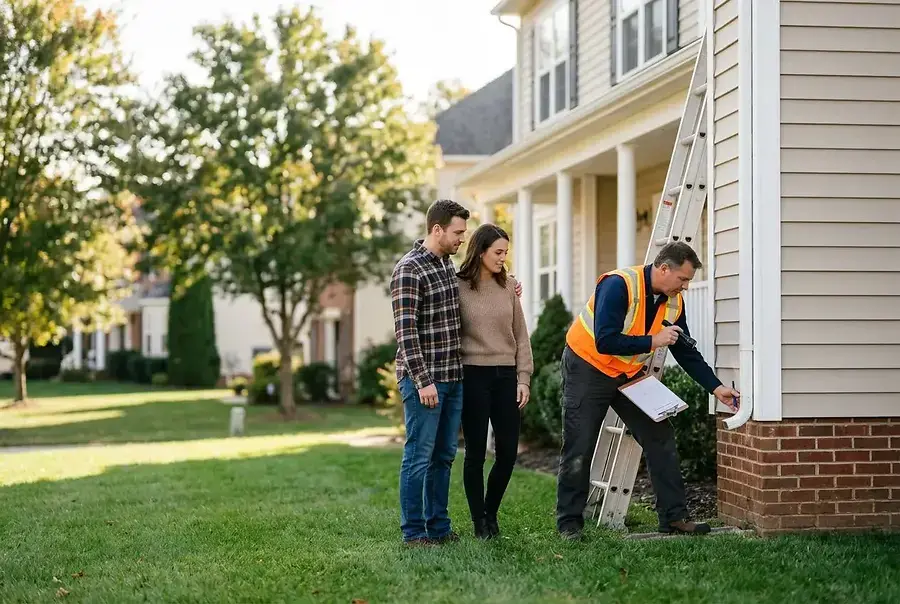
Understanding the Home Inspection Process: What to Expect
A home inspection is one of the most critical steps in the residential property buying process. This professional evaluation provides you with detailed information about the condition of the property you're considering purchasing. Understanding what happens during an inspection can help you prepare mentally and financially for homeownership.
When you schedule a home inspection, expect the process to take two to four hours depending on the property's size and age. A licensed home inspector will systematically examine the property's structural components, mechanical systems, and overall condition. You have the right to be present during the inspection, and many experts recommend attending to ask questions and gain firsthand knowledge about your potential investment.
What Inspectors Examine
Professional home inspectors follow a standardized checklist that covers numerous aspects of the property:
- Structural components: Foundation, walls, roof, and framing
- Exterior elements: Siding, windows, doors, and drainage systems
- Roofing: Condition, age, and remaining lifespan
- HVAC systems: Heating, ventilation, and air conditioning functionality
- Plumbing: Water pressure, drainage, and pipe conditions
- Electrical systems: Panel condition, wiring, and safety
- Interior features: Walls, ceilings, floors, and built-in appliances
- Attic and basement: Insulation, ventilation, and moisture issues
The inspector will document findings with photographs and detailed notes, which become part of your comprehensive inspection report.
Common Issues Inspectors Discover and How to Evaluate Them
Most home inspections reveal at least some issues. Understanding the severity and implications of common findings helps you make informed decisions about your purchase.
Minor Issues
Minor issues typically don't affect the property's safety or functionality. These might include cosmetic damage, worn weatherstripping, or outdated fixtures. While these items may need attention eventually, they rarely warrant renegotiating the purchase price or walking away from a deal.
Moderate Issues
Moderate concerns require attention but aren't emergencies. Examples include:
- Aging roof nearing the end of its lifespan
- Outdated electrical panels that function but need upgrading
- Minor water stains suggesting previous leaks
- HVAC systems that work but are aging
These issues often provide negotiation opportunities. You might request the seller make repairs, provide credits toward repairs, or adjust the purchase price accordingly.
Major Issues
Major issues demand immediate attention and can significantly impact your decision. These include:
- Structural damage or foundation problems
- Active roof leaks or severe roof damage
- Mold or significant moisture problems
- Faulty electrical systems posing safety risks
- Plumbing issues affecting water quality or drainage
- Pest infestations or termite damage
Major issues often require professional estimates for repairs. You may choose to request the seller address these problems before closing, walk away from the purchase, or renegotiate the price based on repair costs.
Interpreting the Inspection Report
Your inspection report will categorize findings by severity. Take time to understand each item and research what repairs might cost. Don't hesitate to ask your inspector questions about specific findings or to clarify technical language.
Using Inspection Results to Negotiate and Plan Your Next Steps
The inspection report is a powerful negotiation tool. Here's how to use it effectively:
Prioritize Your Concerns
Not every finding requires action. Focus on issues that affect safety, functionality, or long-term property value. Cosmetic issues are less important than structural or mechanical problems.
Get Professional Estimates
For significant issues, obtain quotes from licensed contractors. These estimates provide concrete numbers for negotiations and help you understand the true cost of repairs.
Develop Your Negotiation Strategy
You have several options when issues are discovered:
- Request repairs: Ask the seller to fix issues before closing
- Request credits: Negotiate a credit toward closing costs to handle repairs yourself
- Request price reduction: Lower the purchase price to account for repairs
- Walk away: If issues are too severe or costly, you may choose not to proceed
Your negotiating power depends on market conditions, the property's desirability, and the severity of issues found.
Plan for Future Maintenance
Even if you negotiate repairs, use the inspection report to plan future maintenance. Understanding your home's systems and their condition helps you budget for upcoming expenses and prevent small issues from becoming major problems.
"A thorough home inspection provides peace of mind and protects your investment. It's not just about finding problems—it's about understanding your new home and planning for its future."
Conclusion: Making Informed Decisions Through Professional Inspections
Home inspections are invaluable investments in your real estate purchase. They provide objective, professional assessment of a property's condition and empower you to make informed decisions.
Remember that no home is perfect. The goal isn't to find a flawless property but to understand what you're buying and plan accordingly. By attending the inspection, carefully reviewing the report, and using findings strategically in negotiations, you protect yourself financially and ensure you're making a confident, informed decision about one of life's largest purchases.
Take the inspection process seriously, ask questions, and don't hesitate to seek professional advice when evaluating significant findings. Your thorough approach now will pay dividends throughout your homeownership journey.