Navigating Rhode Island's Residential Market After Home Inspections
Essential steps to protect your investment by understanding inspection findings and negotiating repairs across Providence, Warwick, and surrounding Rhode Island communities.

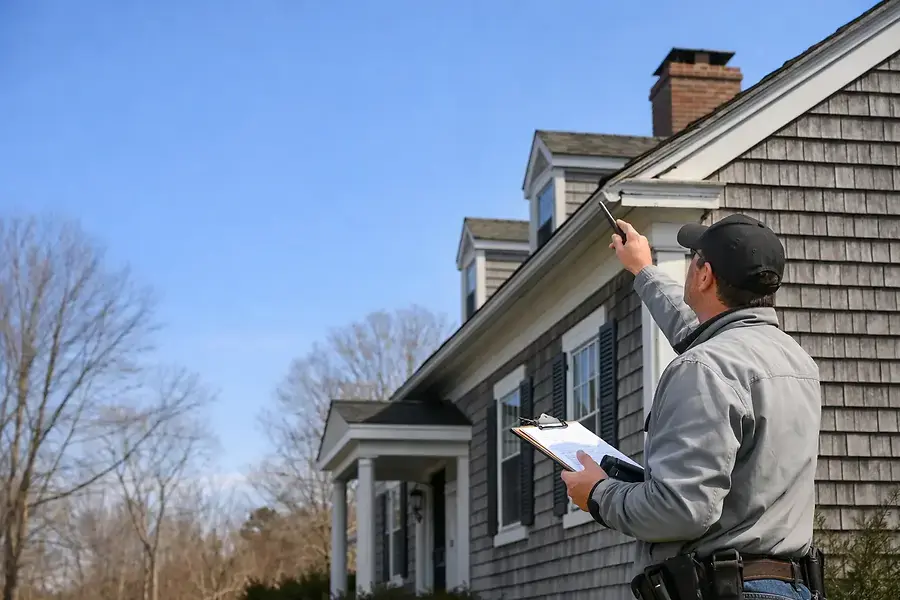
Understanding the Home Inspection Process and What Inspectors Look For
A home inspection is one of the most critical steps in the residential real estate transaction. This comprehensive evaluation provides buyers with detailed information about the property's condition before finalizing their investment. In Rhode Island, where homes range from historic colonial properties to modern constructions, understanding what inspectors examine can help you make informed decisions.
Professional home inspectors evaluate multiple systems and components of a property, including:
- Structural integrity - Foundation, walls, and overall framework
- Roofing systems - Condition, age, and remaining lifespan
- Electrical systems - Wiring, panels, and safety compliance
- Plumbing - Pipes, fixtures, water pressure, and drainage
- HVAC systems - Heating, cooling, and ventilation efficiency
- Insulation and ventilation - Energy efficiency and moisture control
- Interior and exterior components - Windows, doors, siding, and landscaping
Inspectors typically spend 2-4 hours examining a property, documenting findings with photographs and detailed notes. Their report becomes your roadmap for understanding the home's true condition and potential future expenses.
Common Issues Found in Rhode Island Homes: Age, Climate, and Regional Challenges
Historic Home Challenges
Rhode Island's rich architectural heritage means many homes are over 100 years old. While these properties offer charm and character, they often present unique inspection challenges. Outdated electrical systems, lead paint, asbestos insulation, and aging plumbing are frequently discovered in older Rhode Island homes, particularly in Providence and surrounding historic neighborhoods.
Climate-Related Issues
Rhode Island's coastal climate and harsh winters create specific maintenance demands. Inspectors commonly identify:
- Water damage and moisture intrusion - From ice dams, roof leaks, and foundation cracks
- Rust and corrosion - On metal components exposed to salt air and humidity
- Roof deterioration - Accelerated by freeze-thaw cycles and heavy snow loads
- Foundation issues - Settling and cracking from seasonal ground movement
Regional Concerns in Warwick and Surrounding Communities
Properties in Warwick, Cranston, and other central Rhode Island communities often face challenges related to aging infrastructure. Outdated HVAC systems, deteriorating septic systems, and inadequate insulation are common findings that impact both comfort and energy efficiency. Waterfront and near-coastal properties may have additional concerns related to salt spray damage and elevated moisture levels.
Negotiating Repairs and Credits: Turning Inspection Results Into Buyer Advantages
Analyzing Your Inspection Report
Once you receive the inspection report, take time to understand the severity of each finding. Inspectors typically categorize issues as:
- Safety concerns - Immediate hazards requiring urgent attention
- Major systems - Components affecting home functionality
- Maintenance items - Routine upkeep and cosmetic issues
Focus your negotiation efforts on safety issues and major systems rather than minor maintenance items.
Repair Negotiation Strategies
Obtain multiple quotes for significant repairs before negotiating. This gives you concrete numbers to present to sellers. In Rhode Island's competitive market, sellers may be more willing to negotiate if you provide professional estimates rather than vague repair demands.
Consider these negotiation approaches:
- Request seller repairs - Ask the seller to complete critical repairs before closing
- Negotiate repair credits - Receive a credit at closing to handle repairs yourself
- Price adjustments - Request a reduction in the purchase price to account for repairs
- Escrow arrangements - Hold funds in escrow to ensure repairs are completed post-closing
Prioritizing Your Requests
In Rhode Island's residential market, sellers often respond better to focused, reasonable requests. Rather than demanding fixes for every minor issue, prioritize the three to five most significant findings. This approach demonstrates reasonableness and increases the likelihood of successful negotiations in Providence, Warwick, and other communities.
"The key to successful negotiations is presenting your inspection findings professionally and understanding the seller's perspective. A well-documented, reasonable request is far more likely to succeed than an overwhelming list of demands."
Moving Forward with Confidence: Using Inspection Data to Make Informed Decisions
Understanding Long-Term Implications
Beyond immediate repairs, use inspection findings to understand the home's long-term maintenance needs. A roof with 5-10 years of remaining life, for example, should factor into your decision-making and financial planning. This information helps you budget for future expenses and avoid unexpected costs after purchase.
Making Your Final Decision
After inspection and negotiation, you have several options:
- Proceed with the purchase - If repairs are addressed satisfactorily
- Request additional inspections - For specialized systems like septic or foundation
- Renegotiate terms - If new information emerges
- Walk away - If issues are too significant or costly
Remember, the inspection contingency exists to protect your interests. Use it wisely.
Post-Purchase Planning
Once you've closed on your Rhode Island home, maintain detailed records of all inspection findings and completed repairs. This documentation proves valuable for future maintenance planning, insurance claims, and eventual resale. Consider scheduling follow-up inspections for major systems like HVAC or plumbing to establish baseline conditions and maintenance schedules.
By understanding the inspection process, recognizing regional challenges, negotiating effectively, and using inspection data strategically, you can protect your investment and move forward with confidence in Rhode Island's residential market. Whether you're purchasing in historic Providence, growing Warwick, or surrounding communities, a thorough approach to home inspections ensures you're making an informed decision about one of life's most significant investments.


