Navigating Seasonal Home Sales in Colorado's Mountain Communities
Discover how timing and local market knowledge can maximize your home's value in high-altitude Colorado towns.

Understanding Seasonal Market Cycles in Colorado Mountain Towns
Colorado's mountain communities experience distinct seasonal patterns that significantly impact the real estate market. Unlike traditional urban markets, high-altitude towns face unique challenges and opportunities throughout the year. Understanding these cycles is essential for anyone looking to sell their home at the optimal time.
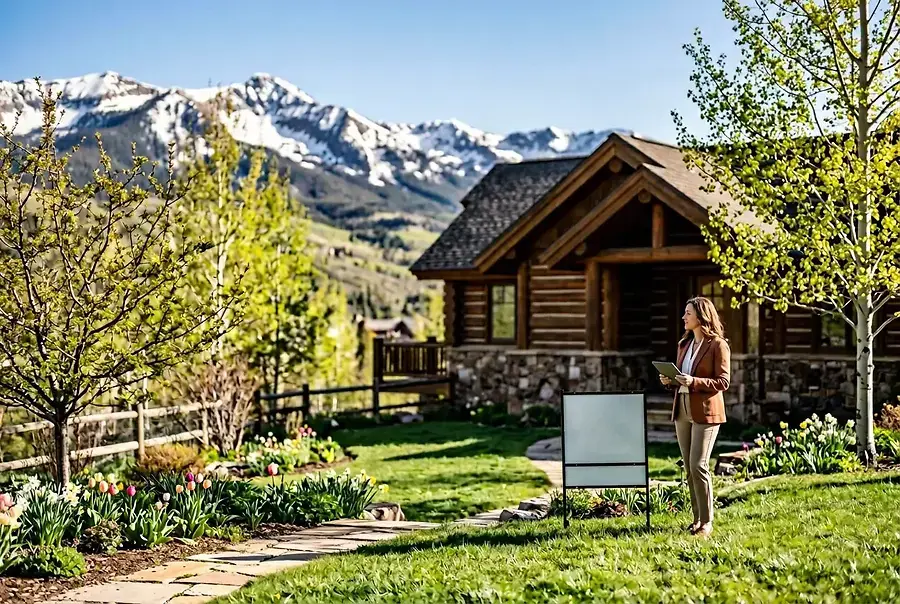
The summer months typically bring the highest buyer activity to mountain communities. Families prefer to relocate during school breaks, and the pleasant weather makes property viewings more appealing. However, this increased demand also means more competition among sellers. Spring serves as a transitional period, with buyers beginning their search and properties starting to show their best features as snow melts and landscaping awakens.
Fall presents a secondary peak in market activity, as buyers who missed summer opportunities return to the market. The stunning autumn foliage and crisp weather create an attractive backdrop for showings. Winter, conversely, sees the slowest market activity, with fewer buyers actively searching. However, this doesn't mean winter sales are impossible—serious buyers during this season are often highly motivated and may face less competition.
Pricing Strategies for Different Times of Year
Summer Pricing Approach
During peak season, you can typically command premium prices. The high volume of buyers and limited inventory create favorable conditions for sellers. Research comparable sales from the previous summer to establish competitive pricing that reflects current demand. Many sellers successfully list at or slightly above market value during these months, knowing that buyer competition will drive interest.
Spring and Fall Strategies
These shoulder seasons require a balanced approach. Prices should be competitive but slightly lower than peak summer rates. Highlight seasonal advantages—spring's renewal and fall's natural beauty—in your marketing materials. Buyers during these periods are often serious and less price-sensitive than those browsing casually during summer.
Winter Considerations
Winter requires aggressive pricing strategies to attract buyers. Reduce your asking price by 5-10% below comparable summer sales to account for reduced buyer pool and increased carrying costs. However, emphasize winter advantages such as:
- Proximity to ski resorts and winter recreation
- Lower property taxes and utility costs in some areas
- Less competition from other sellers
- Serious, motivated buyers who won't waste time
Preparing Your Home for Peak and Off-Season Sales
Summer Preparation
Maximize curb appeal during peak season. Invest in landscaping, fresh exterior paint, and well-maintained gardens. Ensure all outdoor spaces are showcased—decks, patios, and mountain views should be highlighted. Interior staging should emphasize bright, airy spaces. Open windows to let in natural light and fresh mountain air during showings.
Winter Readiness
Winter showings require different preparations. Clear driveways and walkways immediately after snow to demonstrate accessibility. Highlight heating systems, fireplaces, and cozy interior spaces. Warm lighting and seasonal décor create an inviting atmosphere. Consider scheduling showings during daylight hours when mountain views are most visible.
Year-Round Maintenance
Regardless of season, maintain these essentials:
- Regular roof and gutter maintenance to handle mountain weather
- Functional heating and cooling systems
- Clear access to utilities and septic systems
- Well-maintained exterior siding and weatherproofing
- Updated electrical and plumbing systems
Working with Local Experts to Optimize Your Timeline
Selecting the Right Real Estate Agent
Partner with agents who have deep knowledge of your specific mountain community. They understand local buyer patterns, seasonal trends, and pricing nuances that outsiders might miss. Ask potential agents about their experience with seasonal sales and their strategies for different times of year.
Leveraging Local Market Data
Work with your agent to analyze local market data specific to your town. Compare days-on-market, price reductions, and final sale prices across seasons. This information reveals whether your community follows typical seasonal patterns or has unique characteristics. Some mountain towns with year-round attractions may have different seasonal dynamics than others.
Timing Your Listing
Consider listing your home before peak season begins to capture early buyers. A spring listing can generate summer showings when buyer activity peaks. Conversely, if you must sell during slower seasons, your agent can help you identify motivated buyer pools—such as corporate relocations or ski season workers—who may be searching outside traditional peak times.
Flexible Closing Timelines
Discuss closing flexibility with your agent. Offering flexible closing dates can attract buyers during off-seasons when they may need time to coordinate moves. This small concession can make your property more attractive when competition is low.
Making Your Decision
The best time to sell your mountain home depends on your personal circumstances, financial goals, and market conditions.
Successful mountain home sales require balancing seasonal market advantages with your individual timeline and financial needs.
If you can wait for peak season and your home is in excellent condition, summer offers the highest price potential. If you need to sell quickly, winter may actually work in your favor despite lower prices—serious buyers move faster. Spring and fall offer middle-ground options with reasonable prices and moderate buyer activity.
Whatever season you choose, working with local experts who understand Colorado's mountain real estate landscape will help you navigate the unique challenges and opportunities of your community. Their insights into seasonal patterns, pricing strategies, and buyer behavior can make the difference between a quick sale at fair value and a prolonged listing at inflated prices.