Navigating the Residential Market Across Wake County's Expanding Communities
Discover what makes neighborhoods from Raleigh to Wilson unique investment opportunities for homebuyers seeking value and growth potential.

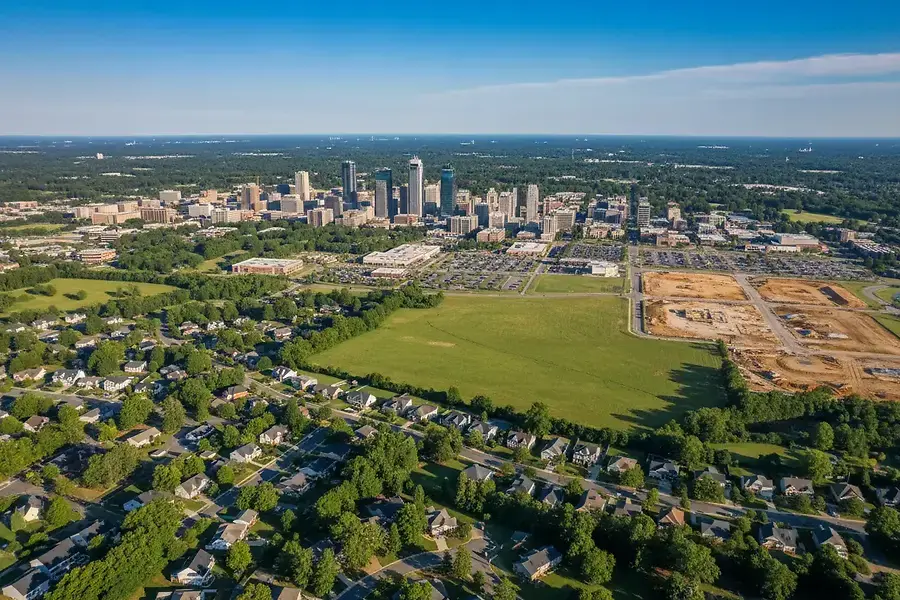
Understanding Wake County's Diverse Residential Neighborhoods and Their Individual Character
Wake County has emerged as one of North Carolina's most dynamic residential markets, offering homebuyers an impressive array of neighborhoods, each with its own distinct personality and appeal. From the vibrant urban core of Raleigh to the charming suburban communities of Cary, Chapel Hill, and Durham, and extending to the more affordable options in Wilson and surrounding areas, the region presents opportunities for virtually every lifestyle and budget.
The diversity of Wake County's communities reflects the region's broader economic growth and demographic shifts. Established neighborhoods feature tree-lined streets and mature properties, while newer developments offer modern amenities and contemporary designs. Understanding these distinctions is crucial for homebuyers looking to make informed decisions about where to invest their resources.
The Urban Core and Suburban Transitions
Raleigh's downtown and inner neighborhoods attract professionals seeking walkability and cultural amenities. These areas offer proximity to restaurants, entertainment venues, and employment centers. Meanwhile, communities like Cary and Chapel Hill provide a balance between suburban comfort and access to urban conveniences, making them particularly appealing to families and established professionals.
Emerging Growth Communities
Outlying areas and smaller towns within Wake County are experiencing rapid development. These communities offer newer construction, larger lots, and often more affordable entry points for first-time homebuyers. The expansion of infrastructure and commercial development in these areas suggests strong future appreciation potential.
Key Factors That Drive Home Values Across the Region's 16 Primary Markets
Home values in Wake County are influenced by multiple interconnected factors that vary by neighborhood and market segment. Understanding these drivers helps buyers recognize value and identify communities with strong growth potential.
Employment Centers and Economic Growth
Proximity to major employment hubs significantly impacts property values. The Research Triangle Park, tech corridors, and healthcare facilities create demand for housing in surrounding communities. Neighborhoods with easy access to these employment centers command premium prices and maintain strong appreciation trends.
School Quality and Educational Amenities
School ratings remain one of the most influential factors affecting residential real estate values. Families prioritize neighborhoods with highly-rated schools, and this demand directly translates to higher property values and competitive markets. Even families without school-age children recognize that strong schools support long-term property appreciation.
Infrastructure Development and Accessibility
Road improvements, public transportation expansion, and utility infrastructure investments enhance neighborhood desirability. Communities benefiting from recent or planned infrastructure projects often experience accelerated growth and value appreciation. Highway access, in particular, influences commute times and overall livability.
Community Amenities and Quality of Life
- Parks and Recreation: Access to green spaces, trails, and recreational facilities attracts families and active individuals
- Retail and Dining: Proximity to shopping centers, restaurants, and entertainment venues adds convenience and lifestyle appeal
- Healthcare Facilities: Nearby hospitals and medical centers are increasingly important to aging populations
- Community Character: Neighborhood identity, architectural consistency, and planned development create lasting appeal
Market Supply and Demand Dynamics
The balance between available inventory and buyer demand directly affects pricing. Communities with limited inventory and strong buyer interest experience rapid appreciation, while areas with abundant supply may offer better negotiating opportunities for buyers.
Finding Your Ideal Community: Matching Lifestyle Preferences with Location Benefits
Selecting the right neighborhood requires honest assessment of your lifestyle priorities and long-term goals. Different communities serve different needs, and the best choice depends on your individual circumstances.
For Urban Professionals and Empty Nesters
Downtown Raleigh and similar urban neighborhoods offer walkability, cultural attractions, and minimal maintenance requirements. These communities appeal to those prioritizing convenience and social engagement over space and privacy. Condo and townhome options dominate these markets, with lower property taxes and reduced upkeep responsibilities.
For Growing Families
Suburban communities with excellent schools, family-friendly amenities, and spacious homes attract families with children. Cary, Chapel Hill, and similar areas offer established neighborhoods with parks, recreation programs, and strong community organizations. These communities typically feature single-family homes with yards and room for growth.
For Value-Conscious Buyers
Emerging communities and smaller towns within Wake County offer more affordable entry points without sacrificing quality or growth potential. These areas attract buyers willing to accept longer commutes or newer neighborhoods in exchange for better pricing and larger properties. As infrastructure develops, these communities often experience significant appreciation.
For Retirees and Downsizers
Communities offering active adult communities, healthcare proximity, and low-maintenance living appeal to retirees. Some neighborhoods specialize in age-restricted communities with amenities tailored to older residents, while others simply offer convenient access to medical facilities and services.
Making an Informed Purchase Decision in Today's Wake County Real Estate Landscape
Successfully navigating the Wake County real estate market requires preparation, research, and professional guidance. Taking time to make informed decisions protects your investment and ensures long-term satisfaction.
Conduct Thorough Market Research
Examine recent sales data, price trends, and inventory levels in your target neighborhoods. Understanding whether you're entering a buyer's or seller's market helps calibrate your expectations and negotiating strategy. Historical appreciation rates provide insight into long-term value potential.
Evaluate Your Financial Position
Determine your realistic budget, including down payment, closing costs, and ongoing expenses. Get pre-approved for financing to understand your purchasing power and demonstrate seriousness to sellers. Consider not just the purchase price, but property taxes, insurance, maintenance, and HOA fees when assessing affordability.
Work with Local Real Estate Professionals
Experienced agents familiar with specific neighborhoods provide invaluable insights about market conditions, community character, and future development plans. They understand local nuances that national data cannot capture and can help identify properties matching your criteria and budget.
Visit Neighborhoods at Different Times
Experience potential communities during weekdays and weekends, morning and evening. This reveals traffic patterns, noise levels, and the actual character of the neighborhood. Talk with current residents about their experiences and satisfaction with their communities.
Consider Long-Term Value and Lifestyle Fit
Beyond current pricing, evaluate whether the neighborhood supports your long-term plans. Will the community continue to appeal to you in five or ten years? Does it align with your lifestyle preferences and family needs? A property that perfectly matches your current situation may not serve you well as circumstances change.
Wake County's residential market offers exceptional opportunities for informed homebuyers. By understanding neighborhood characteristics, recognizing value drivers, and carefully assessing your own priorities, you can identify communities that provide both immediate satisfaction and long-term investment potential. The region's continued growth and economic vitality suggest that thoughtful real estate decisions made today will benefit homeowners for years to come.