Navigating Topanga Permits and Building Codes: A Homeowner's Guide
Essential regulations every homeowner and buyer should understand before investing in Topanga properties.

Understanding Topanga's Unique Regulatory Environment
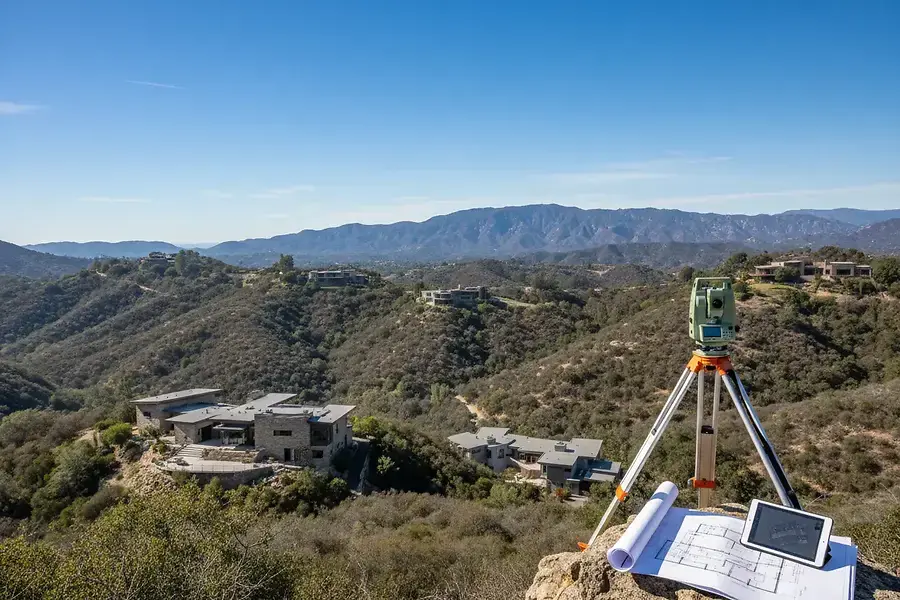
Topanga, nestled in the Santa Monica Mountains, is one of Los Angeles County's most distinctive communities. Its natural beauty and rural character come with a unique set of regulatory requirements that differ significantly from standard urban development. Before purchasing or building in Topanga, it's crucial to understand that this area operates under specific zoning laws, environmental protections, and building codes designed to preserve its natural landscape and community character.
The Topanga area falls under multiple jurisdictions, including Los Angeles County and the California Coastal Commission in certain zones. This layered regulatory structure means that homeowners must navigate several approval processes before breaking ground on any project. Understanding these requirements upfront can save you thousands of dollars and months of delays.
Building Codes and Permit Requirements for Topanga Properties
Permit Types and Applications
Topanga properties require several types of permits depending on the scope of your project. The most common include:
- Building Permits: Required for new construction, additions, or significant renovations. These ensure structures meet safety and structural standards.
- Grading Permits: Essential for any earth movement or slope modification. Topanga's hillside terrain makes these particularly important.
- Coastal Development Permits: Necessary for properties within the Coastal Zone, which covers much of Topanga.
- Environmental Review: Many projects require California Environmental Quality Act (CEQA) review to assess environmental impacts.
- Variance and Conditional Use Permits: Needed when projects don't conform to standard zoning requirements.
Key Building Code Considerations
Topanga's building codes emphasize fire safety, slope stability, and environmental protection. Fire-resistant materials are mandatory for exterior construction due to the area's wildfire risk. Homes must meet strict setback requirements from property lines and ridgelines, and vegetation management is often required within defensible space zones.
Slope stability is another critical concern. Properties on hillsides must include geotechnical reports and may require retaining walls, drainage systems, or foundation modifications. The California Building Code, combined with Los Angeles County's specific amendments, governs all structural requirements.
Environmental and Coastal Regulations
Properties within the Coastal Zone face additional scrutiny. The Coastal Commission reviews projects to ensure they don't negatively impact coastal resources, public access, or marine habitats. Even inland Topanga properties must consider watershed protection and habitat preservation in their designs.
Common Challenges and Solutions for Homeowners
Challenge: Extended Approval Timelines
The Problem: Topanga permits can take 6-12 months or longer to obtain, especially for complex projects requiring environmental review or Coastal Commission approval.
The Solution: Work with experienced local architects and consultants who understand Topanga's specific requirements. They can prepare comprehensive applications that address potential concerns upfront, reducing back-and-forth revisions. Starting the permitting process early and maintaining open communication with planning departments accelerates approval.
Challenge: Unexpected Geotechnical Issues
The Problem: Hillside properties often reveal soil stability, drainage, or foundation issues during the permitting process, requiring expensive modifications to project plans.
The Solution: Invest in a thorough geotechnical investigation before purchasing or designing your project. This upfront cost—typically $2,000-$5,000—can prevent much larger expenses later. Early identification of slope issues allows architects to design appropriate solutions into the original plans.
Challenge: Density and Setback Restrictions
The Problem: Topanga's zoning often limits development density and requires substantial setbacks from property lines and ridgelines, reducing buildable area.
The Solution: Have a surveyor and land planner evaluate your property's development potential before purchase. Understanding buildable area constraints helps you make informed investment decisions. In some cases, variances or conditional use permits may provide alternatives, though these require additional justification and review.
Challenge: Fire Safety and Defensible Space
The Problem: Fire-resistant construction requirements and mandatory vegetation management can increase building costs and limit landscaping options.
The Solution: Embrace fire-safe design as a feature, not a burden. Modern fire-resistant materials are increasingly attractive and durable. Work with landscape architects familiar with Topanga's native plants to create beautiful, fire-safe yards that enhance property value and community resilience.
Challenge: Coastal Commission Delays
The Problem: Coastal Zone properties face additional review periods and may require multiple revisions to satisfy Commission concerns.
The Solution: Engage with the Coastal Commission early in the design process. Pre-application meetings can clarify expectations and identify potential issues before formal applications are submitted. Demonstrating environmental sensitivity and public benefit in your project design strengthens approval prospects.
Working with Local Experts to Streamline Your Real Estate Journey
Successfully navigating Topanga's regulatory landscape requires expertise and local knowledge. Experienced professionals make the difference between smooth approvals and frustrating delays:
- Local Architects: Choose firms with proven Topanga experience who understand the area's design standards and approval processes.
- Permit Consultants: These specialists manage applications, coordinate with agencies, and address regulatory issues.
- Real Estate Attorneys: Essential for reviewing purchase agreements and understanding property-specific restrictions or easements.
- Geotechnical Engineers: Critical for hillside properties to assess slope stability and design appropriate foundations.
- Environmental Consultants: Help navigate CEQA and Coastal Commission requirements.
While hiring these professionals represents an investment, their expertise typically saves money by preventing costly mistakes and accelerating approvals. When evaluating professionals, ask for references from recent Topanga projects and verify their familiarity with current regulations.
Final Thoughts
Topanga's regulatory environment protects the community's natural character and safety, but it requires careful navigation. By understanding permit requirements, anticipating common challenges, and working with experienced professionals, you can successfully develop or purchase property in this beautiful area. The key is starting early, asking questions, and respecting the regulatory framework that makes Topanga special. With proper planning and expert guidance, your Topanga real estate journey can be rewarding and successful.