Navigating Waimea's Unique Zoning Laws for Residential Development
Learn how local zoning regulations impact your property plans and investment potential in Waimea's residential market.

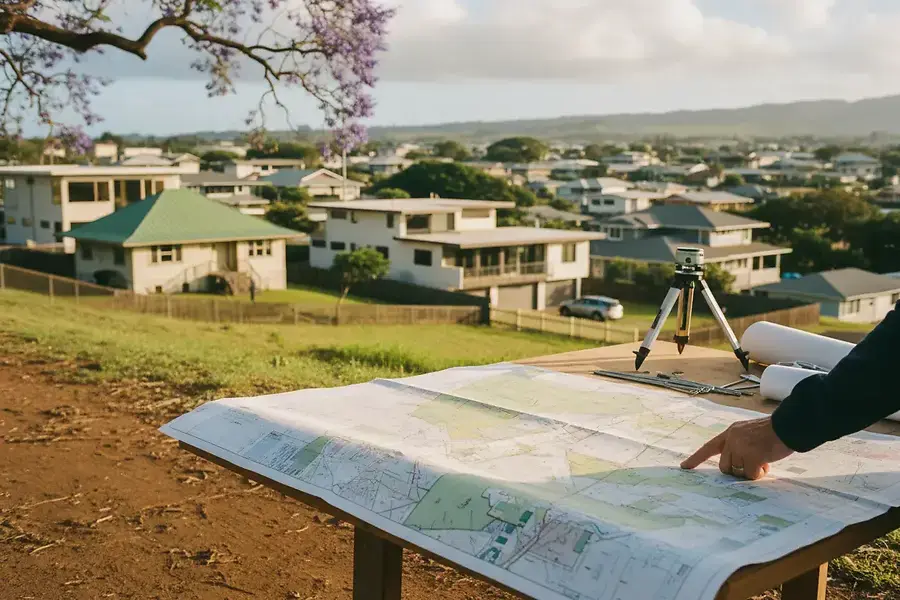
Understanding Waimea's Residential Zoning Classifications
Waimea's zoning system is designed to maintain the character and integrity of its residential neighborhoods while allowing for thoughtful development. The community is divided into several distinct zoning classifications, each with specific regulations governing land use, building density, and property development.
The primary residential zones in Waimea include Low-Density Residential (LDR), Medium-Density Residential (MDR), and High-Density Residential (HDR) districts. Understanding which classification applies to your property is the first critical step in any development project.
Low-Density Residential Zones
Low-Density Residential zones are characterized by larger lot sizes, typically ranging from one-half acre to one acre or more. These areas prioritize single-family homes and maintain spacious setbacks from property lines. LDR zones are ideal for those seeking a quieter, more suburban lifestyle with minimal neighbor proximity.
- Minimum lot size: 0.5 acres
- Maximum building height: 35 feet
- Required front setback: 25 feet
- Permitted uses: Single-family residences, accessory structures
Medium-Density Residential Zones
Medium-Density Residential zones allow for more compact development while still maintaining neighborhood character. These areas support townhomes, duplexes, and small multi-family buildings with moderate lot requirements.
- Minimum lot size: 0.25 acres
- Maximum building height: 45 feet
- Required front setback: 20 feet
- Permitted uses: Single-family homes, duplexes, townhomes, small apartment complexes
High-Density Residential Zones
High-Density Residential zones are strategically located near commercial centers and transportation corridors. These areas accommodate apartment buildings, condominiums, and mixed-use developments with more flexible lot requirements.
- Minimum lot size: 0.15 acres
- Maximum building height: 65 feet
- Required front setback: 15 feet
- Permitted uses: Multi-family apartments, condos, mixed-use buildings, commercial on ground floor
How Zoning Restrictions Affect Your Property Value and Development Options
Zoning classifications directly influence your property's development potential and market value. A property zoned for low-density residential development will have different investment characteristics than one zoned for high-density use.
Impact on Property Value
Properties in LDR zones typically command higher per-square-foot prices due to exclusivity and limited supply. However, MDR and HDR properties may offer better long-term appreciation potential as Waimea continues to grow and demand for housing increases.
"Understanding your property's zoning classification is essential for making sound investment decisions. The right zone for your goals can mean the difference between a profitable venture and a missed opportunity."
Development Constraints and Opportunities
Zoning restrictions define what you can and cannot build on your property. Before purchasing land or planning renovations, verify your zone's permitted uses. Some property owners discover too late that their development dreams conflict with zoning regulations.
Key considerations include:
- Lot coverage limits: Maximum percentage of your lot that can be built upon
- Floor area ratio (FAR): Relationship between building size and lot size
- Parking requirements: Mandatory parking spaces based on use type
- Landscaping requirements: Minimum green space and vegetation standards
- Architectural guidelines: Design standards that maintain neighborhood aesthetics
Working with Local Regulations: Permits, Variances, and Timeline Expectations
Successfully navigating Waimea's development process requires understanding the permit system and knowing when variances might be necessary.
The Permit Process
Most residential projects require building permits before construction begins. The permit process typically involves:
- Submitting detailed plans and specifications
- Environmental impact assessments for larger projects
- Review by planning and building departments
- Public notification and comment periods
- Final approval or conditional approval
Standard residential permits usually take 4-8 weeks for approval, though complex projects may require additional time.
Variances and Conditional Use Permits
If your project doesn't conform to zoning requirements, you may request a variance or conditional use permit. Variances are granted only when strict compliance creates undue hardship, and they require approval from the Waimea Planning Board.
Common variance requests include:
- Reduced setback distances
- Increased lot coverage
- Height exceptions
- Uses not typically permitted in your zone
Timeline Expectations
Plan for realistic timelines when developing property in Waimea. A straightforward single-family home project might take 3-4 months from permit application to construction start. More complex developments involving variances, environmental reviews, or public hearings can extend timelines to 6-12 months or longer.
Factors affecting timeline include:
- Completeness of initial application
- Need for variances or special permits
- Environmental sensitivity of the site
- Community input and concerns
- Seasonal review schedules
Conclusion: Making Informed Decisions in Waimea's Regulated Market
Waimea's zoning regulations exist to protect property values, maintain neighborhood character, and ensure sustainable development. While these rules may seem restrictive, they ultimately benefit the entire community by preventing incompatible uses and preserving quality of life.
Before investing in Waimea property or planning a development project, take time to understand your zone's specific requirements. Consult with local planning staff, review zoning maps and ordinances, and consider hiring a land use attorney or planning consultant for complex projects.
By working proactively with Waimea's regulatory framework rather than against it, you'll increase your chances of success, protect your investment, and contribute to the community's continued prosperity. The key to navigating Waimea's zoning landscape is preparation, patience, and professional guidance.


