Navigating Williamsburg's Historic District Real Estate Market
Learn the unique considerations and opportunities when buying or selling property in Williamsburg's most charming neighborhoods.

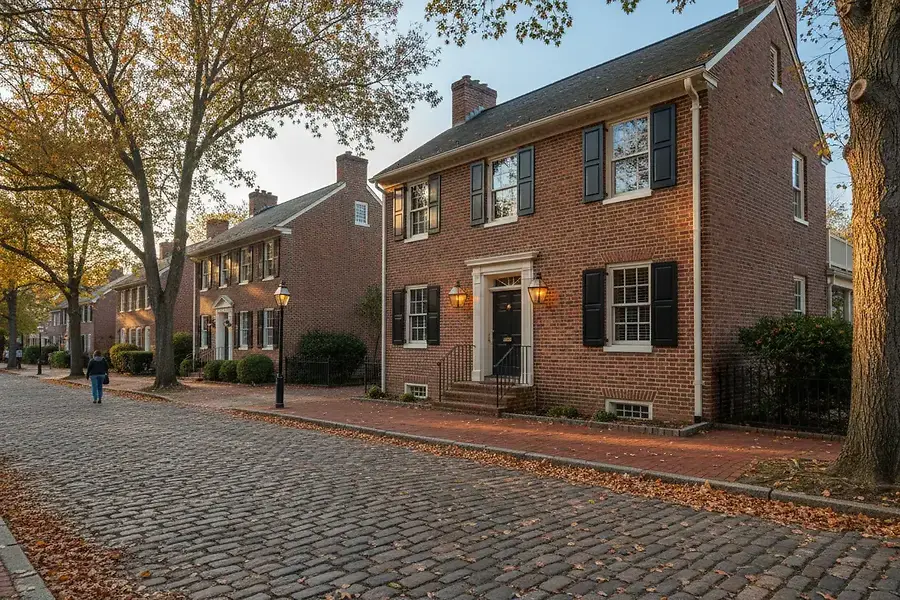
Understanding Williamsburg's Historic District Regulations and Their Impact on Property Value
Williamsburg's Historic District is one of America's most carefully preserved colonial communities, and this distinction comes with specific regulatory frameworks that significantly influence property values and ownership experiences. The Colonial Williamsburg Foundation and local preservation boards maintain strict guidelines designed to protect the architectural integrity and historical character of the area.
Before purchasing property in the Historic District, buyers must understand that exterior modifications, renovations, and even paint color choices require approval from the architectural review board. These regulations can affect everything from the type of roofing materials you can use to the style of windows and doors permitted on your home. While these restrictions might seem limiting, they actually protect property values by ensuring the neighborhood maintains its distinctive charm and historical authenticity.
How Preservation Requirements Affect Your Investment
Properties in the Historic District often command premium prices compared to similar homes outside the district, largely due to their protected status and guaranteed preservation of neighborhood character. However, potential buyers should budget for compliance costs when planning renovations. Working with contractors experienced in historic preservation is essential and may cost more than standard construction work.
The good news? Historic properties often qualify for tax credits and grants that can offset renovation expenses. Federal and state historic preservation tax credits can provide substantial financial incentives for property owners who undertake qualified restoration projects.
Key Neighborhoods in Historic Williamsburg: Where to Buy and What to Expect
Williamsburg's Historic District encompasses several distinct neighborhoods, each with its own character, price range, and appeal. Understanding these areas helps buyers identify the best fit for their lifestyle and investment goals.
The Colonial Core
The heart of Historic Williamsburg features properties closest to the Colonial Williamsburg Foundation's restored buildings and museums. These homes offer unparalleled historical significance and are ideal for buyers seeking authentic colonial-era architecture. Expect premium pricing and smaller lot sizes in this highly desirable area.
Residential Neighborhoods Beyond the Core
Areas surrounding the colonial core offer more spacious properties and slightly more affordable pricing while maintaining the same strict preservation standards. These neighborhoods attract families and investors seeking the historic charm with more room and privacy. Properties here often feature larger yards and more contemporary additions that comply with historic guidelines.
Waterfront and Transitional Areas
Properties near the York River or in transitional zones between the Historic District and modern Williamsburg offer unique opportunities. These areas may have more flexibility in renovation options while still maintaining historical character. Waterfront properties command premium prices due to their scenic views and recreational access.
Pricing and Investment Potential in Colonial Williamsburg's Residential Market
The residential real estate market in Williamsburg's Historic District demonstrates strong investment potential, though pricing varies significantly based on location, property condition, and historical significance.
Current Market Trends
Historic properties in Williamsburg have shown consistent appreciation over the years, with demand remaining strong among both primary residence buyers and investors. The combination of tourism, educational institutions, and cultural attractions creates a stable market foundation. Properties that successfully balance historical authenticity with modern amenities tend to appreciate most rapidly.
Investment Considerations
- Rental Potential: Historic homes in Williamsburg attract vacation renters and long-term tenants seeking unique properties, creating income opportunities for investors
- Appreciation Rates: Properties in well-maintained neighborhoods typically appreciate at rates exceeding broader market averages
- Renovation Costs: Budget 15-25% more for historic-compliant renovations compared to standard construction
- Insurance and Maintenance: Older homes may have higher insurance and maintenance costs, which should factor into investment calculations
Identifying Value Opportunities
Savvy investors look for properties that need cosmetic updates rather than structural work, as these can be completed more affordably while maintaining compliance. Properties with existing modern systems (electrical, plumbing, HVAC) that are hidden behind historically accurate exteriors often represent the best value propositions.
Working with Local Agents Who Understand Historic Property Nuances
Successfully navigating Williamsburg's historic real estate market requires partnering with agents who possess specialized knowledge of preservation regulations, local market dynamics, and the unique challenges and opportunities these properties present.
What to Look for in a Historic Property Agent
Choose agents with proven experience in historic district transactions. They should understand:
- Colonial Williamsburg Foundation guidelines and architectural review processes
- Local preservation board requirements and approval timelines
- Historic tax credit opportunities and documentation requirements
- Contractor networks specializing in historic preservation work
- Accurate pricing based on historical significance and condition
The Agent's Role in Your Transaction
A knowledgeable local agent serves as your guide through the complexities of historic property ownership. They can identify potential issues before they become problems, connect you with qualified contractors, and help you understand the true costs of ownership. They'll also ensure you're aware of any pending preservation projects or neighborhood changes that might affect your property value.
Building Your Advisory Team
Beyond your real estate agent, consider assembling a team including a historic preservation specialist, an accountant familiar with historic tax credits, and a contractor experienced in colonial-era construction. This collaborative approach ensures you make informed decisions and maximize your investment potential.
"The key to successful historic property investment is understanding that you're not just buying a house—you're becoming a steward of American history. The right guidance makes all the difference."
Conclusion
Williamsburg's Historic District offers exceptional opportunities for homebuyers and investors willing to embrace the unique requirements of historic property ownership. By understanding preservation regulations, exploring diverse neighborhoods, evaluating investment potential, and working with knowledgeable local professionals, you can make confident decisions in this distinctive market. Whether you're seeking a primary residence steeped in colonial charm or an investment property with strong appreciation potential, Williamsburg's historic neighborhoods deserve serious consideration.


