Navigating Zoning Laws for Commercial Development in Augusta
A practical guide to understanding local zoning regulations and securing approvals for your commercial project.

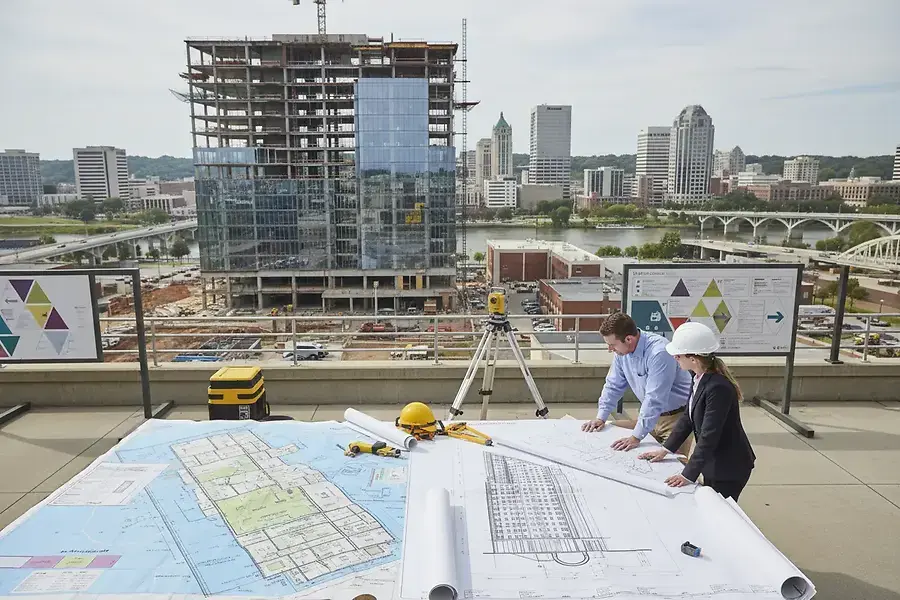
Why Zoning Matters for Commercial Success
Starting a commercial venture in Augusta requires more than just a great business idea and adequate funding. Understanding and complying with local zoning laws is fundamental to your project's success. Zoning regulations dictate where specific types of businesses can operate, what structures can be built, and how properties can be used within the city.
Many entrepreneurs overlook zoning requirements during the planning phase, only to face costly delays, legal challenges, or project rejections later. By taking time to understand Augusta's zoning framework upfront, you can avoid these pitfalls and streamline your path to opening day. Zoning compliance isn't just a legal requirement—it's a strategic advantage that protects your investment and ensures community harmony.
Whether you're planning a retail storefront, office building, industrial facility, or mixed-use development, zoning laws will directly impact your project's feasibility, timeline, and budget. Let's explore what you need to know to navigate this essential aspect of commercial development.
Understanding Augusta's Zoning Districts and Restrictions
The Zoning District System
Augusta divides the city into multiple zoning districts, each designed to serve specific purposes and maintain neighborhood character. The primary zoning categories include:
- Residential Districts (R-1, R-2, R-3): Designated for single-family homes, duplexes, and multi-family residential properties. Commercial activities are generally prohibited in these zones.
- Commercial Districts (C-1, C-2, C-3): Designed for retail, office, and service businesses. These districts vary in intensity, with C-1 being neighborhood-oriented and C-3 accommodating larger commercial operations.
- Industrial Districts (I-1, I-2): Reserved for manufacturing, warehousing, and heavy industrial uses. I-1 allows lighter industrial operations, while I-2 permits more intensive industrial activities.
- Mixed-Use Districts (MU): Allow combinations of residential, commercial, and office spaces in integrated developments, promoting walkable communities.
Key Zoning Restrictions
Beyond district designation, Augusta's zoning code establishes specific restrictions that affect your commercial project:
- Setback Requirements: Minimum distances your building must maintain from property lines and streets. These vary by district and building type.
- Height Limitations: Maximum building heights are specified for each zoning district to maintain visual consistency and prevent overshadowing.
- Lot Coverage: The percentage of your lot that can be covered by structures. This ensures adequate open space and parking areas.
- Parking Requirements: Minimum parking spaces required based on your business type and square footage. This is often a significant factor in project planning.
- Use Restrictions: Specific prohibitions on certain business types within particular zones. For example, heavy manufacturing may be prohibited in C-1 commercial districts.
Variances and Conditional Uses
If your project doesn't perfectly fit within existing zoning regulations, you have options. Variances allow you to deviate from specific zoning requirements when strict compliance creates undue hardship. Conditional use permits enable certain uses in a district that aren't automatically allowed but may be appropriate under specific conditions.
Both require applications, public hearings, and approval from the Zoning Board of Appeals or City Council. While these processes add time and expense, they provide pathways for projects that don't fit standard categories.
The Approval Process: Steps to Obtain Zoning Compliance
Step 1: Pre-Application Consultation
Before investing significant resources, schedule a pre-application meeting with Augusta's Planning and Zoning Department. Bring your project concept, site plans, and business description. Staff can identify potential zoning issues early and suggest solutions, potentially saving you months of work and thousands of dollars.
Step 2: Verify Zoning Compliance
Obtain an official zoning verification letter for your property. This document confirms the current zoning district and lists applicable regulations. Review it carefully against your project requirements. If your intended use is permitted, you can proceed with confidence. If not, explore variance or conditional use options.
Step 3: Prepare Comprehensive Documentation
Develop detailed site plans, architectural drawings, and a written project description that demonstrates compliance with zoning requirements. Include:
- Property survey showing lot dimensions and boundaries
- Site plan indicating building placement, parking, landscaping, and access points
- Floor plans and building elevations
- Traffic impact analysis if applicable
- Parking calculations and layout
- Proof of setback and height compliance
Step 4: Submit Your Application
File your zoning compliance application with the Planning and Zoning Department. Include all required documentation and applicable fees. The department will review your submission for completeness and may request additional information. Respond promptly to any requests to keep your application moving forward.
Step 5: Public Notification and Hearing
For variance or conditional use applications, the city will notify neighboring property owners and schedule a public hearing. Prepare to present your project professionally, addressing how it meets zoning criteria and benefits the community. Be ready to answer questions from board members and address neighbor concerns respectfully.
Step 6: Obtain Approval and Permits
Once zoning approval is granted, you can proceed with building permits and other necessary approvals. Keep your zoning approval documentation accessible throughout construction to demonstrate compliance with approved plans.
Timeline Expectations
Standard zoning compliance verification typically takes 2-4 weeks. Variance and conditional use applications require public hearings and may take 6-12 weeks or longer, depending on complexity and public interest. Plan accordingly in your project timeline.
Partner with a Local Expert for Smooth Development
Augusta's zoning regulations are detailed and nuanced. While this guide provides an overview, every project has unique circumstances. Partnering with a local zoning attorney, planning consultant, or experienced real estate professional can be invaluable.
These experts understand local politics, planning trends, and decision-maker preferences. They can identify potential issues before they become problems, negotiate with city staff, and represent your interests during public hearings. The investment in professional guidance often pays for itself through faster approvals and avoided costly mistakes.
Your commercial development success in Augusta depends on understanding and respecting the zoning framework that governs land use. By taking a methodical, informed approach and seeking expert guidance when needed, you can navigate the approval process confidently and bring your vision to life.


