Navigating Zoning Laws for Mixed-Use Properties in Springfield, MO
Learn how to identify and develop commercial-residential properties that maximize your investment potential in Springfield's growing market.

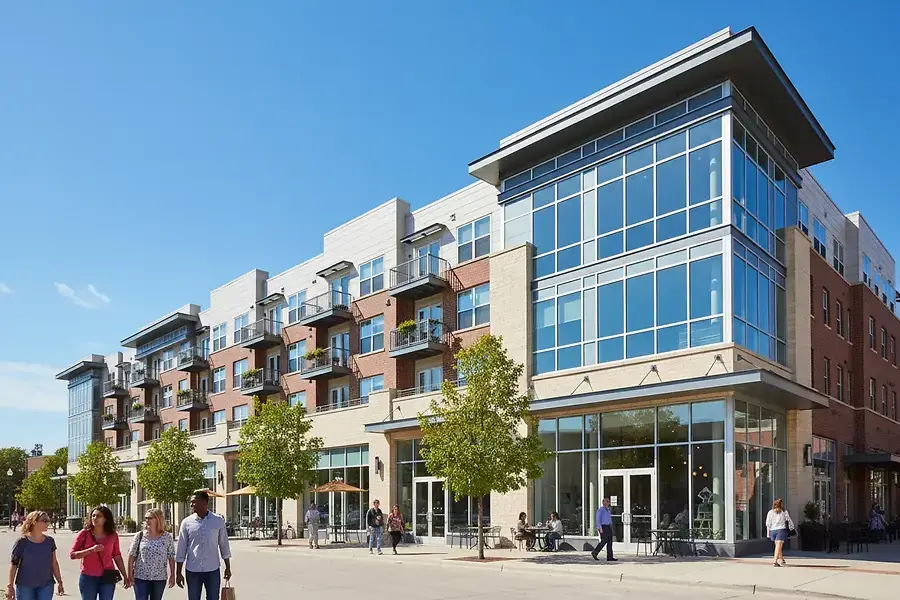
Understanding Mixed-Use Zoning Opportunities
Mixed-use properties represent one of the most dynamic and profitable real estate opportunities in Springfield, Missouri. These developments combine residential, commercial, and sometimes office spaces within a single property or building complex, creating vibrant communities that attract diverse tenants and customers. For investors and developers, understanding how to navigate Springfield's zoning laws is crucial to unlocking the full potential of these properties.
The Springfield real estate market has experienced significant growth in recent years, with increasing demand for walkable neighborhoods and integrated commercial-residential spaces. This trend creates an ideal environment for mixed-use development, but success requires a thorough understanding of local zoning regulations and compliance requirements.
Key Zoning Regulations and Compliance Requirements for Springfield Properties
Understanding Springfield's Zoning Districts
Springfield's zoning code designates specific districts that permit mixed-use development. The most common zones for mixed-use properties include:
- Downtown Mixed-Use (DMU) Districts: These zones encourage vertical mixed-use development with retail on ground floors and residential or office space above.
- Commercial Mixed-Use (CMU) Districts: Designed for properties that blend commercial operations with residential components.
- Neighborhood Mixed-Use (NMU) Districts: Smaller-scale developments that integrate commercial services with residential housing in neighborhood settings.
Essential Compliance Requirements
Before developing a mixed-use property, you must ensure compliance with several key requirements:
- Parking Requirements: Mixed-use properties must provide adequate parking for both residential and commercial tenants. Springfield typically requires 1-2 spaces per residential unit and 1 space per 250-400 square feet of commercial space.
- Building Height and Setback Standards: Different zones have specific height limitations and setback requirements that vary based on the district and surrounding properties.
- Use Restrictions: Certain commercial uses may be prohibited or restricted in mixed-use zones. Always verify that your intended commercial operations align with zoning allowances.
- Density Requirements: Residential density limits determine how many units can be built per acre, directly affecting your project's profitability.
- Conditional Use Permits: Some mixed-use developments require conditional use permits, which involve additional review and approval processes.
The Approval Process
Developing a mixed-use property in Springfield typically involves multiple approval stages. First, submit a zoning verification letter to confirm your property's current zoning designation. Next, if your project requires variances or conditional use permits, you'll need to present your proposal to the Springfield Planning and Zoning Commission. This process usually takes 60-90 days and requires detailed site plans, architectural renderings, and impact assessments.
Pro Tip: Engage with the city planning department early in your development process. Their guidance can help you avoid costly mistakes and streamline the approval timeline.
Evaluating Profitability and Market Demand for Mixed-Use Developments
Market Analysis and Demand Assessment
Before investing in a mixed-use property, conduct a thorough market analysis to understand local demand. Consider these factors:
- Residential Demand: Analyze rental rates, vacancy rates, and demographic trends in your target area. Springfield's younger population increasingly seeks walkable neighborhoods with mixed-use amenities.
- Commercial Viability: Evaluate the demand for retail and office space. Proximity to employment centers, schools, and entertainment venues significantly impacts commercial tenant interest.
- Foot Traffic Patterns: Properties with high pedestrian traffic generate better returns for ground-floor commercial tenants.
- Competition Analysis: Research existing mixed-use developments in your area to identify gaps in the market and assess competitive positioning.
Financial Projections and ROI Calculations
Mixed-use properties offer multiple revenue streams, which can enhance overall returns. Calculate your potential return on investment by projecting:
- Residential rental income based on market rates and occupancy assumptions
- Commercial lease revenue from retail or office tenants
- Parking revenue if applicable
- Operating expenses including maintenance, property management, and utilities
- Debt service if financing the project
Mixed-use properties typically generate 15-25% higher returns than single-use developments due to diversified income streams and reduced vacancy risk.
Location and Accessibility Considerations
The success of mixed-use properties heavily depends on location. Properties near public transportation, major employment centers, and entertainment districts command premium rents and attract quality tenants. Springfield's downtown revitalization efforts have created exceptional opportunities in central locations where mixed-use development is actively encouraged through zoning incentives and tax benefits.
Taking Action on Your Mixed-Use Real Estate Goals
Now that you understand Springfield's zoning landscape and profitability factors, it's time to take action. Start by identifying properties in mixed-use zones that align with your investment criteria. Consult with a local real estate attorney and zoning specialist to review your specific property and development plans.
Next, engage with the Springfield Planning and Zoning Commission and city officials to understand any unique opportunities or challenges for your project. Many cities offer incentives for mixed-use development, including tax abatements, density bonuses, and expedited permitting.
Finally, assemble a strong development team including architects, engineers, contractors, and property managers experienced in mixed-use projects. Their expertise will help you navigate the complexities of zoning compliance while maximizing your investment returns.
Mixed-use properties represent a compelling opportunity for investors ready to navigate Springfield's zoning requirements and capitalize on the city's growing demand for integrated commercial-residential spaces. With proper planning, market analysis, and regulatory compliance, you can develop properties that generate strong returns while contributing to Springfield's vibrant urban landscape.


