Navigating Zoning Laws for Mixed-Use Properties in the Lowcountry
Master the regulatory landscape to unlock residential-commercial development opportunities across Hilton Head, Bluffton, Beaufort, Hardeeville, and Savannah.

Understanding Zoning Classifications and Their Impact on Property Value
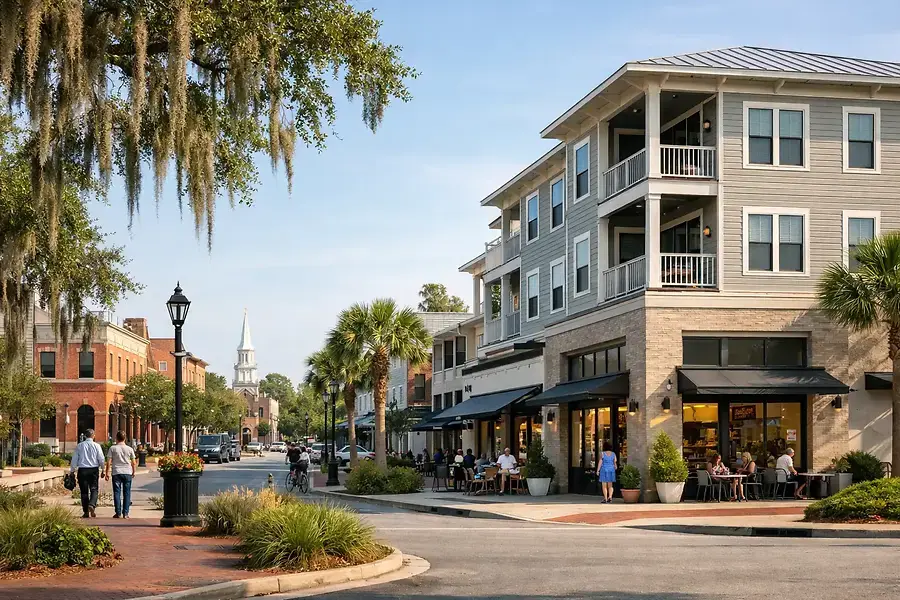
Zoning laws form the backbone of real estate development in the Lowcountry, dictating how properties can be used and developed. Mixed-use properties—those combining residential and commercial elements—represent some of the most valuable and complex investments in the region. Understanding zoning classifications is essential for anyone looking to maximize property value and unlock development potential.
Zoning classifications typically fall into several categories: residential, commercial, industrial, and mixed-use. Each classification carries specific regulations regarding building height, setback requirements, parking ratios, and permitted uses. Properties zoned for mixed-use development command premium prices because they offer flexibility and multiple revenue streams, but only when developers understand and comply with local regulations.
How Zoning Affects Property Valuation
A property's zoning designation directly influences its market value. Mixed-use zoning in high-demand areas like downtown Hilton Head or Beaufort's historic district can increase property values by 20-40% compared to single-use zoning. This premium reflects the property's ability to generate income from multiple sources—ground-floor retail with upper-level apartments, for example, or office space combined with residential units.
However, restrictive zoning can significantly limit value. Properties zoned strictly residential in areas where commercial development is prohibited may face challenges if market conditions shift. Conversely, properties with flexible mixed-use zoning provide insurance against market changes and offer investors greater control over their development strategy.
Key Regulatory Differences Across the Lowcountry Region
The Lowcountry spans multiple municipalities, each with distinct zoning ordinances and development philosophies. Understanding these differences is crucial for investors operating across the region.
Hilton Head Island
Hilton Head maintains some of the most stringent zoning regulations in the Lowcountry, reflecting its planned community heritage. The island's zoning code emphasizes environmental protection and aesthetic consistency. Mixed-use development is permitted in designated areas, particularly along US 278 and in the Town Center district, but requires careful attention to:
- Architectural design standards
- Stormwater management requirements
- Traffic impact assessments
- Environmental sensitivity area protections
Bluffton
Bluffton's zoning code has evolved to encourage mixed-use development as a strategy for downtown revitalization. The town offers more flexibility than Hilton Head while maintaining character standards. Key considerations include:
- Downtown overlay districts with reduced parking requirements
- Form-based code provisions that prioritize building design over use restrictions
- Incentives for adaptive reuse of historic structures
Beaufort
Beaufort's historic downtown district operates under specialized zoning that balances preservation with development. The city encourages mixed-use projects that respect the area's architectural heritage. Variance requests and conditional use permits are common tools for achieving compliant mixed-use development in this market.
Hardeeville
As a growing municipality, Hardeeville offers more liberal zoning policies to attract development. Mixed-use zoning is readily available, and the approval process tends to be more streamlined than in established Lowcountry communities. This makes Hardeeville attractive for investors seeking faster project timelines.
Savannah
Savannah's zoning framework reflects its historic urban character. The city's mixed-use zoning is concentrated in specific districts, with particular emphasis on historic district overlays. Developers must navigate both municipal zoning and historic preservation requirements, which can extend timelines but protect property values through controlled development.
Strategies for Identifying Zoning-Compliant Investment Opportunities
Successful mixed-use investors employ systematic approaches to identify properties with strong zoning potential.
Conduct Thorough Zoning Research
Begin by obtaining official zoning maps and ordinances from each municipality's planning department. These documents reveal permitted uses, dimensional requirements, and conditional use possibilities. Don't rely on online maps alone—contact planning staff directly to clarify ambiguous language or recent amendments.
Analyze Zoning Trends and Future Plans
Review comprehensive plans and future land use maps. Municipalities often signal future zoning changes years in advance. Properties positioned to benefit from anticipated zoning amendments can offer exceptional value. For example, areas designated for future mixed-use development in comprehensive plans may currently be zoned single-use but represent strong acquisition targets.
Evaluate Conditional Use and Variance Potential
Not all mixed-use opportunities require properties already zoned for such use. Many municipalities allow conditional uses or variances that permit mixed-use development under specific conditions. Understanding the approval criteria and community sentiment toward such requests is essential. Properties with strong variance potential may offer better value than those already zoned appropriately.
Assess Infrastructure and Market Readiness
Zoning compliance is only part of the equation. Evaluate whether infrastructure—utilities, roads, parking—can support your intended mixed-use development. Properties in areas with adequate infrastructure and demonstrated market demand for mixed-use space command higher values and face fewer approval obstacles.
Build Relationships with Planning Officials
Experienced investors maintain ongoing relationships with planning directors and staff across the Lowcountry. These relationships provide early insight into zoning changes, help clarify regulatory interpretation, and can smooth the approval process. Planning officials appreciate developers who demonstrate genuine understanding of local regulations.
Conclusion: Positioning Yourself as a Zoning Expert in Your Market
Mastering zoning laws transforms mixed-use property investment from speculative to strategic. The Lowcountry's diverse regulatory landscape—from Hilton Head's strict standards to Hardeeville's growth-friendly policies—creates opportunities for informed investors who understand local nuances.
Success requires three commitments:
- Continuous learning about municipal zoning codes and amendments
- Systematic analysis of zoning potential before acquisition
- Proactive engagement with planning departments and community stakeholders
Investors who develop genuine expertise in Lowcountry zoning laws gain competitive advantages in identifying undervalued properties, navigating approval processes efficiently, and maximizing returns on mixed-use developments. In a region where zoning regulations vary significantly across municipalities, this expertise becomes a valuable asset that distinguishes successful developers from the competition.


