NC Home Investment Trends: Which Communities Offer Best Appreciation Potential
Discover which North Carolina neighborhoods are experiencing strong property value growth and why smart buyers are investing in these emerging markets.

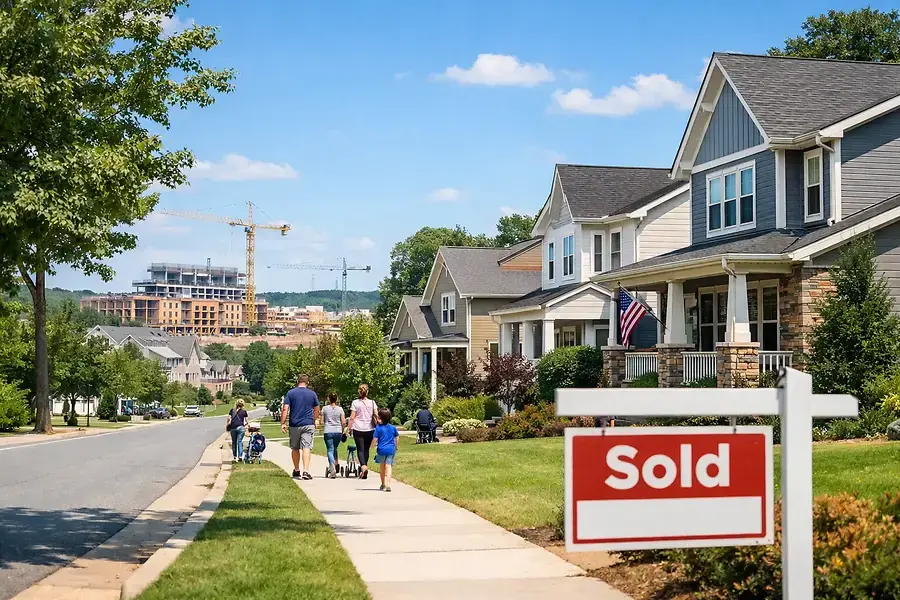
Introduction: Understanding NC's Real Estate Investment Landscape
North Carolina has emerged as one of the most dynamic real estate markets in the Southeast, attracting investors and homebuyers seeking strong appreciation potential. The state's combination of economic growth, population migration, and diverse community development has created unique opportunities for those looking to build wealth through property investment. Unlike markets that rely on a single industry or demographic trend, North Carolina's real estate strength is built on multiple factors that continue to drive demand and value growth.
The state's appeal extends beyond traditional urban centers. From the mountains to the coast, and from established cities to emerging suburban communities, North Carolina offers varied investment opportunities suited to different strategies and timelines. Understanding these trends is essential for making informed investment decisions in this competitive market.
High-Growth Communities: Where Property Values Are Climbing Fastest
The Triangle Region's Continued Expansion
The Research Triangle area—comprising Raleigh, Durham, and Chapel Hill—continues to lead North Carolina's appreciation metrics. The region's tech industry growth, coupled with the presence of major universities and research institutions, creates a stable foundation for sustained property value increases. Neighborhoods surrounding downtown Raleigh and emerging areas in north Raleigh are experiencing particularly strong growth as young professionals and families seek proximity to employment centers.
Charlotte's Suburban Boom
Charlotte's metropolitan area has expanded significantly, with suburban communities experiencing remarkable appreciation. Areas like South End, Ballantyne, and emerging neighborhoods in the outer suburbs are attracting investors seeking both rental income and long-term value growth. The city's role as a major financial hub continues to drive population influx and housing demand.
Greensboro and Winston-Salem's Renaissance
Often overlooked by national investors, Greensboro and Winston-Salem are experiencing revitalization that's creating excellent entry points for appreciation-focused buyers. Downtown redevelopment projects, improved walkability, and growing job markets are transforming these communities into attractive investment destinations. Properties in these markets often offer better value than their Triangle or Charlotte counterparts while maintaining strong growth potential.
Coastal Market Opportunities
Wilmington and surrounding coastal communities are attracting investors interested in both primary residences and vacation rental properties. The combination of tourism appeal, film industry presence, and lifestyle factors creates multiple revenue streams for property owners. Emerging neighborhoods inland from the coast offer appreciation potential without the premium pricing of beachfront properties.
Long-Term Appreciation Factors: What Makes Certain Areas Outperform
Employment Growth and Economic Diversification
Communities with diverse employment opportunities consistently outperform those dependent on single industries. Areas with growing tech sectors, healthcare facilities, educational institutions, and manufacturing centers attract more residents and create stronger demand for housing. This economic stability translates directly into property value appreciation over time.
Population Migration Patterns
North Carolina continues to attract residents from other states, particularly from the Northeast and Midwest. This migration is driven by factors including lower cost of living, favorable tax policies, and quality of life considerations. Communities positioned to capture this migration—through good schools, amenities, and proximity to employment—experience stronger appreciation.
Infrastructure and Development
Strategic infrastructure investments signal future growth potential. Communities receiving new highway improvements, public transportation expansion, or commercial development often see property values increase ahead of the actual completion of these projects. Smart investors monitor development pipelines to identify emerging opportunities.
School Quality and Family Appeal
Properties in areas with highly-rated schools consistently command premiums and appreciate faster than those in lower-rated districts. Families prioritize education, making school quality a primary driver of demand and property values. Communities investing in educational excellence create sustainable appreciation foundations.
Walkability and Lifestyle Amenities
Modern buyers increasingly value walkable neighborhoods with access to restaurants, retail, parks, and entertainment. Communities developing mixed-use spaces and prioritizing pedestrian-friendly design attract younger demographics willing to pay premiums for lifestyle convenience. This trend is reshaping property values across North Carolina's urban and suburban markets.
Affordability Relative to Comparable Markets
North Carolina's relative affordability compared to neighboring states creates a competitive advantage. As prices rise in Virginia, South Carolina, and other regions, North Carolina communities offer better value while maintaining strong growth potential. This positioning attracts both owner-occupants and investors seeking appreciation with reasonable entry prices.
Conclusion: Making Your Investment Decision in NC's Diverse Markets
North Carolina's real estate market offers diverse opportunities for investors with varying goals and timelines. Whether seeking rapid appreciation in high-growth urban areas or steady value increases in emerging communities, the state provides multiple pathways to real estate wealth building.
Key takeaways for potential investors include:
- Research employment trends and economic diversity in target communities
- Monitor infrastructure development and future growth plans
- Consider school quality and demographic trends when evaluating neighborhoods
- Evaluate walkability and lifestyle amenities that appeal to modern buyers
- Compare pricing relative to comparable markets and historical appreciation rates
- Work with local real estate professionals who understand community-specific dynamics
The most successful real estate investors combine data-driven analysis with local market knowledge. North Carolina's diverse communities each have unique characteristics that drive appreciation. By understanding these factors and identifying communities aligned with your investment strategy, you can position yourself to benefit from the state's continued growth and economic development.
The window for entry into emerging North Carolina markets remains open, but as more investors recognize these opportunities, prices will continue climbing. Taking action now in communities showing strong fundamentals could yield significant returns as these markets mature and attract broader investor attention.