Negotiating Home Inspection Repairs: A Columbus Buyer's Guide
Learn proven strategies to address inspection findings and protect your investment when purchasing a home in Columbus, OH.

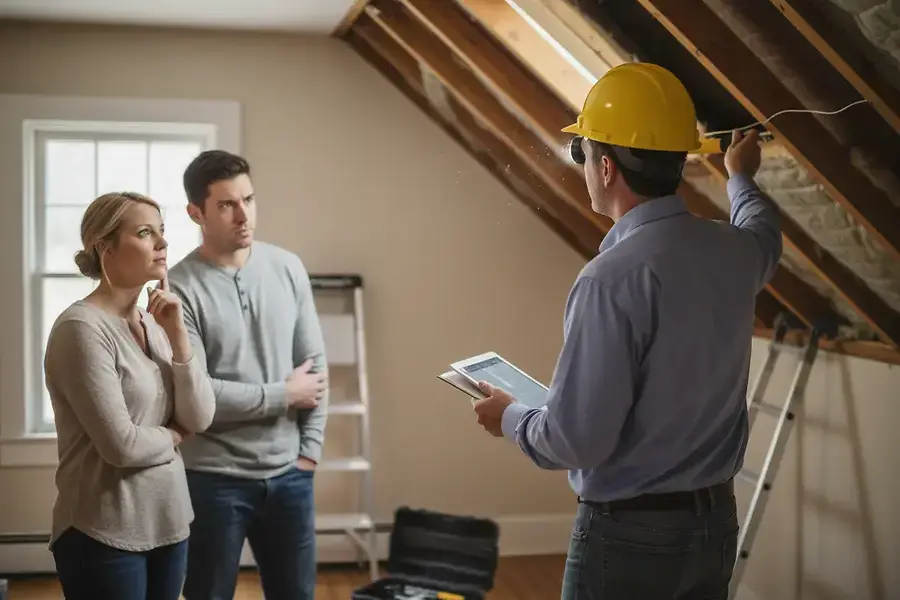
Why Home Inspection Negotiations Matter
Purchasing a home is one of the most significant financial decisions you'll make. In Columbus, Ohio's competitive real estate market, understanding how to effectively negotiate repairs discovered during a home inspection can save you thousands of dollars and prevent costly surprises after closing. A thorough home inspection reveals the true condition of a property, but the inspection report is just the beginning—what matters most is how you handle the findings.
Home inspection negotiations are a critical phase of the buying process. Rather than accepting inspection results passively, savvy buyers use this information as a negotiating tool to either request repairs from the seller, ask for credits toward repairs, or renegotiate the purchase price. This guide will equip you with the strategies needed to protect your investment and secure the best possible outcome.
Understanding Common Inspection Issues in Columbus Homes
Typical Problems Found in Columbus Properties
Columbus homes, particularly older properties, often present specific inspection challenges related to the region's climate and construction standards. Understanding these common issues helps you prioritize which findings require immediate attention.
- Roof and Gutter Issues: Ohio's weather patterns, including heavy snow and ice, can accelerate roof deterioration. Missing shingles, improper drainage, and gutter problems are frequently discovered during inspections.
- Foundation Concerns: Older Columbus homes may have foundation cracks or settling issues due to soil composition and age. These range from cosmetic to serious structural problems.
- HVAC System Age: Many homes have aging heating and cooling systems that may need replacement soon, representing a significant expense.
- Plumbing and Water Issues: Outdated plumbing, water heater age, and potential water intrusion are common findings in Columbus properties.
- Electrical System Updates: Older homes may have outdated electrical panels or wiring that doesn't meet current safety standards.
- Basement Moisture: Columbus's climate can lead to basement dampness or water seepage, particularly in older homes without proper waterproofing.
Prioritizing Inspection Findings
Not all inspection issues carry equal weight. Safety-related problems—such as electrical hazards, structural damage, or mold—should be your top priority. Major systems like roofing, HVAC, and plumbing that are nearing the end of their lifespan warrant serious negotiation. Cosmetic issues and minor repairs are typically lower priority and may not be worth negotiating.
Strategies for Negotiating Repairs with Sellers
Strategy 1: Request Repairs Instead of Credits
When the inspection reveals significant issues, your first option is requesting that the seller complete repairs before closing. This approach offers several advantages: you know the work is being done, you can verify quality, and you avoid the hassle of managing contractors yourself. However, sellers often prefer this option less frequently, as it requires them to hire contractors and manage timelines.
Best for: Major repairs requiring licensed professionals, such as roof replacement or foundation work.
Strategy 2: Negotiate a Repair Credit
A repair credit allows you to deduct an agreed-upon amount from the purchase price, giving you funds to hire your own contractors. This approach provides flexibility and control over the repair process. Calculate repair costs realistically by obtaining multiple contractor estimates. Don't lowball your numbers—sellers will likely counter with lower figures, so start with well-documented, professional estimates.
Best for: Repairs you can manage independently or coordinate with trusted contractors.
Strategy 3: Request a Price Reduction
Rather than negotiating specific repairs, you can request a reduction in the purchase price to account for the property's condition. This gives you maximum flexibility to address issues on your timeline and potentially negotiate better contractor rates. This strategy works well when multiple issues exist, making it difficult to calculate exact repair costs.
Best for: Properties with numerous minor to moderate issues or when you plan to renovate anyway.
Strategy 4: Walk Away or Renegotiate Terms
Sometimes the inspection reveals problems serious enough to reconsider the purchase entirely. If the seller refuses reasonable negotiations and repair costs are substantial, walking away protects your financial interests. Alternatively, you might renegotiate the entire deal—adjusting the purchase price, closing timeline, or other terms to reflect the property's true condition.
Negotiation Best Practices
- Obtain Professional Estimates: Never negotiate based on guesswork. Get written estimates from licensed contractors for all major repairs. Sellers take documented costs seriously.
- Prioritize Strategically: Focus negotiations on significant, safety-related, or system-critical issues. Don't waste negotiating capital on minor cosmetic problems.
- Be Reasonable and Professional: Approach negotiations collaboratively. Unreasonable demands often backfire, causing sellers to become defensive or walk away entirely.
- Use Your Real Estate Agent: Your agent understands local market conditions and can advise on what's reasonable to request. They also buffer direct confrontation between buyer and seller.
- Document Everything: Keep copies of the inspection report, contractor estimates, and all written communications regarding negotiations.
- Know Your Walk-Away Point: Determine in advance how much you're willing to invest in repairs. If negotiations don't meet your threshold, be prepared to walk away.
- Consider Timing: In a buyer's market, you have more negotiating power. In a seller's market, be more flexible and strategic about which issues to pursue.
Common Negotiation Mistakes to Avoid
Many buyers make the mistake of requesting repairs for every minor issue found in the inspection report. This approach weakens your negotiating position and frustrates sellers. Instead, focus on significant problems that genuinely affect the home's value, safety, or major systems.
Additional mistakes include:
- Failing to get professional repair estimates before making requests
- Negotiating emotionally rather than factually
- Ignoring your agent's advice about market conditions
- Requesting repairs that are the buyer's responsibility (like cosmetic updates)
- Delaying negotiations—address inspection findings promptly before the inspection contingency expires
Securing the Best Outcome for Your Purchase
Successful home inspection negotiations require preparation, knowledge, and strategic thinking. By understanding common Columbus inspection issues, obtaining professional repair estimates, and approaching negotiations professionally, you can protect your investment and secure favorable terms.
Remember that the goal isn't to "win" against the seller—it's to ensure you're making an informed purchase and not inheriting unexpected, expensive problems. A well-negotiated inspection resolution gives you peace of mind and financial security in your new Columbus home.
Take action: Schedule your home inspection early in the buying process, review findings carefully with your real estate agent, and approach negotiations with documented facts and reasonable expectations. Your future self will thank you for the diligence invested today.