Negotiating Home Repairs and Credits: A Buyer's Complete Guide
Learn strategic tactics to request repairs or credits based on inspection findings and protect your investment.

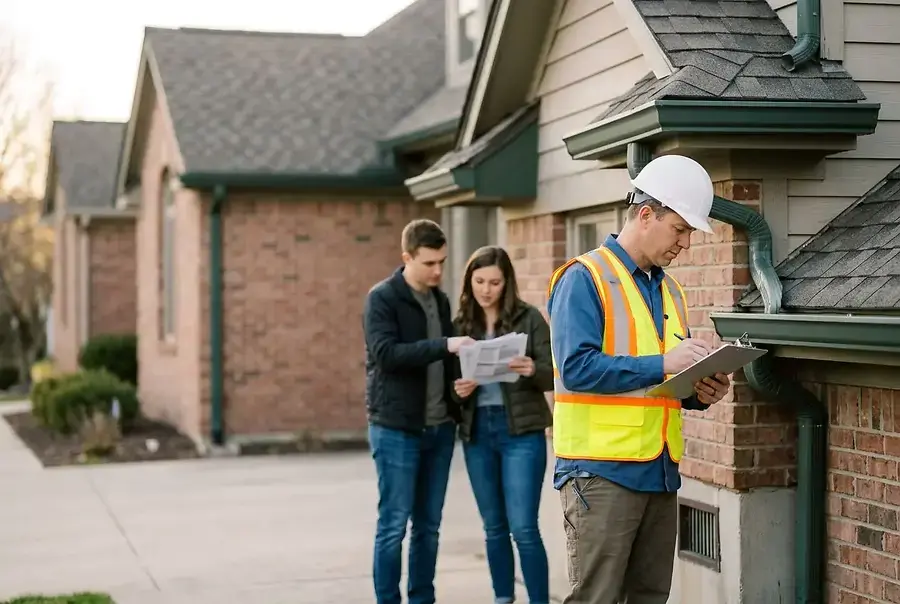
Why Post-Inspection Negotiations Matter
A home inspection is one of the most critical steps in the home buying process. It reveals the true condition of the property you're about to invest in—often your largest financial commitment. However, receiving an inspection report is just the beginning. What happens next can significantly impact your financial outcome and the quality of your new home.
Post-inspection negotiations give you leverage to address problems discovered during the inspection. Whether you choose to request repairs or credits, these negotiations protect your investment and ensure you're not inheriting costly surprises after closing. Understanding how to navigate this process strategically can save you thousands of dollars.
Understanding Common Inspection Issues and Their Costs
Major Systems and Structural Concerns
The most expensive issues typically involve major home systems. Roof repairs or replacement can range from $5,000 to $25,000 depending on size and materials. HVAC system failures may cost $3,000 to $8,000, while foundation problems can exceed $10,000. Electrical and plumbing issues vary widely but often require specialized contractors.
Common Mid-Range Issues
Many inspections reveal issues that fall in the $1,000 to $5,000 range:
- Water damage or mold in attics or basements
- Failing windows or doors
- Outdated or malfunctioning appliances
- Deck or porch deterioration
- Gutter and downspout problems
Minor Issues Worth Noting
Smaller repairs under $1,000 include caulking, paint touch-ups, loose railings, and minor plumbing leaks. While individually minor, these can accumulate and affect your negotiating position.
Strategic Negotiation Tactics: Repairs vs. Credits
Deciding Between Repairs and Credits
When issues arise, you have two primary options: request that the seller make repairs before closing or request a credit toward closing costs. Each option has distinct advantages and disadvantages.
Requesting Repairs: This ensures the work is completed before you take ownership. You can specify contractors and oversee quality. However, sellers may hire the cheapest option, and disputes over workmanship can delay closing.
Requesting Credits: This gives you control over contractor selection and repair quality. You can shop around for the best value and ensure work meets your standards. The downside is you're responsible for coordinating repairs after closing, and you may face unexpected complications.
Prioritizing Your Requests
Don't request repairs for everything. Focus on major issues that affect safety, structural integrity, or significant functionality. Prioritize in this order:
- Safety hazards: Electrical problems, gas leaks, structural issues
- Major systems: Roof, HVAC, plumbing, foundation
- Water intrusion: Leaks, mold, moisture damage
- Significant functionality: Non-working appliances, failed systems
- Cosmetic issues: Paint, minor repairs (request credits only)
Crafting Your Negotiation Strategy
Present your requests professionally and reasonably. Include the inspection report, contractor estimates, and a clear explanation of why each item matters. Bundle requests strategically—asking for everything weakens your position, while asking for nothing leaves money on the table.
Consider the seller's perspective. If they're motivated to close quickly, they may accept reasonable requests. If the market favors sellers, be more selective. Always remain flexible and willing to compromise.
"The key to successful negotiations is understanding both parties' motivations and finding solutions that work for everyone. A reasonable approach often yields the best results."
Common Negotiation Scenarios
Scenario 1: Major System Failure
Request repair or substantial credit. Provide multiple contractor estimates to justify your request. This is non-negotiable territory.
Scenario 2: Multiple Minor Issues
Bundle them together and request a lump-sum credit. This is easier for sellers to accept than addressing each item individually.
Scenario 3: Borderline Issues
For items that might or might not need attention, request a smaller credit to address them yourself. This shows flexibility.
Closing the Deal: Finalizing Your Repair Agreement
Documenting Everything
Once you've reached an agreement, ensure it's documented in writing. Your real estate contract should include:
- Specific repairs to be completed or credits to be provided
- Timeline for completion (typically before closing)
- Contractor information if applicable
- Verification method (final walkthrough inspection)
- Contingency plans if repairs aren't completed
The Final Walkthrough
Never skip the final walkthrough before closing. Verify that all agreed-upon repairs have been completed to your satisfaction. Bring your inspection report and check each item. If repairs weren't done properly or credits weren't applied, address it immediately before signing closing documents.
When Repairs Fall Through
If the seller fails to complete agreed repairs, you have options: request an extension, accept a larger credit, or walk away if the contract allows. This is why clear documentation is essential. Your real estate agent and attorney can help enforce the agreement.
Moving Forward with Confidence
Negotiating home repairs and credits is a normal, expected part of the home buying process. By understanding inspection issues, prioritizing strategically, and negotiating professionally, you protect your investment and ensure you're making an informed decision.
Remember: the goal isn't to get everything for free—it's to ensure the home is safe, functional, and worth the price you're paying. A reasonable approach that respects both parties' interests often leads to successful negotiations and smooth closings.
With this guide in hand, you're equipped to navigate post-inspection negotiations with confidence and protect your most significant investment.