Negotiating Home Repairs and Credits After Your Inspection
Learn how to strategically request repairs and credits during the negotiation phase to protect your investment.

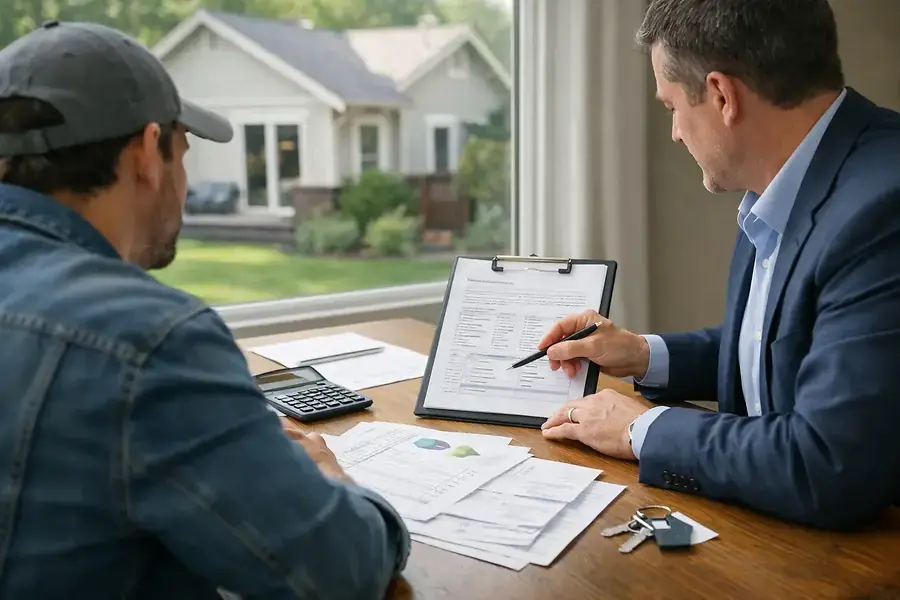
Understanding Common Inspection Issues and Their Costs
A home inspection reveals the true condition of your potential investment. Understanding what inspectors typically find helps you prepare for negotiations. Common issues include roof damage, HVAC system failures, plumbing leaks, electrical problems, and foundation concerns.
Each issue carries different price tags. Minor repairs like fixing a leaky faucet might cost $100-$300, while major issues like roof replacement can exceed $10,000. Familiarize yourself with average repair costs in your area before entering negotiations. This knowledge empowers you to request reasonable adjustments.
Categorizing Issues by Severity
Not all inspection findings are created equal. Organize issues into three categories:
- Critical Issues: Foundation problems, major structural damage, or significant safety hazards that require immediate attention
- Important Issues: HVAC failures, roof leaks, or plumbing problems that affect home functionality
- Minor Issues: Cosmetic damage, worn weatherstripping, or small repairs that don't impact safety or function
Prioritizing issues helps you focus negotiations on what truly matters. Sellers are more likely to address critical and important items than minor cosmetic concerns.
Getting Accurate Repair Estimates
Before presenting repair requests, obtain written estimates from licensed contractors. These documents provide credibility and prevent disputes about costs. Request multiple quotes for major repairs to establish fair market pricing. Share these estimates with the seller's agent to demonstrate that your requests are reasonable and based on professional assessments.
Presenting Repair Requests Professionally to Sellers
How you present repair requests significantly impacts the seller's willingness to negotiate. Professionalism and clarity are your greatest assets during this phase.
Crafting Your Repair Request Letter
Your repair request should be clear, organized, and factual. Include:
- A detailed list of inspection findings with specific locations
- Professional contractor estimates for each repair
- A clear statement of your request (repair or credit)
- A reasonable deadline for the seller's response
Avoid emotional language or accusations. Instead of saying "The seller clearly neglected this property," state "The inspection revealed a roof leak in the master bedroom that requires professional repair." This approach keeps negotiations professional and productive.
Choosing Between Repairs and Credits
You have two main options: request that the seller make repairs or ask for a credit toward closing costs. Each option has strategic advantages.
Request repairs when: You want to ensure work is completed before closing, you distrust the seller's contractor choices, or you want the seller's warranty on repairs.
Request credits when: You prefer to hire your own contractor, you want flexibility in timing, or you plan to negotiate a lower purchase price anyway.
Setting Realistic Expectations
Sellers rarely agree to every repair request. Expect to compromise. Prioritize your must-haves and identify items you're willing to concede. This flexibility demonstrates good faith and keeps negotiations moving forward.
Evaluating Seller Responses and Negotiation Tactics
The seller's response to your repair requests sets the stage for further negotiation. Understanding their position helps you respond strategically.
Common Seller Responses
Sellers typically respond in one of four ways:
- Agreement: The seller agrees to all or most requests
- Partial Agreement: The seller agrees to some requests but not others
- Counter-Offer: The seller offers repairs or credits different from your request
- Refusal: The seller declines to address inspection issues
Each response requires a different strategy. If the seller agrees, confirm details in writing. If they partially agree, decide whether to push for additional items or accept the offer. If they counter-offer, evaluate whether their proposal is reasonable before responding.
Effective Negotiation Tactics
Stay data-driven: Base all arguments on inspection reports and contractor estimates, not emotions or assumptions.
Use silence strategically: After presenting your position, let the seller respond. Don't fill silence with concessions or additional arguments.
Bundle requests: Group related repairs together. Asking for roof repair, gutter cleaning, and attic ventilation as one package may be more acceptable than individual requests.
Offer trade-offs: If the seller refuses a major repair, offer to accept it as-is in exchange for a larger credit or price reduction.
Knowing When to Walk Away
Not every negotiation succeeds. Establish your walk-away point before negotiations begin. If critical issues remain unresolved and the seller won't budge, you may need to reconsider the purchase. Your real estate agent can help you assess whether continuing negotiations makes financial sense.
Closing the Deal with Fair Repair Agreements
Once you've reached an agreement, document everything in writing. Verbal agreements create confusion and disputes at closing.
Creating a Detailed Repair Addendum
Your purchase agreement should include a repair addendum specifying:
- Exact repairs to be completed or credits to be issued
- Contractor information if the seller is hiring someone
- Timeline for completion
- Quality standards and warranty information
- Inspection rights before closing
This document protects both parties and prevents misunderstandings.
Final Walk-Through Inspection
Schedule a final walk-through before closing to verify that agreed repairs were completed properly. Don't skip this step. If repairs weren't done or were done poorly, you have leverage to request additional credits or delay closing until work is finished.
Protecting Your Investment
Successful negotiation protects your investment from day one. By addressing inspection issues before closing, you avoid surprise repairs after purchase. Fair agreements benefit both buyer and seller, creating a smoother closing process and a solid foundation for your homeownership journey.
Remember, negotiation is a normal part of real estate transactions. Approach it professionally, stay focused on facts, and don't hesitate to seek guidance from your real estate agent or attorney when needed.


