Negotiating Home Repairs and Credits in Whittier Real Estate Transactions
Learn proven strategies to address inspection findings and save thousands during the closing process.

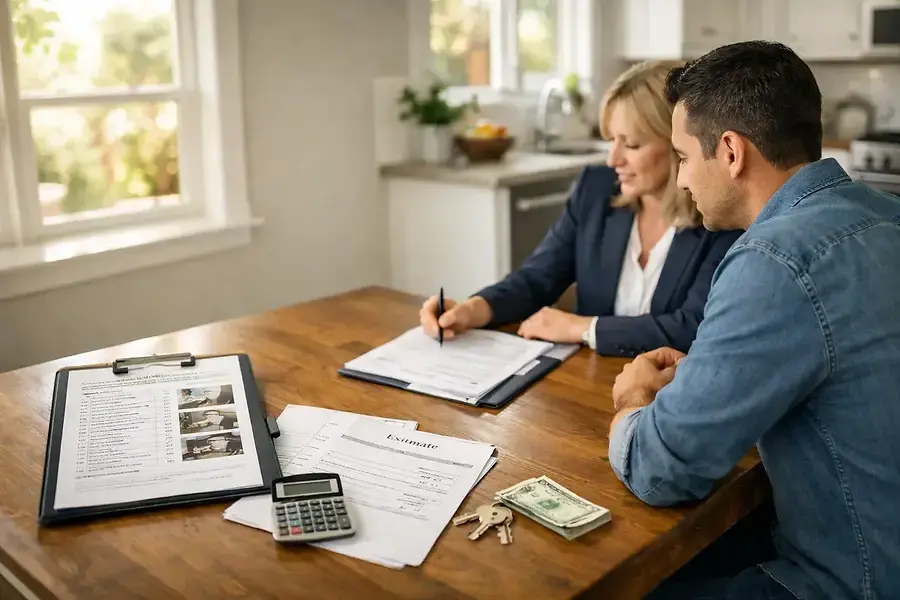
Why Repair Negotiations Matter in Whittier Sales
When purchasing a home in Whittier, the inspection period represents one of the most critical phases of your real estate transaction. This is where savvy buyers can protect their investment and potentially save thousands of dollars. The negotiation process following a home inspection isn't just about fixing problems—it's about understanding your leverage, knowing what issues truly matter, and presenting your case strategically to the seller.
In Whittier's competitive real estate market, many buyers feel pressured to accept properties as-is or overlook significant issues. However, armed with the right knowledge and negotiation tactics, you can address inspection findings effectively and secure favorable terms that protect your financial interests.
Common Inspection Issues Found in Whittier Properties
Structural and Foundation Concerns
Whittier properties, many of which were built in the mid-20th century, frequently present foundation and structural issues. Common problems include:
- Settling and cracks in concrete foundations
- Water intrusion and moisture damage in basements
- Outdated framing that may not meet current building codes
- Roof deterioration and missing shingles
These issues require professional assessment and can significantly impact your negotiating position.
Electrical and Plumbing Systems
Older Whittier homes often struggle with aging electrical and plumbing infrastructure. Inspectors commonly discover:
- Outdated wiring that poses fire hazards
- Insufficient electrical capacity for modern appliances
- Corroded pipes and water pressure issues
- Outdated fixtures requiring replacement
These systems are critical to address, as they directly impact home safety and functionality.
HVAC and Environmental Concerns
Climate control systems in Whittier homes frequently need attention. Common findings include:
- Aging air conditioning units nearing end of life
- Inefficient heating systems requiring replacement
- Poor insulation leading to energy waste
- Potential asbestos or lead paint in older properties
Effective Negotiation Strategies for Repair Credits and Seller Concessions
Prioritize Your Issues Strategically
Not all inspection findings carry equal weight. Focus your negotiation efforts on major systems and safety concerns rather than cosmetic issues. Sellers are more likely to concede on critical repairs like roof replacement or electrical upgrades than on paint touch-ups or landscaping.
Create a tiered list of issues:
- Tier 1 (Critical): Safety hazards and major system failures
- Tier 2 (Important): Significant repairs needed within 2-3 years
- Tier 3 (Minor): Cosmetic issues and routine maintenance
Obtain Multiple Repair Estimates
Before entering negotiations, gather detailed repair estimates from licensed contractors. Sellers will be more receptive to your requests when you present concrete numbers backed by professional assessments. Obtain at least two estimates for major repairs to establish credibility and demonstrate you've done your homework.
Include these estimates in your repair request letter to show you're being reasonable and realistic about costs.
Request Repair Credits Instead of Repairs
In many cases, requesting a credit toward closing costs is more effective than asking the seller to complete repairs. This approach offers several advantages:
- Sellers avoid liability for contractor work quality
- You maintain control over contractor selection and timeline
- Credits can be applied flexibly to closing costs or down payment
- You may find contractors willing to negotiate better pricing
Propose specific dollar amounts based on your contractor estimates, and be prepared to justify each figure.
Use Professional Inspection Reports as Leverage
Your home inspector's report is your most powerful negotiation tool. Highlight specific findings and recommendations from the professional inspection. Sellers are more likely to take issues seriously when they're documented by a licensed inspector rather than presented as your personal concerns.
Share relevant sections of the inspection report that support your repair requests, and reference the inspector's professional recommendations.
Consider the Seller's Perspective
Successful negotiations require understanding the seller's position. Consider:
- How long has the property been on the market?
- Are there multiple offers competing for the property?
- What is the seller's motivation for selling?
- Has the seller already invested in recent repairs?
In a buyer's market, sellers are more motivated to negotiate. In competitive markets, you may need to be more flexible or accept fewer concessions.
Present Your Request Professionally
Format your repair request as a formal letter through your real estate agent. Maintain a professional, non-confrontational tone throughout negotiations. Avoid language that suggests the seller was negligent or deceptive. Instead, frame requests as necessary adjustments based on professional inspection findings.
"Based on the professional home inspection, we respectfully request a credit of $X to address the following items identified in the inspection report..."
Know When to Walk Away
Sometimes, the best negotiation strategy is recognizing when a deal doesn't work in your favor. If the seller refuses to address critical safety issues or offer reasonable credits, be prepared to walk away. There will be other properties in Whittier, and protecting yourself from a problematic purchase is more important than any single transaction.
Protecting Your Investment Through Smart Negotiations
Negotiating repairs and credits in Whittier real estate transactions requires preparation, professionalism, and strategic thinking. By prioritizing critical issues, obtaining professional estimates, and presenting your requests clearly, you position yourself for successful negotiations that protect your investment.
Remember that home inspections exist to protect you as a buyer. Use this information wisely, negotiate fairly but firmly, and don't settle for less than your property deserves. The time and effort invested in smart negotiations during the inspection period can result in thousands of dollars in savings and a home that's safer and more reliable for years to come.
Work closely with your real estate agent and consider consulting with a real estate attorney for complex negotiations. With the right approach, you'll navigate Whittier's real estate market with confidence and secure a property that truly meets your needs and budget.


