Neighborhood Walkability & Quality of Life in Arlington Heights, Mount Prospect & Des Plaines
Discover why these Northwest suburbs rank highest for pedestrian-friendly living and family-oriented communities.

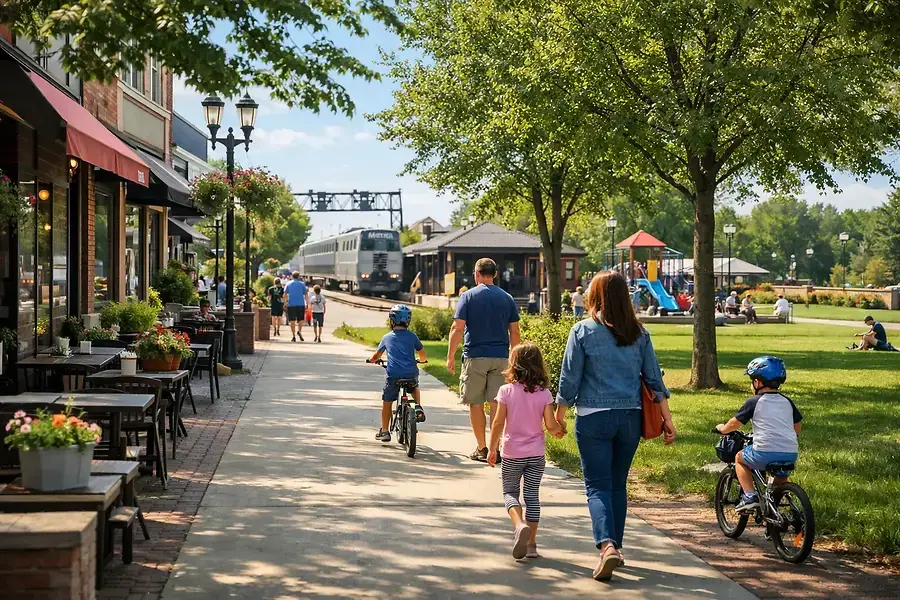
Introduction: The Walkability Advantage in Northwest Suburban Living
When families consider relocating to the suburbs, they often face a common dilemma: sacrificing urban convenience for spacious homes and good schools. However, Arlington Heights, Mount Prospect, and Des Plaines challenge this assumption by offering the best of both worlds. These Northwest Chicago suburbs have earned recognition as some of the most walkable communities in the region, combining suburban charm with urban accessibility.
Walkability isn't just about being able to stroll to the nearest coffee shop—it's about quality of life. Communities designed with pedestrians in mind foster stronger social connections, encourage healthier lifestyles, and reduce dependence on automobiles. These three suburbs have invested thoughtfully in their infrastructure and community planning, creating neighborhoods where residents can accomplish daily tasks on foot while enjoying excellent schools, parks, and entertainment options.
Evaluating Neighborhood Amenities: Schools, Parks, and Shopping Districts
Educational Excellence and Family-Friendly Schools
One of the primary reasons families choose these communities is their outstanding school systems. Arlington Heights School District 25, Mount Prospect School District 57, and Des Plaines School District 62 consistently rank among Illinois's top-performing districts. What makes these schools particularly appealing is their integration into walkable neighborhoods—many families can walk their children to school safely, eliminating the need for daily car trips.
Beyond traditional academics, these districts offer:
- Comprehensive STEM and arts programs
- Extracurricular activities within walking distance
- Well-maintained athletic facilities and sports programs
- Strong community engagement and parent involvement
Parks and Recreation: Green Spaces for Active Living
Each community boasts extensive park systems that encourage outdoor recreation and community gathering. Arlington Heights features over 40 parks, including the beautiful Busse Lake area, offering trails, fishing, and picnic facilities. Mount Prospect's parks system includes the scenic Busse Woods Forest Preserve, perfect for hiking and nature observation. Des Plaines residents enjoy access to the Des Plaines River Trail, a 40-mile pathway ideal for biking and walking.
These green spaces aren't merely recreational amenities—they're essential components of walkable neighborhoods that increase property values and promote community wellness. Families can access playgrounds, sports courts, and fitness facilities without requiring a car.
Shopping and Dining Districts
The shopping experience in these suburbs reflects their walkability commitment. Arlington Heights features the charming downtown area with local boutiques, restaurants, and services clustered within walking distance. Mount Prospect's downtown corridor offers similar pedestrian-friendly shopping with a mix of national retailers and local businesses. Des Plaines provides convenient shopping options with the Des Plaines River Plaza and numerous neighborhood shopping centers.
What distinguishes these communities is the intentional design of mixed-use neighborhoods where residential areas blend seamlessly with commercial districts, reducing the need for lengthy car trips.
Transportation and Commute Options: Getting Around Your Community
Public Transportation Access
For residents commuting to downtown Chicago or other employment centers, these suburbs offer excellent public transit options. Metra commuter rail service connects all three communities to downtown Chicago, with multiple daily departures. Arlington Heights and Des Plaines also benefit from Pace bus service, providing local and regional connectivity.
This multi-modal transportation approach means families can choose between:
- Walking for local errands and activities
- Biking on dedicated trails and bike lanes
- Using public transit for longer commutes
- Driving when necessary for specific needs
Pedestrian Infrastructure and Safety
True walkability requires more than just destinations—it demands safe, well-maintained pedestrian infrastructure. These communities have invested significantly in sidewalks, crosswalks, and traffic-calming measures. Wide, tree-lined sidewalks create pleasant walking environments, while strategic traffic signals and pedestrian crossings ensure safety for families with children.
Arlington Heights, Mount Prospect, and Des Plaines have implemented comprehensive Complete Streets initiatives, prioritizing pedestrian and cyclist safety alongside vehicle traffic. This forward-thinking approach has resulted in measurably reduced pedestrian accidents and increased foot traffic in commercial districts.
Biking and Trail Systems
For those seeking alternatives to walking, these communities offer extensive biking infrastructure. Dedicated bike lanes connect residential neighborhoods to schools, parks, and shopping areas. The Des Plaines River Trail system provides scenic biking routes, while Arlington Heights and Mount Prospect maintain interconnected trail networks that encourage cycling as a primary transportation method.
Many families report that biking allows them to accomplish errands and activities without relying on automobiles, significantly reducing household transportation costs.
Conclusion: Making Your Move to a Walkable, Connected Neighborhood
Arlington Heights, Mount Prospect, and Des Plaines represent a new model of suburban living—one that doesn't require choosing between community, convenience, and quality of life. These neighborhoods prove that suburbs can be walkable, connected, and vibrant.
When evaluating these communities, consider:
- Your family's lifestyle and transportation preferences
- Proximity to schools and parks that matter to your family
- Access to public transit for your commute
- The character and amenities of specific neighborhoods
- Long-term property value and community investment
The best neighborhood is one where you can walk to meet your daily needs while enjoying strong schools, beautiful parks, and a genuine sense of community.
Whether you're a young family seeking excellent schools, professionals needing convenient commute options, or anyone valuing walkable neighborhoods, these Northwest suburbs deserve serious consideration. By choosing a community designed with pedestrians in mind, you're investing not just in a home, but in a lifestyle that prioritizes health, connection, and convenience.


