Neighborhood Walkability Guide for Greater Louisville Homebuyers
Discover which Louisville-area communities offer the best pedestrian-friendly living with convenient access to shopping, dining, and schools.

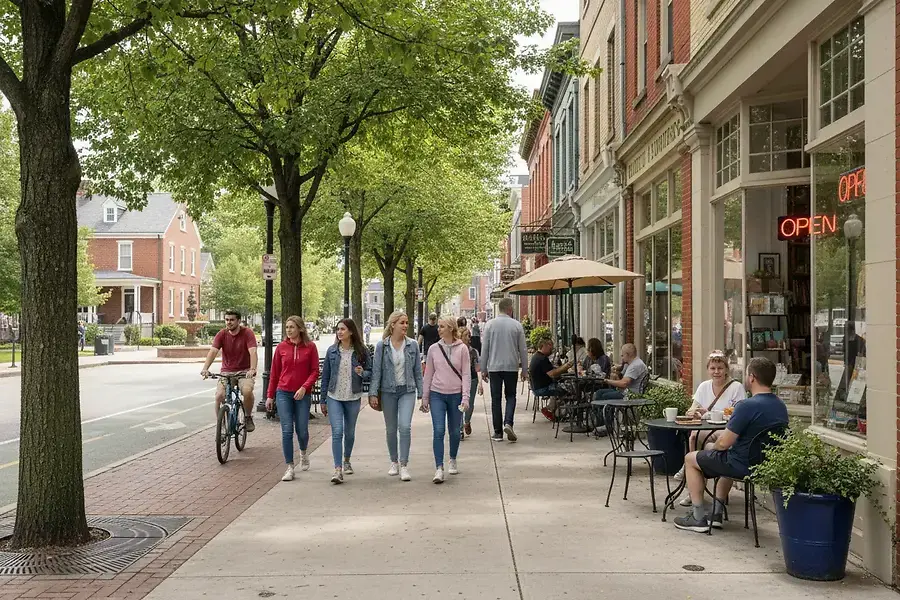
Why Neighborhood Walkability Matters for Your Home Search
When searching for your next home in the Greater Louisville area, walkability should be a key consideration in your decision-making process. A walkable neighborhood offers more than just the convenience of running errands on foot—it provides a lifestyle that promotes health, community connection, and reduced transportation costs.
Walkable communities allow residents to access essential services like grocery stores, restaurants, coffee shops, and schools without relying solely on a car. This accessibility translates to lower fuel expenses, reduced environmental impact, and increased opportunities for physical activity. Beyond the practical benefits, neighborhoods with high walkability scores tend to foster stronger community bonds, as residents naturally interact more frequently with neighbors and local business owners.
For families with children, walkable neighborhoods offer the added advantage of safe pedestrian routes to schools, parks, and recreational facilities. Young professionals and retirees alike appreciate the vibrant street life and cultural amenities that typically accompany pedestrian-friendly areas.
Walkability Rankings Across Louisville, Jeffersontown, Middletown, Anchorage, and St. Matthews
Louisville's Urban Core
Louisville's downtown and surrounding neighborhoods like the Highlands, Butchertown, and Nulu (East Market District) rank among the most walkable areas in the region. These neighborhoods feature dense street grids, mixed-use developments, and abundant local businesses. The Highlands, in particular, offers excellent walkability with numerous restaurants, boutiques, galleries, and entertainment venues concentrated along Bardstown Road and surrounding streets.
Key advantages:
- Proximity to downtown employment centers
- Vibrant nightlife and cultural attractions
- Diverse dining and shopping options
- Access to public transportation
Jeffersontown
Jeffersontown offers a more suburban feel while maintaining reasonable walkability in its town center. The area around Watterson Trail and Taylorsville Road provides access to shopping, dining, and services, though residents may need to drive for some activities. The community is working to improve pedestrian infrastructure and mixed-use development.
Key advantages:
- More affordable housing options
- Growing retail and dining scene
- Proximity to schools and parks
- Quieter, family-oriented atmosphere
Middletown
Middletown represents a middle ground between urban and suburban living. The area around Middletown Avenue and Frankfort Avenue has improved walkability with local shops, restaurants, and services. However, many residents still rely on cars for regular errands. The neighborhood is experiencing revitalization efforts that are gradually enhancing pedestrian accessibility.
Key advantages:
- Convenient location between downtown and suburbs
- Emerging restaurant and retail scene
- Good school options
- Reasonable home prices
Anchorage
Anchorage is primarily a car-dependent suburban community with limited walkability. While it offers excellent schools and spacious homes, pedestrian infrastructure is minimal, and most errands require a vehicle. The community is more focused on residential living than mixed-use development.
Key advantages:
- Top-rated schools
- Larger lot sizes and homes
- Quiet, safe neighborhoods
- Strong sense of community
St. Matthews
St. Matthews offers moderate walkability, particularly around the St. Matthews shopping center and along Shelbyville Road. The area has seen improvements in pedestrian infrastructure and mixed-use development, making it easier to walk to some destinations. However, car dependency remains moderate to high for many residents.
Key advantages:
- Established retail and dining options
- Good schools and parks
- Central location in the metro area
- Mix of residential and commercial spaces
How to Evaluate Walkability Before Making Your Home Purchase Decision
Use Walkability Scoring Tools
Before committing to a home purchase, utilize online walkability scoring platforms that rate neighborhoods on a scale typically ranging from 0 to 100. These tools analyze factors such as proximity to amenities, street connectivity, and population density. Look for scores above 70 for highly walkable neighborhoods, 50-69 for somewhat walkable areas, and below 50 for car-dependent communities.
Visit the Neighborhood at Different Times
Take time to explore potential neighborhoods on foot during various times of day and week. Walk the streets where you'd be living, noting the condition of sidewalks, presence of street lighting, and frequency of pedestrian traffic. Visit on a weekday morning, afternoon, and evening, as well as on weekends, to get a complete picture of neighborhood activity and safety.
Check Proximity to Essential Services
Identify the distance to grocery stores, pharmacies, schools, parks, and restaurants. A truly walkable neighborhood should have these amenities within a 10-15 minute walk (approximately half a mile to three-quarters of a mile). Use mapping tools to measure actual walking distances rather than relying on straight-line distances.
Assess Pedestrian Infrastructure
Examine the quality and continuity of sidewalks, crosswalks, and traffic signals. Well-maintained pedestrian infrastructure is essential for safe and comfortable walking. Look for neighborhoods with complete sidewalk networks, clearly marked crossings, and traffic calming measures like reduced speed limits in residential areas.
Talk to Current Residents
Engage with people who already live in the neighborhood. Ask about their walking experiences, safety concerns, and whether they find the area as walkable as they expected. Real resident perspectives often reveal details that online tools might miss.
Research Future Development Plans
Check with local city planning departments for information about upcoming development projects. Planned improvements to pedestrian infrastructure, new retail developments, or transit expansions could significantly impact a neighborhood's walkability in the coming years.
Finding the Perfect Walkable Community for Your Lifestyle
The ideal walkable neighborhood depends on your personal priorities and lifestyle. If you value urban energy, cultural amenities, and minimal car dependency, Louisville's urban core neighborhoods like the Highlands offer excellent walkability. For families seeking a balance between walkability and suburban living, Middletown and St. Matthews provide reasonable options with good schools and improving pedestrian infrastructure.
If your top priority is excellent schools and you're willing to drive for most errands, Anchorage remains an attractive option despite lower walkability scores. Jeffersontown appeals to those seeking affordability with moderate walkability improvements.
Remember that walkability is just one factor in your home-buying decision. Consider your commute to work, school quality, home prices, and personal preferences alongside walkability scores. The best neighborhood is one that aligns with your lifestyle needs and long-term goals.
By thoroughly evaluating walkability using the tools and strategies outlined above, you'll make a more informed decision about where to invest in your next home. Take time to explore these Greater Louisville communities, and you'll discover the perfect neighborhood that offers the walkable, connected lifestyle you're seeking.