Neighborhood Walkability in Montgomeryville: What Buyers Really Want
Discover how walkable communities are reshaping residential real estate preferences and property values in Montgomeryville.

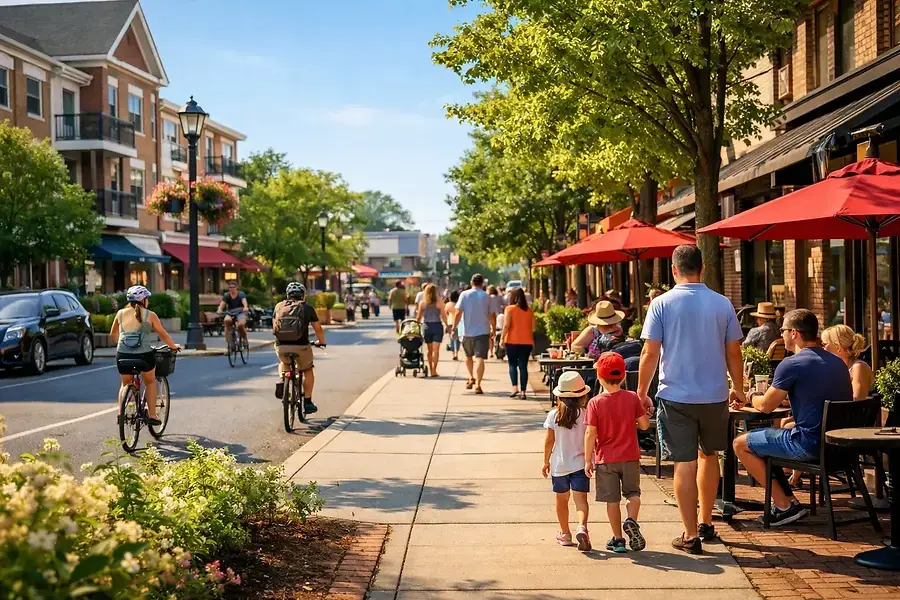
Understanding Walkability and Its Impact on Home Values
Walkability has emerged as one of the most significant factors influencing residential real estate decisions in recent years. A walkable neighborhood is one where residents can accomplish most errands on foot, access public transportation easily, and enjoy a vibrant community atmosphere. This shift in buyer preferences is fundamentally reshaping how properties are valued and marketed across the country, and Montgomeryville is no exception.
Research consistently shows that homes in highly walkable areas command premium prices compared to car-dependent neighborhoods. Properties in walkable communities typically appreciate faster and maintain their value better during market fluctuations. This trend reflects a broader cultural shift toward sustainable living, health-conscious lifestyles, and reduced transportation costs. Buyers are increasingly willing to pay more for the convenience and quality of life that walkability provides.
The Financial Benefits of Walkable Living
Beyond the initial purchase price, walkable neighborhoods offer substantial long-term financial advantages. Residents save significantly on transportation costs, including gas, vehicle maintenance, and insurance. Families living in walkable areas often reduce their household transportation expenses by 20-30%. These savings can be redirected toward mortgage payments, home improvements, or other investments, making walkable properties an economically sound choice.
Additionally, walkable communities tend to attract younger professionals, families, and retirees—demographics that support strong rental markets and consistent property appreciation. This demographic diversity creates stable, thriving neighborhoods that weather economic changes more effectively.
Montgomeryville's Most Walkable Neighborhoods and Their Amenities
Montgomeryville has several neighborhoods that stand out for their exceptional walkability and community appeal. These areas combine residential charm with convenient access to shopping, dining, entertainment, and services.
Downtown Montgomeryville District
The heart of Montgomeryville offers the highest walkability scores in the area. This neighborhood features:
- Mixed-use developments with residential units above retail spaces
- Pedestrian-friendly streetscapes with wide sidewalks and street trees
- Proximity to local restaurants, cafes, and boutique shops
- Public parks and gathering spaces for community events
- Easy access to public transportation hubs
Residents here enjoy the convenience of walking to work, dining, and entertainment venues. The vibrant street life and active community atmosphere make this neighborhood particularly attractive to young professionals and empty nesters.
The Station Quarter
Built around the transit station, this neighborhood prioritizes pedestrian access and connectivity. Key features include:
- Direct access to commuter rail and bus services
- Walkable distance to grocery stores and pharmacies
- Fitness centers, yoga studios, and wellness facilities
- Family-friendly parks and playgrounds
- Diverse housing options from apartments to townhomes
The Station Quarter appeals particularly to commuters and families seeking reduced car dependency. The combination of transit access and local amenities creates an ideal environment for those prioritizing convenience and sustainability.
Heritage Village
This established neighborhood balances residential tranquility with walkable access to essential services. Residents appreciate the tree-lined streets, well-maintained sidewalks, and proximity to schools, libraries, and community centers. The neighborhood's mature landscape and strong sense of community make it popular with families and long-term residents.
Evaluating Walkability Before Making Your Purchase
Before committing to a property in Montgomeryville, it's essential to thoroughly assess the neighborhood's walkability. Here are key factors to evaluate:
Walk Score and Pedestrian Infrastructure
Use online walkability tools to check the property's Walk Score, which rates areas on a scale of 0-100 based on proximity to amenities. Scores above 70 indicate very walkable neighborhoods. Additionally, visit the neighborhood during different times of day to observe sidewalk conditions, street lighting, and pedestrian traffic patterns.
Proximity to Essential Services
Identify the walking distance to grocery stores, pharmacies, schools, and healthcare facilities. Ideally, these essential services should be within a 10-15 minute walk. Check if there are safe, direct routes without major obstacles or dangerous intersections.
Public Transportation Access
Evaluate the frequency and reliability of bus and transit services. Quality public transportation should offer multiple daily departures to major employment centers and destinations. Review schedules and routes to ensure they align with your commuting needs.
Community Amenities and Social Spaces
Look for parks, plazas, cafes, and gathering spaces where residents interact. Vibrant neighborhoods with active street life typically indicate strong community engagement and property value stability. Visit during evenings and weekends to gauge the neighborhood's vitality.
Why Walkability Matters for Your Long-Term Investment
Choosing a walkable neighborhood in Montgomeryville is more than a lifestyle decision—it's a strategic investment. Properties in walkable areas demonstrate superior long-term appreciation and resilience. As environmental concerns and health consciousness continue to influence buyer preferences, demand for walkable communities will only increase.
Health and Wellness Benefits
Walkable neighborhoods naturally encourage physical activity. Residents who walk regularly for transportation and errands achieve higher daily step counts and better overall health outcomes. This wellness advantage appeals to health-conscious buyers and supports property values in these communities.
Environmental Sustainability
Reduced car dependency directly contributes to lower carbon footprints. Buyers increasingly prioritize environmental responsibility, making walkable neighborhoods aligned with their values. This alignment strengthens community identity and attracts environmentally conscious residents who tend to be stable, long-term property owners.
Future-Proofing Your Investment
As urban planning trends continue emphasizing walkability and sustainable development, neighborhoods with strong pedestrian infrastructure will remain desirable.
Walkable communities represent the future of residential real estate, offering buyers both immediate lifestyle benefits and long-term investment security.By choosing a walkable neighborhood in Montgomeryville, you're positioning yourself ahead of market trends and ensuring your property remains attractive to future buyers.
The bottom line: Walkability is no longer a luxury amenity—it's a fundamental factor shaping residential real estate value and desirability. Montgomeryville's walkable neighborhoods offer the perfect combination of convenience, community, and investment potential for discerning homebuyers.


