Neighborhood Walkability in South Jersey: Which Communities Offer Car-Free Living
Discover how Cherry Hill, Camden, Burlington, Moorestown, and Voorhees compare on pedestrian-friendly features and transit access.

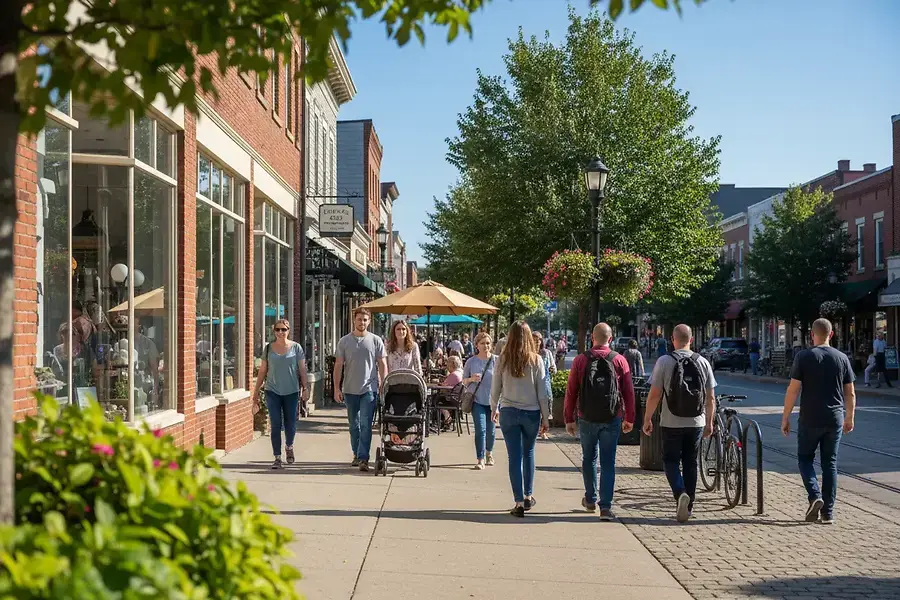
Introduction: The Growing Demand for Walkable Communities
More residents across South Jersey are seeking neighborhoods where they can walk to shops, restaurants, and services without relying on a car. This shift reflects a broader national trend toward sustainable living and community-oriented lifestyles. Whether you're downsizing, raising a family, or simply tired of commuting, walkable neighborhoods offer convenience, health benefits, and a stronger sense of community.
South Jersey's diverse municipalities present varying degrees of walkability, from urban centers with robust public transit to suburban areas with pedestrian-friendly infrastructure. Understanding which communities best support car-free living can help you make an informed decision about your next move.
Walkability Scores and Transit Options Across South Jersey's Top Towns
Camden: Urban Vitality and Transit Connectivity
Camden stands out as South Jersey's most walkable urban center, with a Walk Score reflecting strong pedestrian infrastructure. The city benefits from PATCO (Port Authority Transit Corporation) light rail service, connecting residents directly to Philadelphia and surrounding areas. Downtown Camden's revitalization efforts have created walkable corridors with shops, restaurants, and cultural attractions.
- Walk Score: High for downtown areas
- Transit: PATCO light rail, NJ Transit buses
- Pedestrian Features: Sidewalks, crosswalks, mixed-use development
Cherry Hill: Suburban Walkability with Convenience
Cherry Hill offers a balanced approach to walkability, combining suburban charm with pedestrian-friendly design. The township has invested in sidewalk networks and mixed-use developments that encourage walking. While less transit-dependent than Camden, Cherry Hill residents enjoy access to shopping districts and parks within walking distance.
- Walk Score: Moderate to high in central areas
- Transit: NJ Transit bus routes
- Pedestrian Features: Extensive sidewalk network, town centers, parks
Burlington: Historic Charm and Walkable Downtown
Burlington's historic downtown district is highly walkable, featuring tree-lined streets, local businesses, and waterfront access along the Delaware River. The town's compact layout makes it easy to navigate on foot. However, walkability varies by neighborhood, with some residential areas requiring a car for certain errands.
- Walk Score: High in downtown, moderate in residential areas
- Transit: NJ Transit bus service
- Pedestrian Features: Historic streetscapes, riverfront paths, local shops
Moorestown: Planned Community with Pedestrian Infrastructure
Moorestown is a planned suburban community with thoughtful pedestrian infrastructure. The township features well-maintained sidewalks, tree-lined streets, and a town center designed for walkability. While primarily car-dependent, Moorestown's design encourages walking for daily activities within the community.
- Walk Score: Moderate, with strong town center walkability
- Transit: Limited NJ Transit service
- Pedestrian Features: Sidewalks, town center, parks, bike paths
Voorhees: Suburban Design with Growing Walkability
Voorhees is a suburban township that has increasingly focused on walkability improvements. The community features parks, recreational trails, and developing town centers that support pedestrian activity. While transit options are limited, the township's commitment to pedestrian infrastructure makes it more walkable than many suburban alternatives.
- Walk Score: Moderate in developing areas
- Transit: Limited bus service
- Pedestrian Features: Parks, trails, developing commercial centers
Lifestyle Benefits and Property Values in Pedestrian-Friendly Neighborhoods
Health and Wellness Advantages
Living in walkable communities encourages physical activity and reduces sedentary behavior. Residents who walk regularly enjoy improved cardiovascular health, better mental wellness, and lower stress levels. The ability to accomplish daily tasks on foot creates natural opportunities for exercise without requiring a gym membership.
Economic Benefits and Cost Savings
Car-free or car-light living significantly reduces transportation expenses. Residents save on vehicle payments, insurance, maintenance, and fuel costs. These savings can be substantial, often exceeding $5,000 annually. Additionally, walkable neighborhoods typically feature local businesses that support the community economy and create jobs.
Property Value Appreciation
Walkable neighborhoods consistently command premium property values compared to car-dependent areas. Research shows that homes in pedestrian-friendly communities appreciate faster and maintain value better during market fluctuations. This trend reflects growing demand from buyers seeking lifestyle benefits and long-term investment potential.
In South Jersey, properties in walkable areas like downtown Burlington and central Cherry Hill have shown stronger appreciation rates than suburban alternatives. This pattern is expected to continue as more residents prioritize walkability.
Community Engagement and Social Connection
Walkable neighborhoods foster stronger community bonds. Residents encounter neighbors regularly, participate in local events, and develop meaningful relationships. This social infrastructure creates safer neighborhoods, as more eyes on the street deter crime and encourage mutual support among residents.
Conclusion: Finding Your Ideal Balance of Convenience and Community
South Jersey offers diverse options for those seeking walkable neighborhoods. Camden provides the most comprehensive transit access and urban walkability, ideal for those embracing car-free living. Cherry Hill and Burlington balance suburban comfort with pedestrian-friendly design, appealing to families and professionals. Moorestown and Voorhees offer planned communities with improving walkability for those preferring suburban settings.
When evaluating neighborhoods, consider your lifestyle priorities: Do you need robust public transit or prefer walking within your community? Are you drawn to urban energy or suburban tranquility? How important are property values and long-term investment potential?
The best walkable neighborhood is one that aligns with your personal needs and values. Visit these communities, walk their streets, and experience the lifestyle firsthand. You may discover that the perfect car-free or car-light living situation is closer than you think, right here in South Jersey.


