Neighborhood Walkability Rankings: Which Sacramento Area Communities Suit Your Lifestyle
Discover how walkability scores in Citrus Heights, Roseville, Fair Oaks, Orangevale, Carmichael, Rocklin, Granite Bay, and Loomis can help you find your ideal neighborhood.

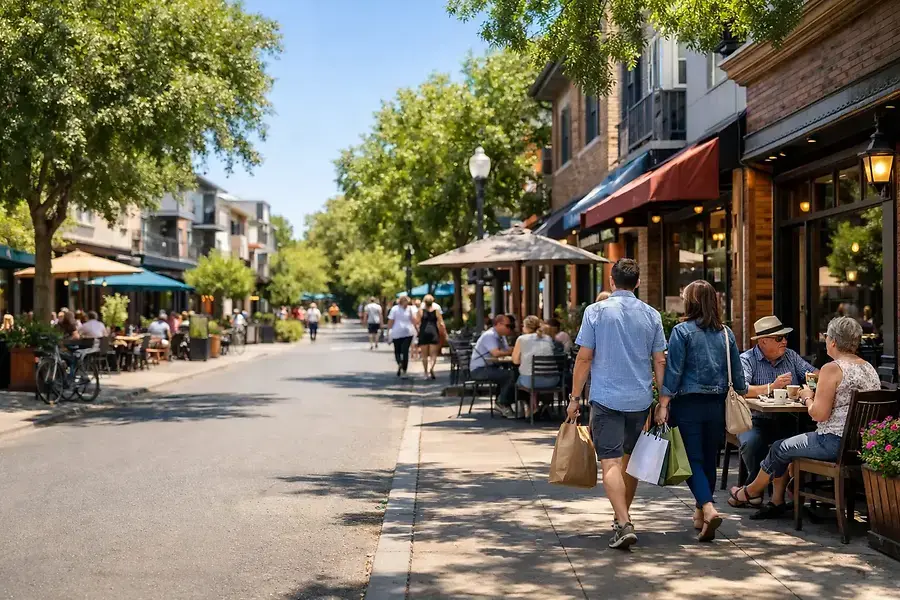
Understanding Walkability and Its Impact on Home Value
Walkability has become one of the most important factors for homebuyers and renters when choosing where to live. A neighborhood's walkability score measures how easily residents can access essential services, amenities, and transportation options on foot. This metric has evolved from a nice-to-have feature into a significant determinant of property values, quality of life, and long-term investment potential.
In the Sacramento area, walkability varies dramatically from community to community. Some neighborhoods offer vibrant downtown cores with shops, restaurants, and services within a short walk, while others are more car-dependent, requiring residents to drive for most daily activities. Understanding these differences can help you make an informed decision about where to invest in real estate and how your chosen neighborhood will shape your daily lifestyle.
The relationship between walkability and home value is undeniable. Communities with higher walkability scores typically command premium prices and experience stronger appreciation over time. Additionally, walkable neighborhoods attract younger professionals, families seeking convenience, and retirees who want to age in place without relying heavily on automobiles.
Walkability Profiles of Eight Key Sacramento Area Communities
Roseville: The Walkability Leader
Roseville stands out as the most walkable community in the greater Sacramento area. With its well-planned downtown district, extensive trail system, and mixed-use developments, Roseville offers residents excellent pedestrian infrastructure. The downtown area features shops, restaurants, and entertainment venues all within walking distance, making it ideal for those who prefer an active, car-light lifestyle.
Citrus Heights: Moderate Walkability with Growing Potential
Citrus Heights presents a mixed walkability profile. While some neighborhoods near the downtown corridor offer decent walkability, much of the community remains suburban and car-dependent. However, ongoing development projects and infrastructure improvements are gradually enhancing pedestrian accessibility throughout the city.
Carmichael: Suburban Character with Limited Walkability
Carmichael is primarily a residential community with limited commercial density. Most residents rely on personal vehicles for shopping, dining, and entertainment. The neighborhood's appeal lies in its quiet, family-friendly atmosphere rather than walkability, making it suitable for those who prioritize space and tranquility over convenience.
Fair Oaks: Rural Charm with Low Walkability
Fair Oaks maintains a distinctly rural character with large lots and minimal commercial development. Walkability is low, as most amenities require a short drive. This community attracts residents seeking a more secluded, nature-oriented lifestyle away from urban hustle and bustle.
Orangevale: Transitional Community
Orangevale sits between suburban and rural characteristics. While some areas near Highway 50 offer moderate walkability, much of the community remains car-dependent. The neighborhood is experiencing gradual development that may improve pedestrian accessibility in coming years.
Rocklin: Growing Urban Center
Rocklin has emerged as a rapidly growing community with improving walkability. The downtown area and newer mixed-use developments offer better pedestrian access than surrounding areas. As the city continues to expand, walkability infrastructure is being prioritized in planning efforts.
Granite Bay: Exclusive and Car-Dependent
Granite Bay is an upscale, exclusive community with very low walkability. Large estates, minimal commercial development, and a focus on privacy characterize this neighborhood. Residents here prioritize luxury and seclusion over walkable convenience.
Loomis: Small-Town Feel with Limited Walkability
Loomis maintains a small-town character with limited walkability. The community's charm lies in its rural setting and tight-knit atmosphere rather than pedestrian accessibility. Most residents embrace the car-dependent lifestyle as part of the community's identity.
How Walkability Influences Lifestyle, Commute, and Property Investment
Lifestyle Implications
Your neighborhood's walkability directly impacts your daily lifestyle. In highly walkable communities like Roseville, residents enjoy:
- Reduced transportation costs through decreased vehicle dependency
- Increased physical activity from walking to daily destinations
- Enhanced social connections through more street-level interactions
- Greater access to dining and entertainment options
- Improved mental health from active, engaged community living
Conversely, car-dependent communities like Fair Oaks and Granite Bay appeal to those who value privacy, space, and a quieter lifestyle, even if it requires more driving.
Commute Considerations
Walkability extends beyond neighborhood amenities to include access to public transportation and commuting options. Communities with higher walkability scores often have better transit connections, reducing commute times and transportation expenses. This is particularly valuable for professionals working in downtown Sacramento or other regional employment centers.
Property Investment Perspective
From an investment standpoint, walkability trends matter significantly. Properties in walkable neighborhoods typically appreciate faster and maintain stronger resale values. Additionally, walkable communities attract a broader demographic of potential buyers and renters, providing better long-term investment security. However, this comes with higher purchase prices, so investors must weigh immediate costs against long-term appreciation potential.
Communities experiencing walkability improvements, like Rocklin and Citrus Heights, may offer excellent investment opportunities as infrastructure enhancements drive future appreciation.
Using Walkability Data to Make Your Next Real Estate Decision
Choosing the right Sacramento area neighborhood requires honest assessment of your priorities. Ask yourself these key questions:
- How important is walking to daily destinations in my lifestyle?
- Do I prefer urban convenience or suburban/rural space?
- What is my commute situation, and how does walkability affect it?
- Am I investing for personal use or long-term appreciation?
- What amenities matter most to me and my family?
If walkability is your priority, Roseville offers the best current options, with Rocklin and Citrus Heights showing promising growth trajectories. If you value space, privacy, and a quieter lifestyle, Fair Oaks, Granite Bay, and Loomis provide excellent alternatives, despite lower walkability scores.
The ideal neighborhood isn't necessarily the most walkable one—it's the one that aligns with your personal values, lifestyle preferences, and long-term goals.
By understanding walkability profiles across Sacramento area communities, you can make a more informed decision about where to invest your resources and build your future. Whether you're seeking an active, pedestrian-friendly lifestyle or prefer a quieter, more spacious setting, the greater Sacramento area offers options to match virtually any preference.


