Neighborhood Walkability Trends Shaping North Texas Home Values
Discover how proximity to amenities and pedestrian-friendly communities are becoming key factors in residential property appreciation across Denton, Dallas, Fort Worth, and surrounding areas.

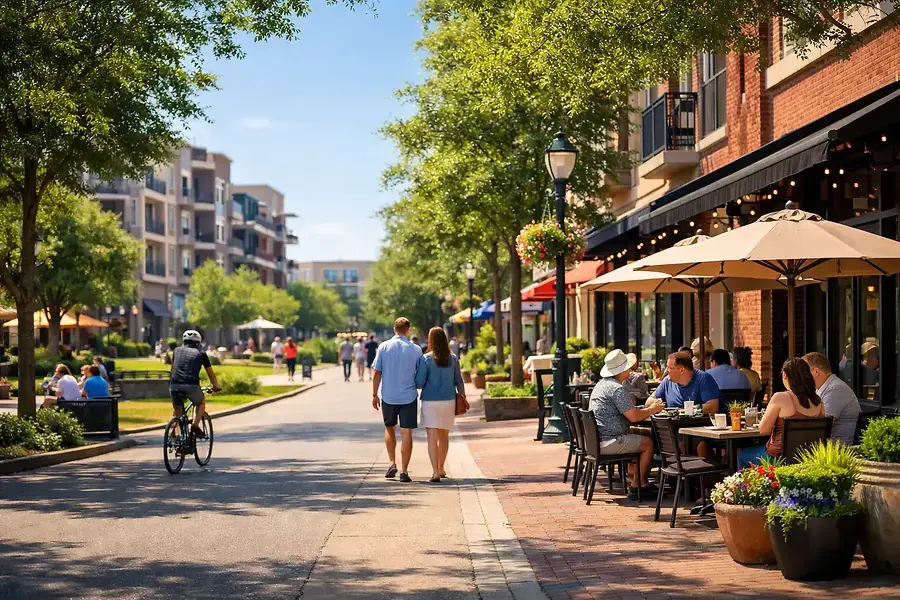
The Growing Importance of Walkable Communities in North Texas Real Estate
The North Texas real estate market is experiencing a significant shift in what homebuyers prioritize when selecting their next property. Gone are the days when square footage and lot size alone determined a home's value. Today, walkability and proximity to amenities have emerged as critical factors influencing residential property appreciation across the region.
This transformation reflects broader lifestyle changes among homeowners who increasingly value convenience, health, and community engagement. Neighborhoods designed with pedestrian accessibility in mind are commanding premium prices and experiencing faster appreciation rates than traditional car-dependent developments. From the vibrant urban corridors of Dallas to the emerging mixed-use communities in Denton and Fort Worth, walkability has become a defining characteristic of desirable neighborhoods.
Understanding these trends is essential for both buyers seeking to invest in appreciating properties and sellers looking to maximize their home's market appeal. The data clearly shows that location quality matters more than ever, and walkable communities represent the future of North Texas residential real estate.
How Neighborhood Features Impact Residential Property Values in Key Markets
The Walkability Premium
Properties located in walkable neighborhoods consistently command higher prices per square foot compared to their car-dependent counterparts. This premium reflects the tangible benefits residents enjoy, including:
- Reduced transportation costs – Residents can walk or bike to shops, restaurants, and services, decreasing reliance on vehicles
- Enhanced quality of life – Pedestrian-friendly streets encourage outdoor activity and social interaction
- Environmental benefits – Lower carbon footprints appeal to environmentally conscious buyers
- Health advantages – Walkable communities promote physical activity and reduce sedentary lifestyles
Amenity Proximity and Market Dynamics
The proximity to essential amenities significantly influences property values. Homes within walking distance of grocery stores, parks, restaurants, entertainment venues, and public transportation experience stronger demand and appreciation. Mixed-use developments that combine residential, retail, and office spaces have become particularly attractive, creating vibrant neighborhoods where residents can live, work, and play without extensive commutes.
In North Texas, developers are increasingly recognizing this trend and investing in amenity-rich communities. Properties in these areas tend to retain value better during market downturns and appreciate faster during growth periods, making them attractive long-term investments.
Community Design and Property Appeal
Beyond specific amenities, the overall design of a neighborhood impacts property values. Tree-lined streets, wide sidewalks, public gathering spaces, and traffic-calming measures create environments where people want to spend time. These design elements contribute to neighborhood character and desirability, directly translating to higher home values and faster sales.
Comparing Walkability and Amenity Access Across Denton, The Colony, Dallas, Fort Worth, Waco, and Rockwall
Denton
Denton has emerged as a leader in walkable community development. The downtown area features excellent pedestrian infrastructure with shops, restaurants, and entertainment venues within walking distance. The presence of two universities creates a vibrant, active community with strong demand for walkable neighborhoods. Properties near downtown Denton command premium prices due to their accessibility and community atmosphere.
The Colony
The Colony offers a unique blend of suburban comfort and walkability. The mixed-use developments along the lakefront provide residents with convenient access to dining, shopping, and recreational amenities. The planned community approach ensures cohesive neighborhood design that prioritizes pedestrian access, making it increasingly popular among homebuyers seeking suburban living with urban conveniences.
Dallas
Dallas neighborhoods like Uptown, Deep Ellum, and Bishop Arts District exemplify the walkability trend. These urban neighborhoods feature dense development, diverse amenities, and excellent pedestrian infrastructure. Properties in these areas command significant premiums, reflecting strong demand from buyers prioritizing walkable urban living. The city continues to invest in pedestrian infrastructure, further enhancing property values in walkable corridors.
Fort Worth
Fort Worth is experiencing rapid transformation in its walkable neighborhoods. Areas like Sundance Square and the Stockyards District combine historic character with modern amenities and pedestrian-friendly design. The city's investment in downtown revitalization and mixed-use development is driving appreciation in walkable neighborhoods and attracting a diverse demographic of homebuyers.
Waco
Waco's downtown revitalization efforts have significantly improved neighborhood walkability. The Brazos River corridor development and downtown restoration projects have created more pedestrian-friendly environments. As these improvements continue, properties in walkable areas are experiencing increased appreciation and attracting buyers seeking community-oriented living.
Rockwall
Rockwall combines small-town charm with planned community development. The downtown waterfront area offers walkable amenities and scenic beauty, while newer developments incorporate pedestrian-friendly design principles. The community's focus on quality of life and neighborhood design makes it increasingly attractive to buyers valuing walkability.
Positioning Your Home in a Walkable Community for Maximum Appeal and Value
Evaluating Your Neighborhood's Walkability
If you own a home in a walkable community, understanding your neighborhood's specific strengths is crucial for maximizing value. Consider factors such as:
- Distance to grocery stores, restaurants, and retail establishments
- Quality and extent of sidewalk infrastructure
- Access to parks and recreational facilities
- Public transportation options and frequency
- Overall neighborhood safety and maintenance
Enhancing Your Property's Appeal
Homeowners in walkable neighborhoods should emphasize these advantages when marketing their properties. Highlight proximity to amenities, walkability scores, and community features in listings and marketing materials. Professional photography showcasing nearby shops, parks, and pedestrian infrastructure can significantly impact buyer perception and property value.
The Future of North Texas Real Estate
As walkability continues to shape North Texas real estate, the trend shows no signs of slowing. Younger generations and empty-nesters increasingly prioritize walkable communities, driving sustained demand and appreciation.
Homeowners and investors who recognize the value of walkability and position themselves in these communities are positioning themselves for long-term appreciation and market resilience.
Whether you're buying, selling, or investing in North Texas real estate, understanding the critical role of walkability and amenity access is essential. The neighborhoods that successfully combine pedestrian-friendly design with convenient access to essential services and entertainment will continue to lead the market in appreciation and desirability. By recognizing these trends and making informed decisions, you can maximize your property's value and enjoy the lifestyle benefits that walkable communities provide.