New Construction vs. Existing Homes Across Greater Austin Communities
Discover which option offers the best value and lifestyle fit for your family in Leander, Cedar Park, Round Rock, Pflugerville, Georgetown, and Austin.

Understanding the Price Differences Between New and Resale Homes
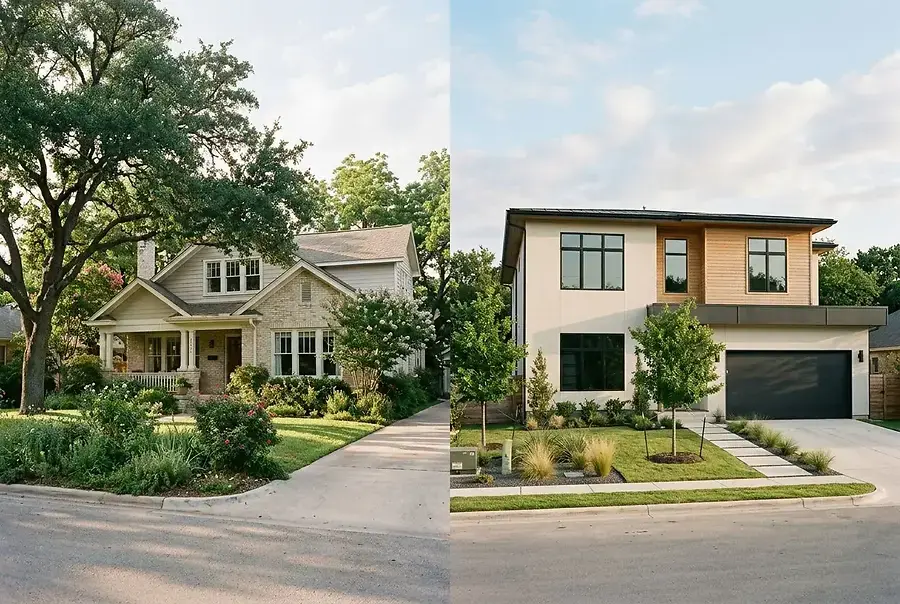
When shopping for a home in Greater Austin communities like Leander, Cedar Park, Round Rock, Pflugerville, Georgetown, and Austin proper, one of the first questions homebuyers face is whether to invest in new construction or an existing property. The price differences between these two options can be substantial and deserve careful consideration.
New construction homes typically command premium pricing due to modern building standards, energy-efficient systems, and the latest design trends. However, builders often offer incentives such as closing cost assistance, upgraded finishes, or financing perks to attract buyers. In rapidly growing communities like Leander and Pflugerville, new developments frequently offer competitive pricing to establish market presence.
Existing homes generally come with lower purchase prices, especially in established neighborhoods throughout Austin and Cedar Park. These properties have already depreciated from their initial construction cost, making them more accessible for budget-conscious buyers. Additionally, you may have more negotiating power with resale homes, as sellers are often motivated to close quickly.
Hidden Costs to Consider
While the sticker price matters, don't overlook hidden expenses. New homes may require minimal repairs initially, but resale homes might need immediate updates to roofing, HVAC systems, or plumbing. Property taxes in Round Rock and Georgetown can vary significantly based on home age and assessed value, so factor this into your long-term budget.
Evaluating Long-Term Maintenance and Warranty Benefits
The maintenance conversation is crucial when comparing new versus existing homes. New construction homes come with builder warranties that typically cover structural defects for 10 years and major systems for 2-5 years. This peace of mind is invaluable during your first years of homeownership.
Existing homes offer no manufacturer warranties, but their systems have proven track records. You know the roof has lasted 15 years, the foundation is solid, and the HVAC system works reliably. This predictability appeals to many homeowners who prefer avoiding surprise repairs.
Long-Term Maintenance Costs
- New Homes: Lower maintenance costs initially, but newer systems may require specialized technicians and expensive parts when repairs become necessary
- Existing Homes: Higher upfront maintenance risk, but established repair networks and readily available replacement parts often mean lower repair costs
- Energy Efficiency: New homes typically feature superior insulation and modern HVAC systems, potentially saving 20-30% on utility bills compared to older properties
In communities like Cedar Park and Round Rock, where summers are hot and energy costs add up quickly, the efficiency advantage of new construction can translate to meaningful savings over time.
Comparing Community Amenities and Future Development Potential
The neighborhood you choose is as important as the house itself. New construction developments often include planned amenities such as community pools, fitness centers, playgrounds, and walking trails. Builders in Leander and Pflugerville frequently design master-planned communities with these features as selling points.
Existing neighborhoods in Austin and Georgetown have established amenities and mature landscaping. You'll find established parks, schools with proven track records, and community organizations. The character and stability of these neighborhoods appeal to families seeking long-term roots.
Future Development Considerations
Consider what's coming to your area. New construction communities in Round Rock and Pflugerville are expanding rapidly, which means future neighbors, increased traffic, and evolving school capacities. Existing neighborhoods have already stabilized, offering predictability about your surroundings.
Investment potential differs between the two options. New construction in emerging areas like Leander may appreciate quickly as infrastructure develops. Established neighborhoods in central Austin often appreciate steadily based on location desirability and limited inventory.
Making Your Decision: Which Home Type Aligns With Your Goals
Choosing between new construction and existing homes requires honest reflection about your priorities and lifestyle.
Choose New Construction If:
- You want the latest technology and design features without compromise
- You prefer minimal maintenance during your first years of ownership
- You're attracted to planned communities with modern amenities
- You value energy efficiency and lower utility costs
- You're willing to pay a premium for peace of mind through builder warranties
- You're building equity in an emerging area with growth potential
Choose Existing Homes If:
- Budget is your primary concern and you want maximum square footage for your money
- You prefer established neighborhoods with proven community character
- You enjoy renovation projects and want to customize your space
- You value mature landscaping and established schools
- You want to negotiate price and terms more flexibly
- You prefer neighborhoods with stable, predictable futures
The Austin Area Advantage
Greater Austin communities each offer unique advantages. Georgetown attracts those seeking small-town charm with new development options. Cedar Park balances growth with established character. Round Rock offers robust new construction with strong schools. Pflugerville provides affordable new homes with modern amenities. Leander combines rural appeal with suburban growth. Austin proper delivers urban lifestyle with diverse housing options.
The best choice depends on your family's specific needs, financial situation, and vision for your future. Many successful homebuyers in these communities find that a hybrid approach works best—perhaps purchasing an existing home in an established neighborhood, then renovating it to include modern features and energy efficiency.
Take time to visit multiple communities, attend open houses in both new developments and existing neighborhoods, and consult with local real estate professionals who understand the nuances of each area. Your home is likely the largest investment you'll make, so choosing between new construction and existing homes deserves thoughtful consideration of all factors.