New Construction vs. Existing Homes: Which Fits Your Central Indiana Budget?
Discover which option offers better value, timeline, and long-term investment potential for your family.

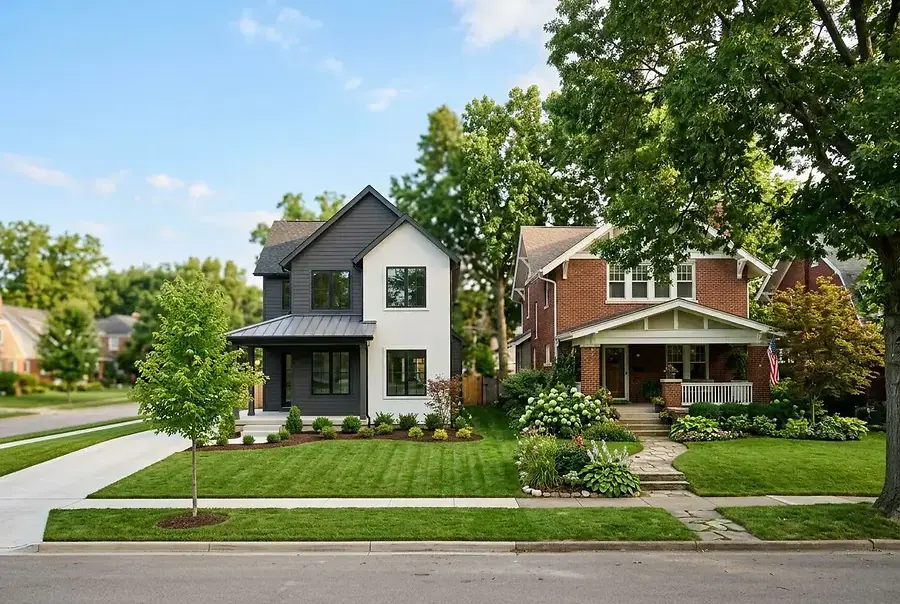
Introduction: The Central Indiana Housing Market Decision
Choosing between a new construction home and an existing property is one of the most significant decisions you'll make as a homebuyer in the Indianapolis metro area. Both options offer distinct advantages and challenges, and the right choice depends on your budget, timeline, lifestyle preferences, and long-term investment goals. This guide will help you navigate the Central Indiana housing market with confidence.
New Construction Homes: Benefits, Costs, and Timeline Expectations
The Appeal of Brand New
New construction homes offer several compelling advantages for buyers. You'll enjoy modern building codes and energy-efficient systems that can significantly reduce utility bills. Everything is under warranty, meaning fewer unexpected repairs in the first years of ownership. Additionally, new homes allow you to customize finishes, layouts, and features before construction begins—a luxury existing homes rarely provide.
Understanding New Construction Costs
While new construction can feel premium, the total cost depends on several factors:
- Base price: Typically ranges from $250,000 to $500,000+ in Central Indiana, depending on location and size
- Upgrades and customization: Can add $20,000 to $100,000 or more
- Closing costs: Usually 2-5% of the purchase price
- HOA fees: Many new developments charge monthly fees ($100-$300+)
Builders often offer incentives during slower market periods, including upgraded appliances, landscaping credits, or closing cost assistance—making the effective price more competitive than the sticker price suggests.
Timeline Expectations
New construction timelines vary significantly. Pre-construction purchases may take 6-12 months to complete, while move-in ready homes are available immediately. Delays can occur due to weather, supply chain issues, or labor availability, so build flexibility into your timeline.
Existing Homes: Character, Negotiation Power, and Hidden Costs
The Character and Established Neighborhoods
Existing homes in Central Indiana often feature unique architectural styles, mature landscaping, and established neighborhoods with proven community infrastructure. You can see exactly what you're getting—no surprises after construction. Many buyers appreciate the character and history that older homes provide, along with the ability to move in immediately.
Negotiation and Pricing Flexibility
Unlike new construction with fixed pricing, existing homes offer significant negotiation opportunities. You can:
- Make offers below asking price, especially in slower markets
- Negotiate repairs or credits for needed work
- Request seller concessions for closing costs
- Leverage inspection findings as negotiating points
This flexibility can result in substantial savings compared to new construction, particularly if you're willing to take on minor renovations.
Hidden Costs and Surprises
Existing homes come with inherent uncertainties. Common hidden expenses include:
- Roof replacement: $8,000-$15,000+
- HVAC system upgrades: $5,000-$10,000
- Plumbing or electrical issues: $2,000-$20,000+
- Foundation repairs: $5,000-$50,000+
- Mold or pest remediation: $1,000-$10,000+
A thorough home inspection is essential—budget $300-$500 for this critical step. Many buyers set aside a "repair reserve" of 1-3% of the purchase price for unexpected issues discovered after closing.
Making Your Choice: Key Factors to Consider for Your Situation
Budget Considerations
New construction offers predictable costs with fewer surprises, making it ideal if you prefer financial certainty. Existing homes may have lower purchase prices but unpredictable repair costs. Calculate your total investment, including potential repairs, to make an accurate comparison.
Timeline and Lifestyle
Need to move immediately? Existing homes are your answer. Can you wait 6-12 months? New construction allows you to customize your space. Consider your job situation, family needs, and school schedules when evaluating timelines.
Long-Term Investment Potential
Both options can appreciate over time in Central Indiana's growing market. New construction in developing areas may offer stronger appreciation potential, while established neighborhoods provide stable, predictable growth. Consider whether you plan to stay 5+ years—this timeframe typically justifies either choice.
Maintenance and Lifestyle Preferences
New construction requires minimal maintenance initially, perfect for busy families. Existing homes may demand more attention but offer the satisfaction of personalization and renovation projects. Think honestly about your willingness to maintain and update a home.
Conclusion: Finding Your Perfect Home Type in Indianapolis Metro Communities
There's no universally "better" choice between new construction and existing homes in Central Indiana—only the choice that's better for you. New construction offers modern efficiency, customization, and predictability, while existing homes provide character, negotiation power, and immediate availability.
Start by clarifying your priorities: budget flexibility, timeline, desired neighborhood, and long-term plans. Then, explore both options in your target area. Work with a knowledgeable local real estate agent who understands Central Indiana's diverse market. Whether you choose the excitement of a brand-new home or the charm of an established property, the right decision is the one that aligns with your family's needs and financial goals.


