New Jersey Residential-Commercial Hybrid Properties: Buyer's Guide
Discover how New Jersey's unique zoning opportunities allow homeowners and investors to generate rental income while living in their primary residence.

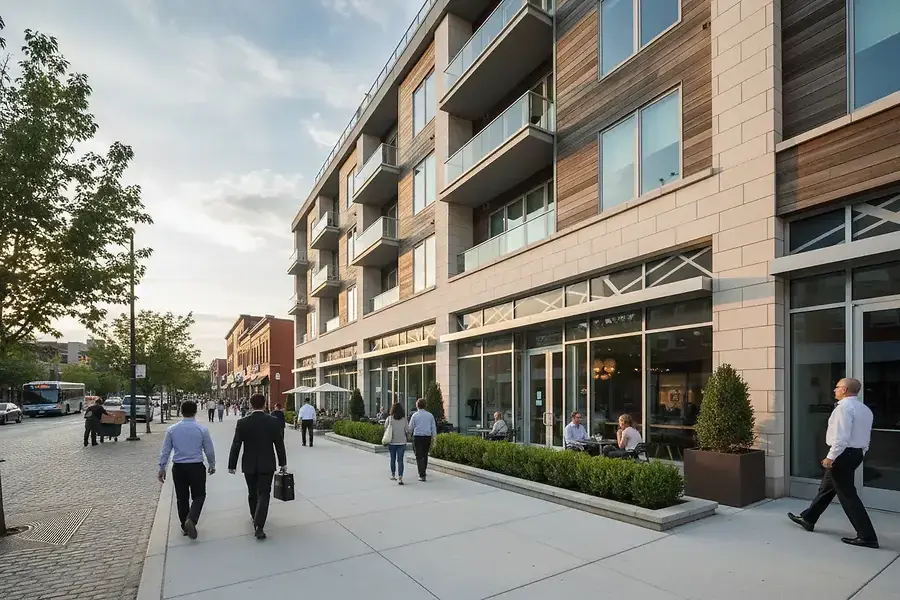
Understanding Residential-Commercial Hybrid Properties in New Jersey
New Jersey offers a unique real estate opportunity that many homeowners and investors overlook: residential-commercial hybrid properties. These properties blend the comfort of a primary residence with the income-generating potential of a commercial space, creating a versatile investment vehicle that works for both owner-occupants and savvy investors.
A residential-commercial hybrid property typically features a primary residential unit combined with a commercial or rental space. This could include a home with an attached office, a multi-family building with ground-floor retail, or a residence with an accessory dwelling unit (ADU) designed for rental income. New Jersey's progressive zoning laws make these arrangements more accessible than in many other states.
What Makes New Jersey Unique
New Jersey's zoning regulations have evolved to accommodate modern living and working arrangements. Many municipalities now permit mixed-use properties, allowing residents to operate home-based businesses, rent out portions of their properties, or lease commercial spaces within their residential buildings. This flexibility distinguishes New Jersey from more restrictive jurisdictions and creates compelling opportunities for property buyers.
Key Benefits: Income Generation and Investment Returns
Generating Passive Income
The primary advantage of residential-commercial hybrid properties is the ability to generate consistent rental or commercial income while maintaining your primary residence. Whether you're renting out an apartment, leasing office space, or operating a small business, this income stream can significantly offset your mortgage payments and property expenses.
- Rental Income: Lease residential units to tenants and create a steady monthly cash flow
- Commercial Leasing: Rent retail or office space to local businesses at premium rates
- Home-Based Business: Operate your own business from a dedicated commercial space within your property
- Flexible Arrangements: Adjust your income strategy as market conditions and personal circumstances change
Long-Term Investment Returns
Beyond immediate income generation, hybrid properties offer substantial long-term appreciation potential. As New Jersey's real estate market continues to grow and urban areas expand, properties with mixed-use potential tend to appreciate faster than traditional single-family homes. Additionally, the income-generating aspect makes these properties attractive to future buyers, potentially increasing resale value.
Tax Advantages: Property owners can deduct business expenses, depreciation, and mortgage interest related to the commercial portion of their property, reducing their overall tax burden.
Finding the Right Property: Location and Zoning Considerations
Zoning Research is Essential
Before purchasing any residential-commercial hybrid property, thorough zoning research is critical. Not all New Jersey municipalities permit mixed-use properties, and regulations vary significantly by location. Work with a real estate attorney or agent familiar with local zoning ordinances to verify that your intended use is permitted.
Key questions to ask:
- Does the municipality allow residential-commercial hybrid properties?
- What specific commercial uses are permitted?
- Are there restrictions on the percentage of commercial space?
- What permits and licenses are required?
- Are there occupancy limits or operational restrictions?
Location Matters
The success of your hybrid property depends heavily on location. Properties near commercial districts, transit hubs, or downtown areas tend to command higher rental rates and attract quality tenants. Consider foot traffic, parking availability, neighborhood demographics, and proximity to amenities when evaluating potential properties.
Urban and suburban areas throughout New Jersey—including cities like Newark, Jersey City, and Hoboken—have increasingly embraced mixed-use development, making them ideal markets for hybrid property investments.
Property Condition and Adaptability
Evaluate whether the property can be easily adapted for your intended use. Properties with separate entrances, utilities, and spaces are ideal for hybrid arrangements. Consider renovation costs if modifications are needed to create distinct residential and commercial areas. A property inspector familiar with mixed-use buildings can provide valuable insights into potential challenges and expenses.
Making Your Investment Decision: Next Steps for Buyers
Conduct Thorough Due Diligence
Before committing to a residential-commercial hybrid property, perform comprehensive due diligence:
- Verify Zoning Compliance: Obtain written confirmation from the municipal zoning office that your intended use is permitted
- Review Property Records: Check for any code violations, liens, or restrictions on the property
- Analyze Market Rental Rates: Research comparable properties to ensure your income projections are realistic
- Inspect Utilities: Confirm that utilities can be separately metered or divided appropriately
- Evaluate Insurance Needs: Consult with an insurance agent about coverage for mixed-use properties
Financial Planning and Projections
Create detailed financial projections that account for all expenses and potential income. Factor in mortgage payments, property taxes, insurance, maintenance, utilities, vacancy rates, and property management costs. A realistic financial model will help you determine whether the property meets your investment goals and provides adequate cash flow.
Pro Tip: Conservative investors typically assume a 5-10% vacancy rate when projecting rental income, ensuring they're prepared for periods when units are unoccupied.
Assemble Your Team
Successfully navigating the residential-commercial hybrid property market requires expert guidance. Build a team that includes:
- A real estate agent experienced with mixed-use properties
- A real estate attorney familiar with New Jersey zoning laws
- A property inspector with mixed-use experience
- An accountant or tax professional specializing in rental properties
- An insurance agent knowledgeable about commercial coverage
Take Action
Once you've identified a promising property and completed your due diligence, move forward with confidence. New Jersey's residential-commercial hybrid properties represent an excellent opportunity to build wealth while enjoying the benefits of homeownership. Whether you're seeking passive income, long-term appreciation, or the flexibility to operate your own business, these unique properties can help you achieve your financial goals.
Start your search today and discover how a residential-commercial hybrid property can transform your real estate investment strategy.